





Day Packs


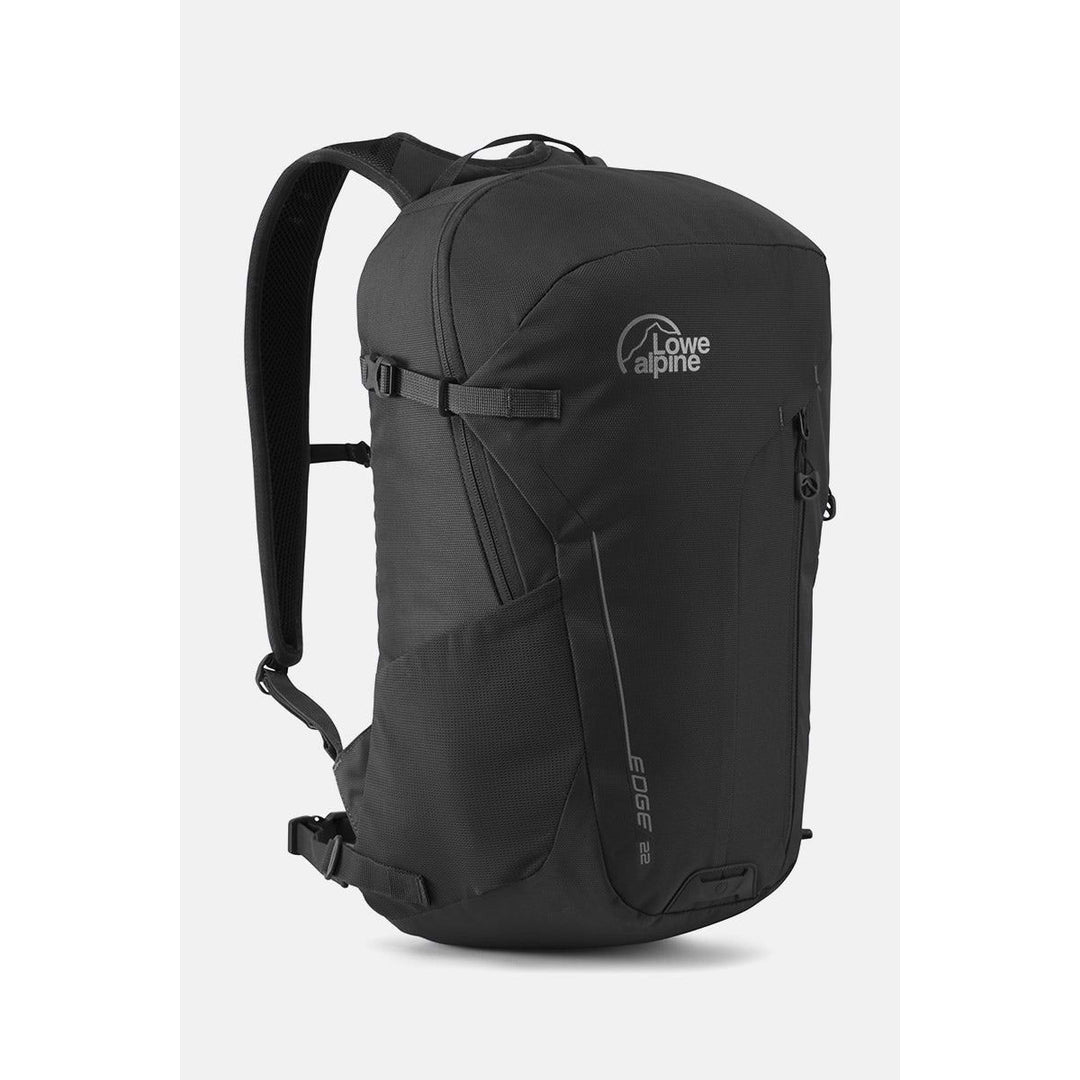
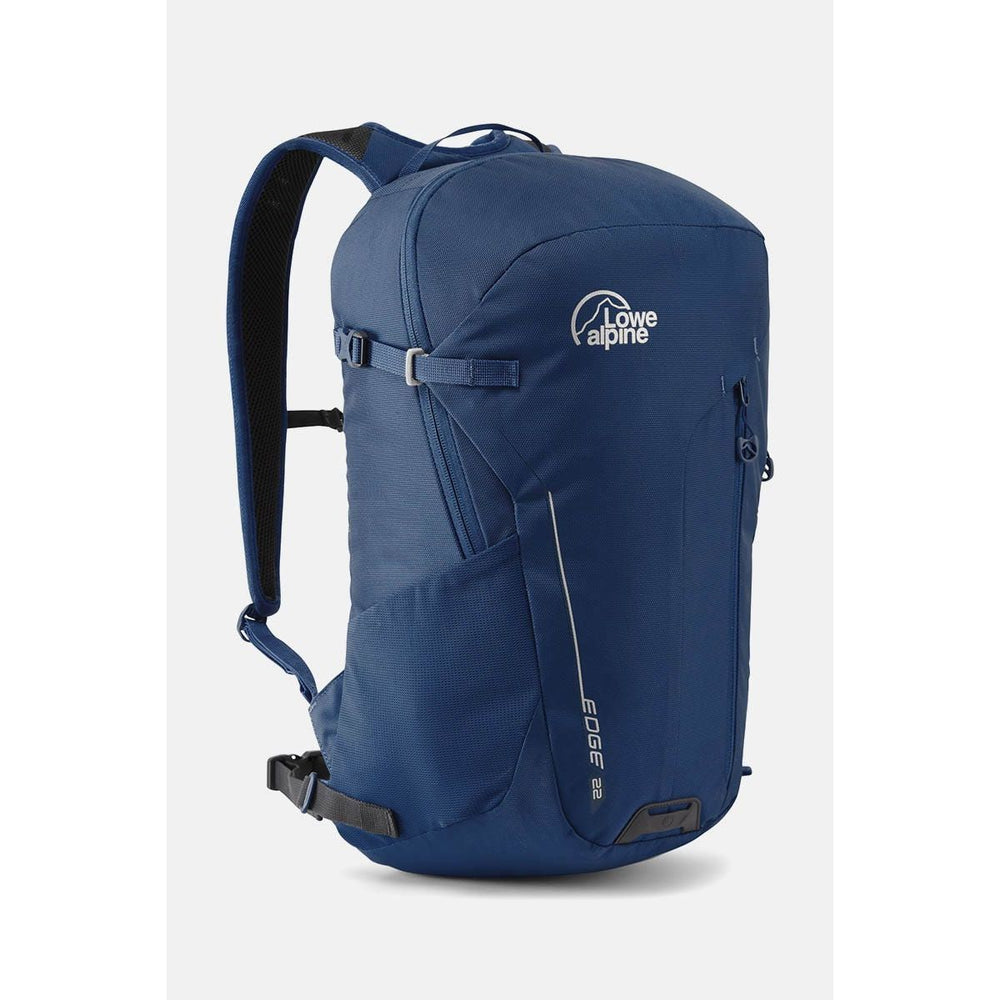
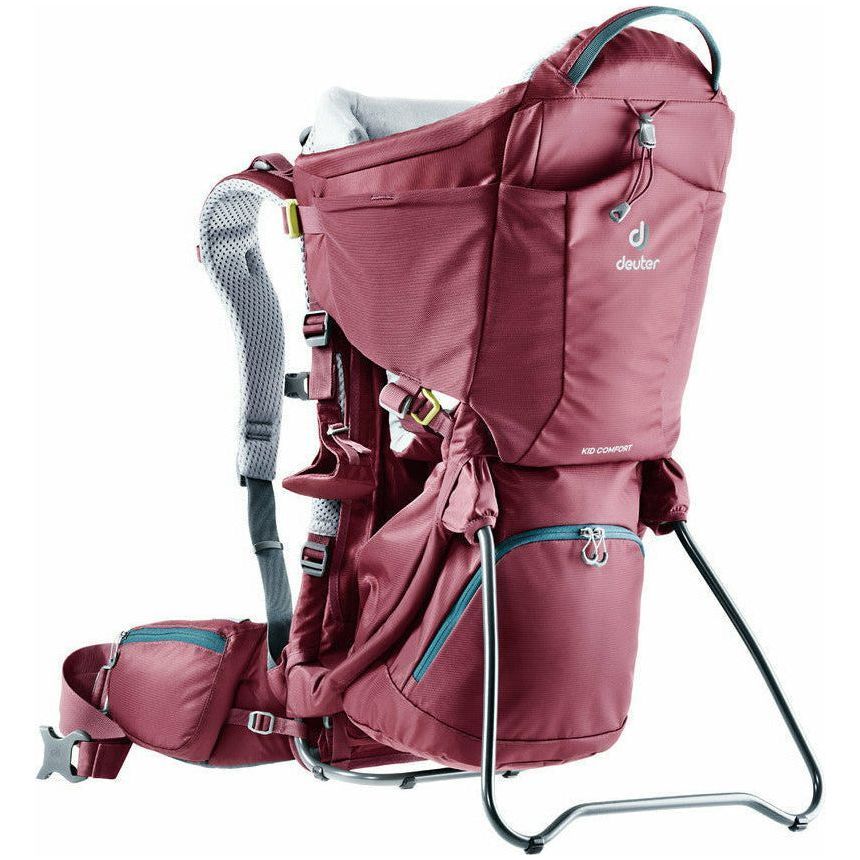
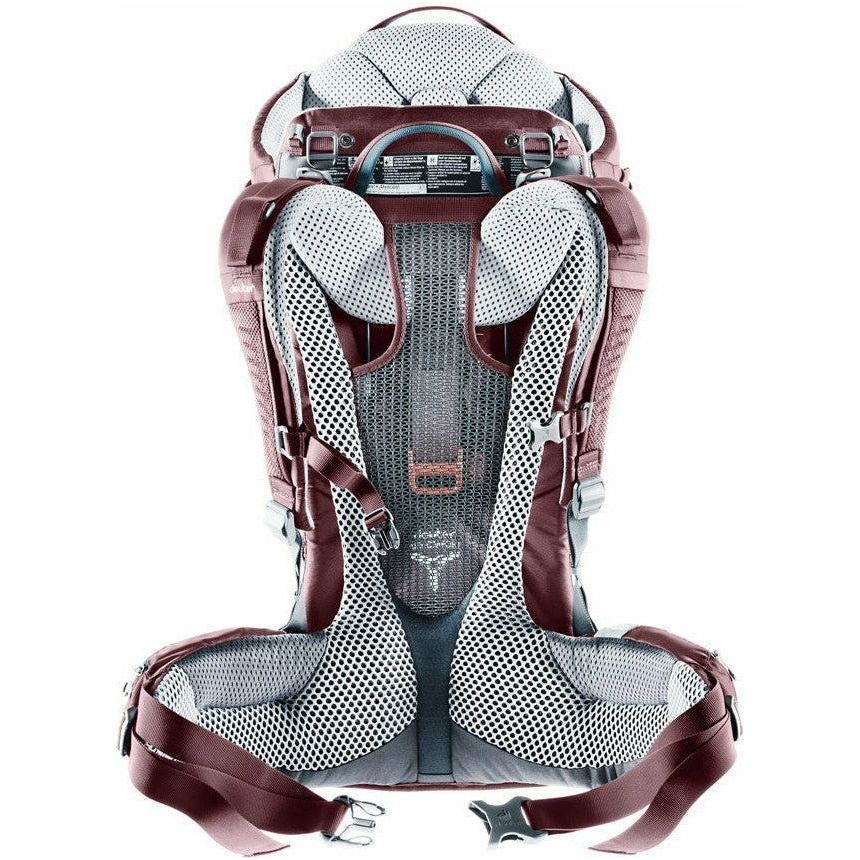
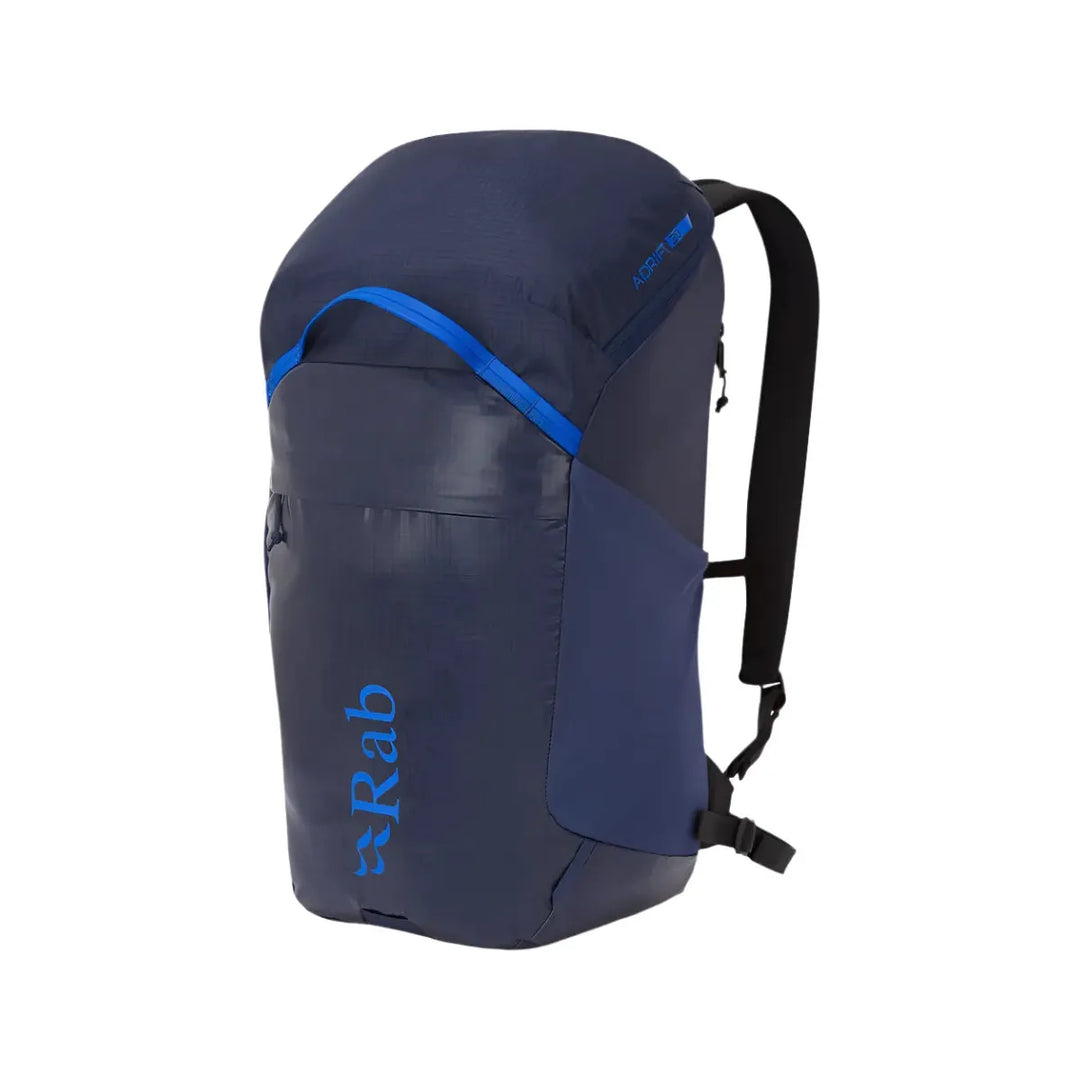
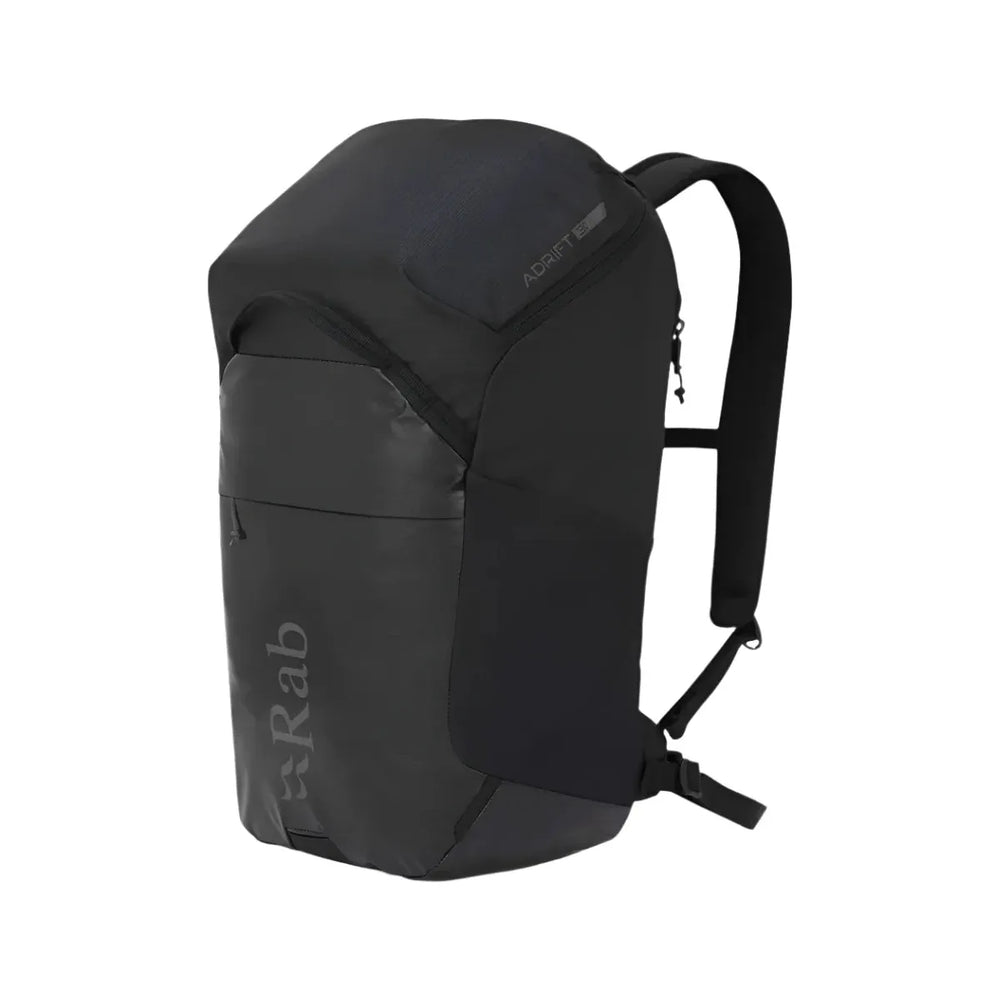
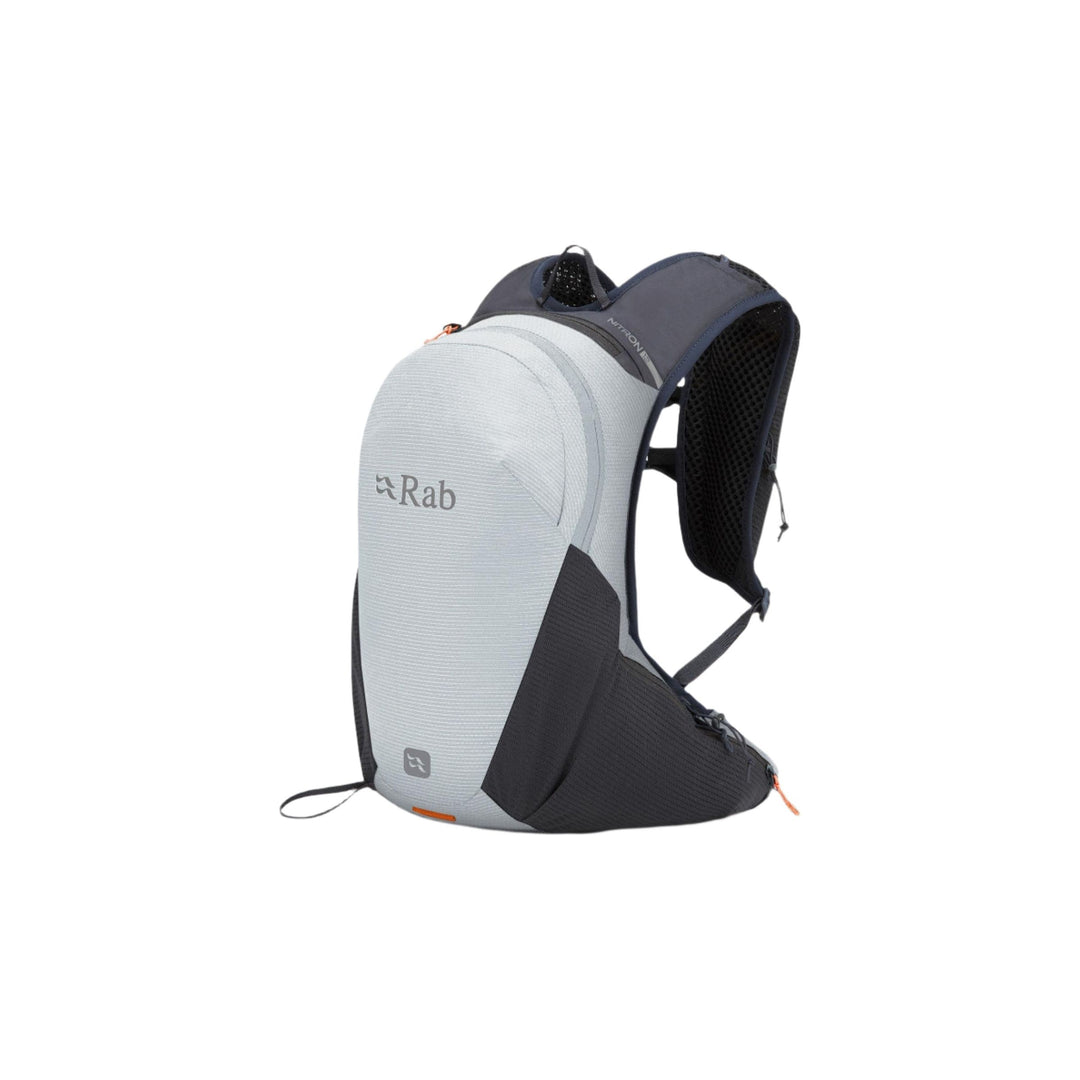

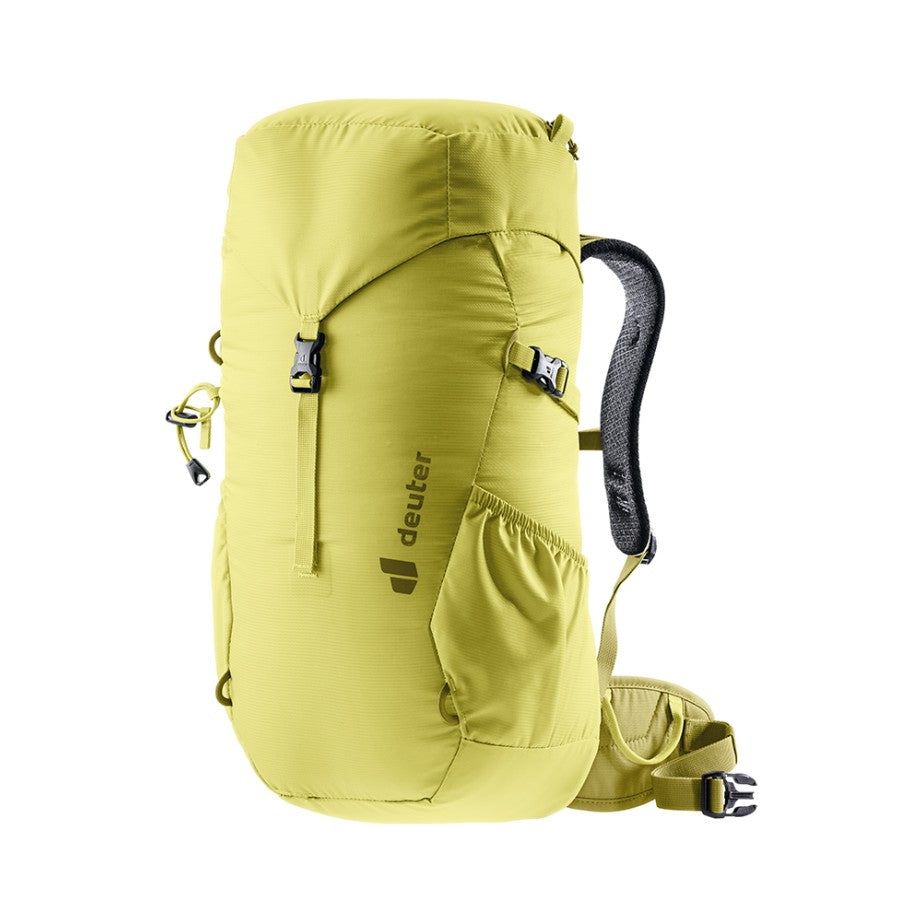
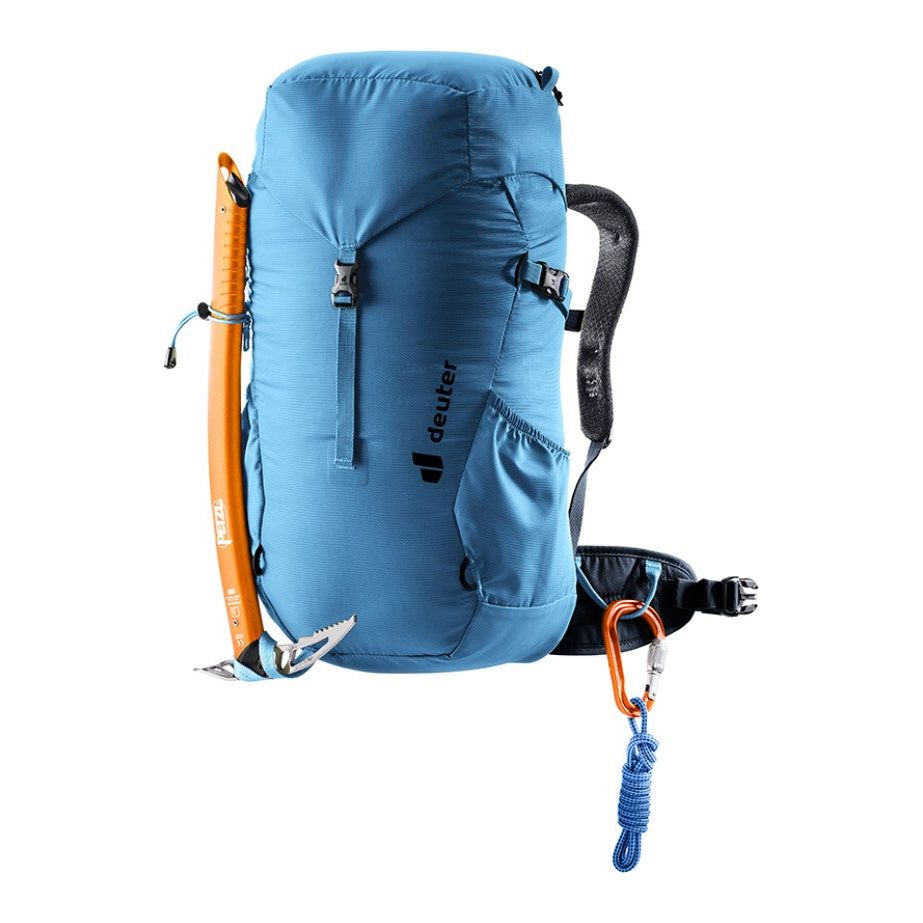
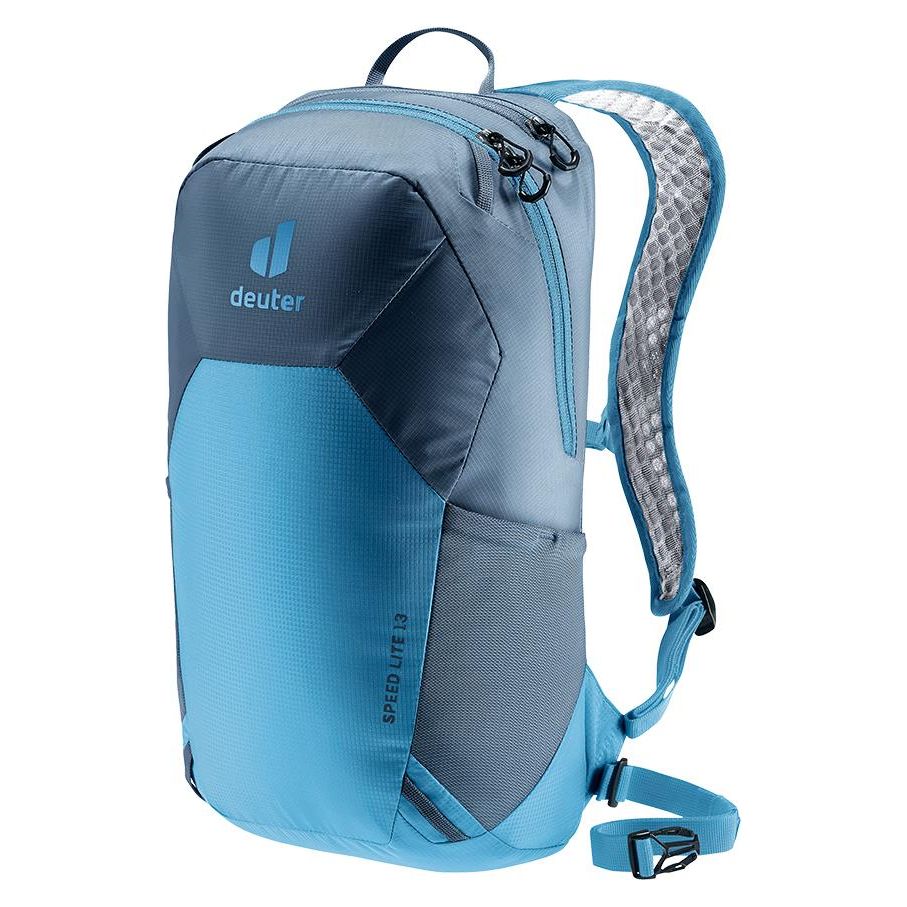
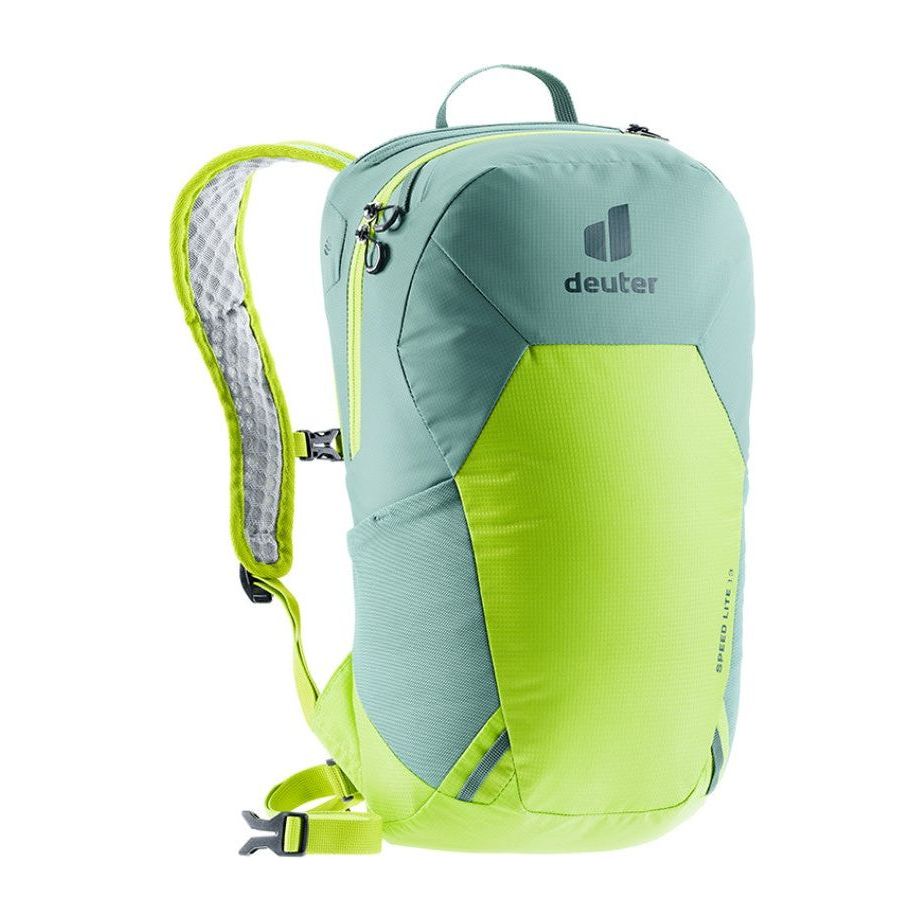


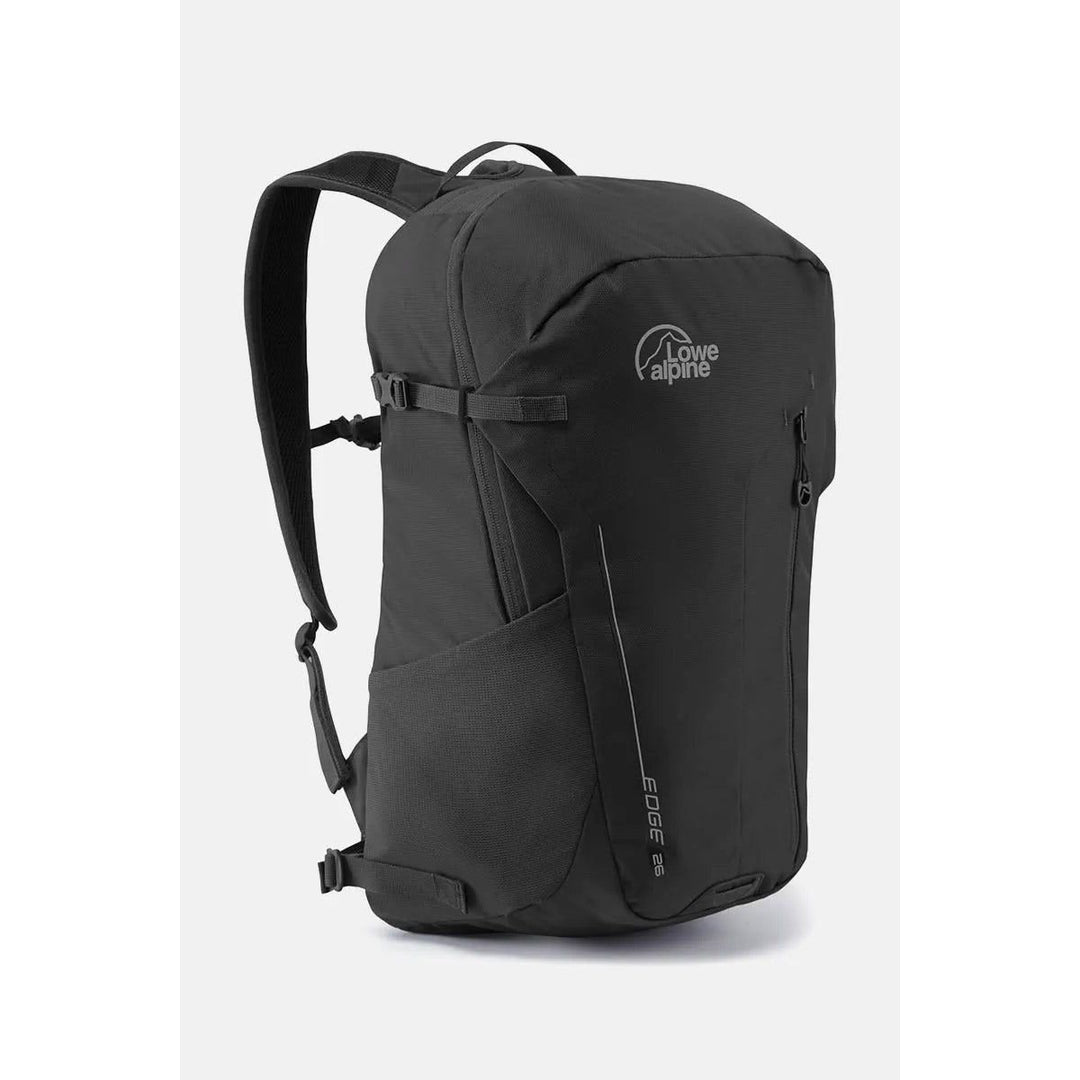
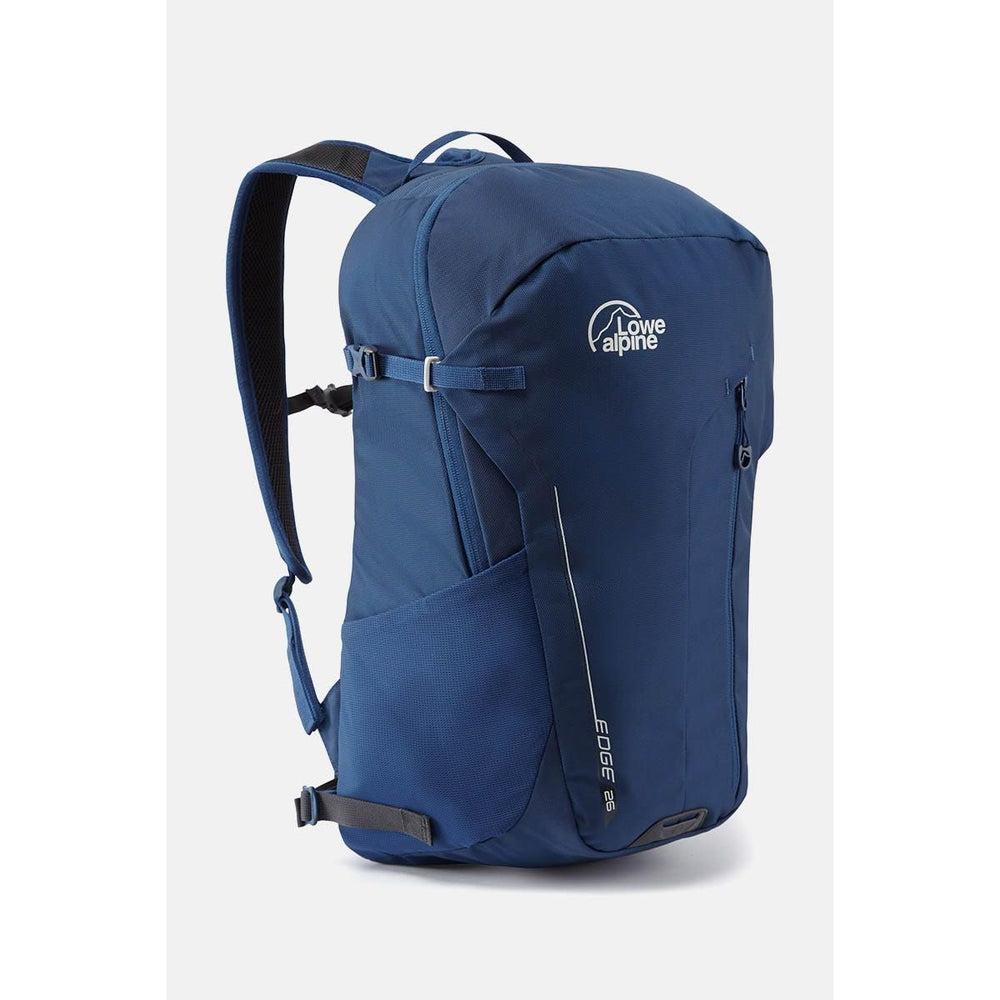
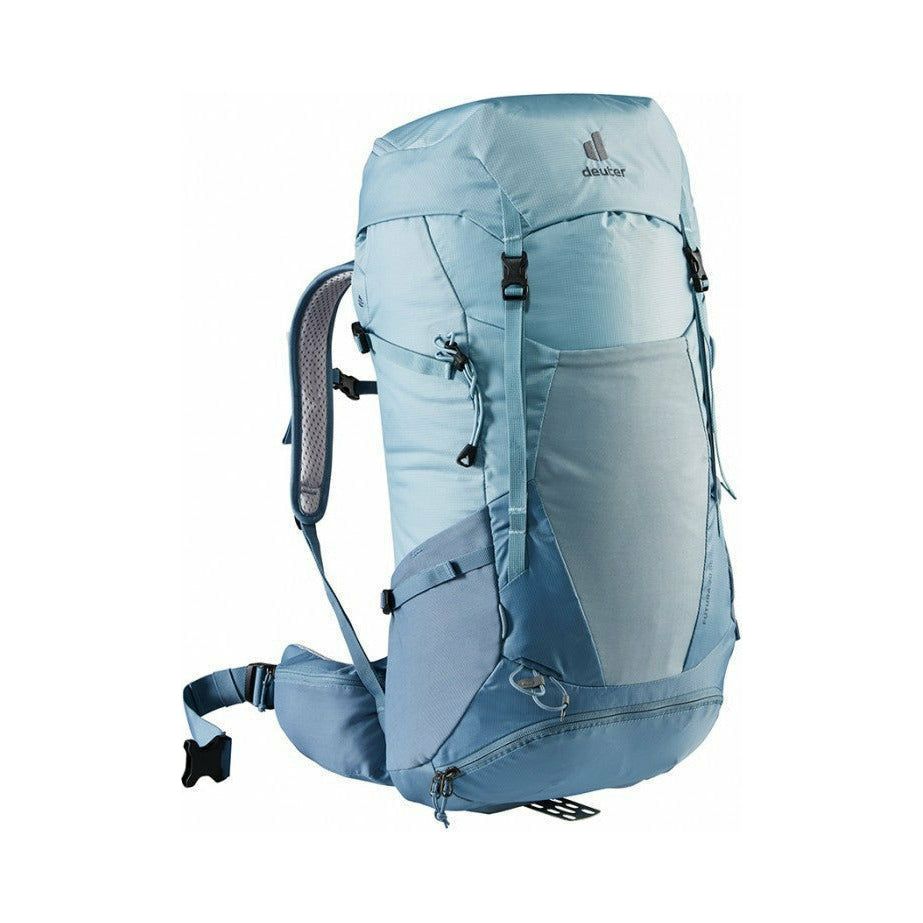
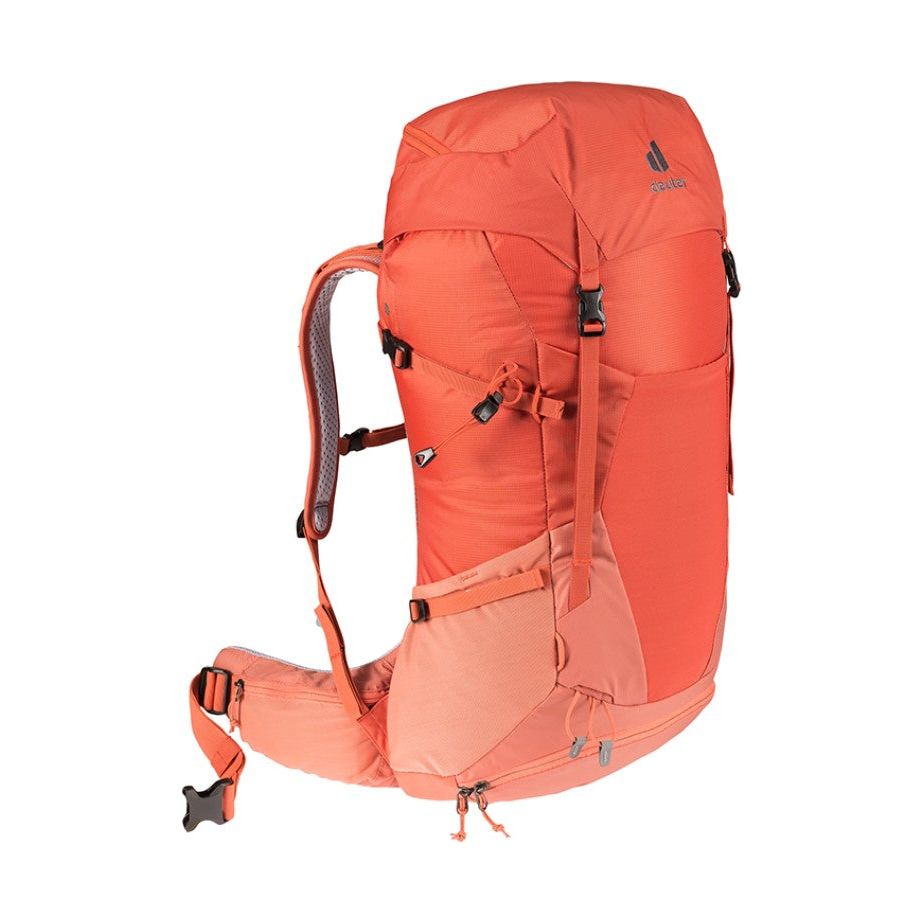
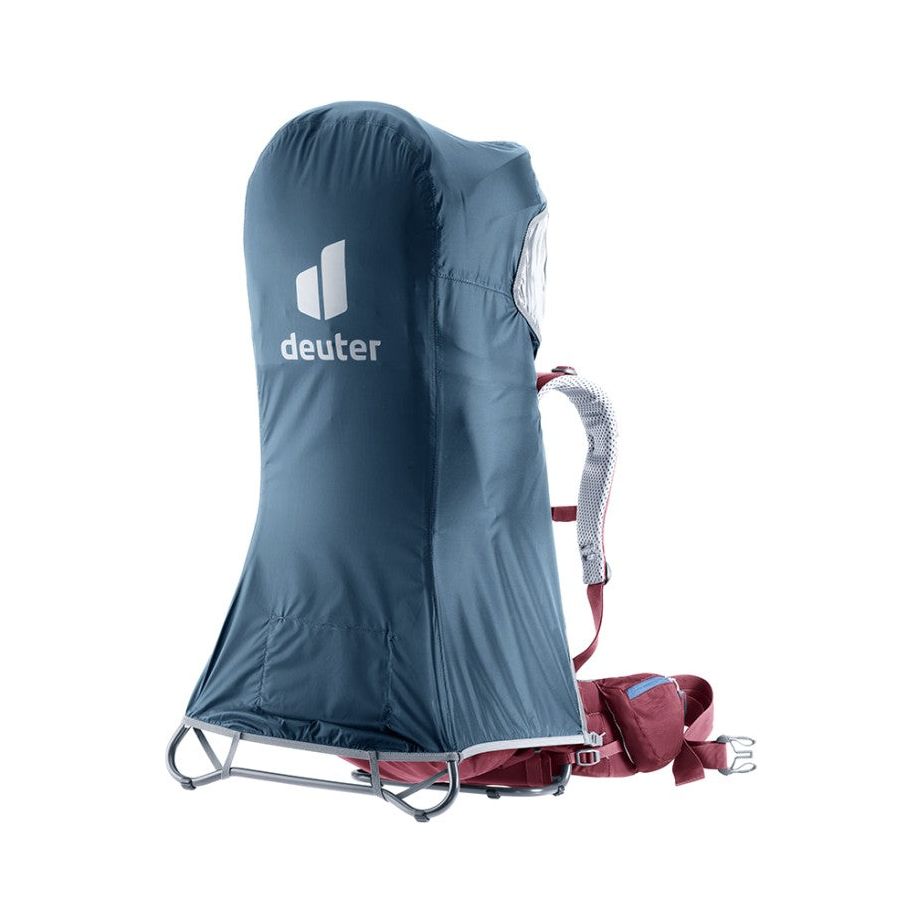
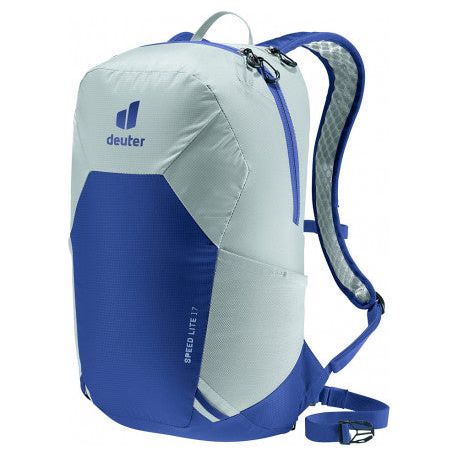
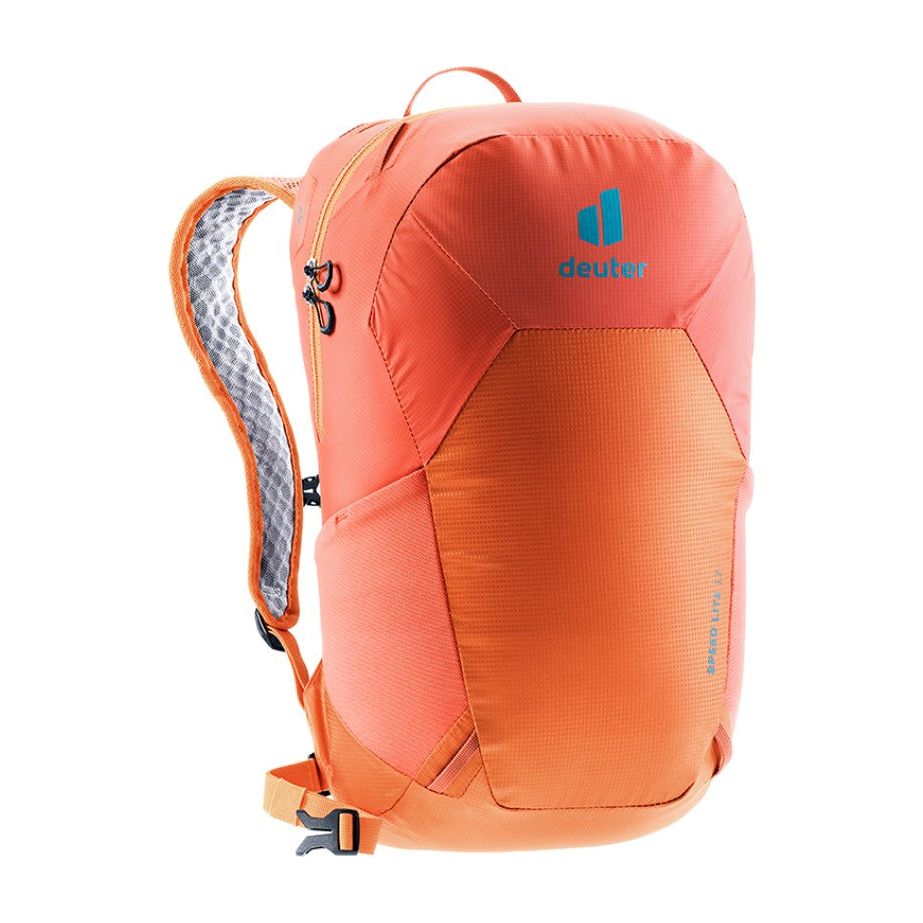
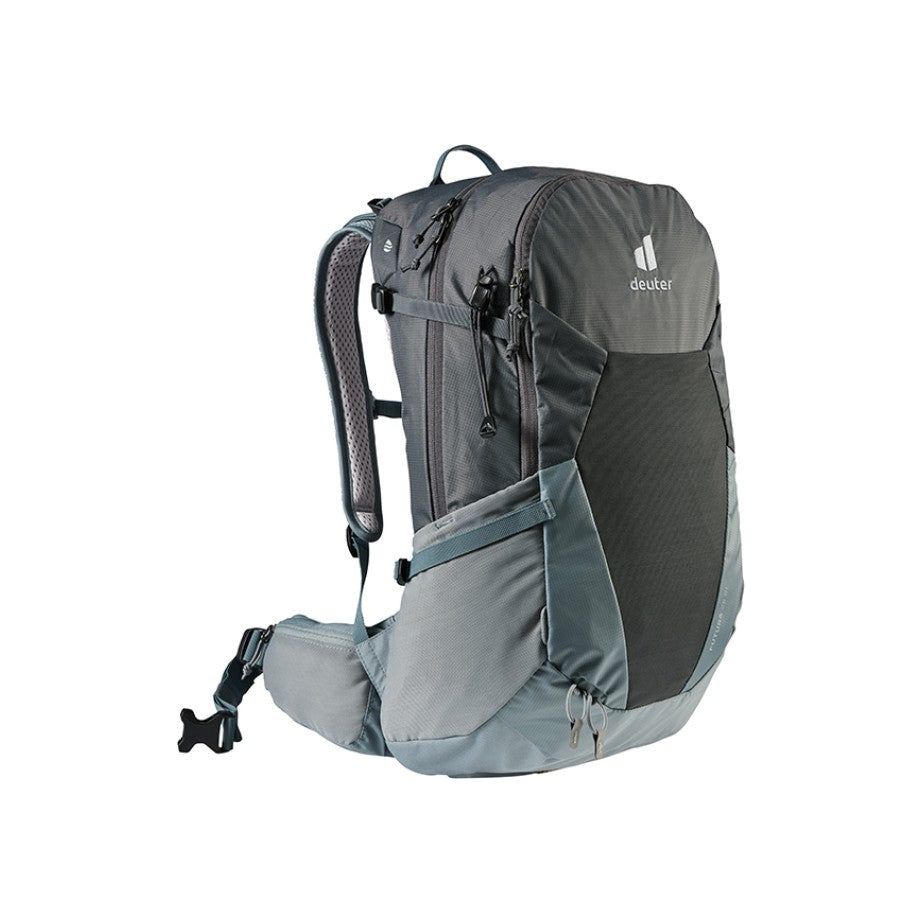
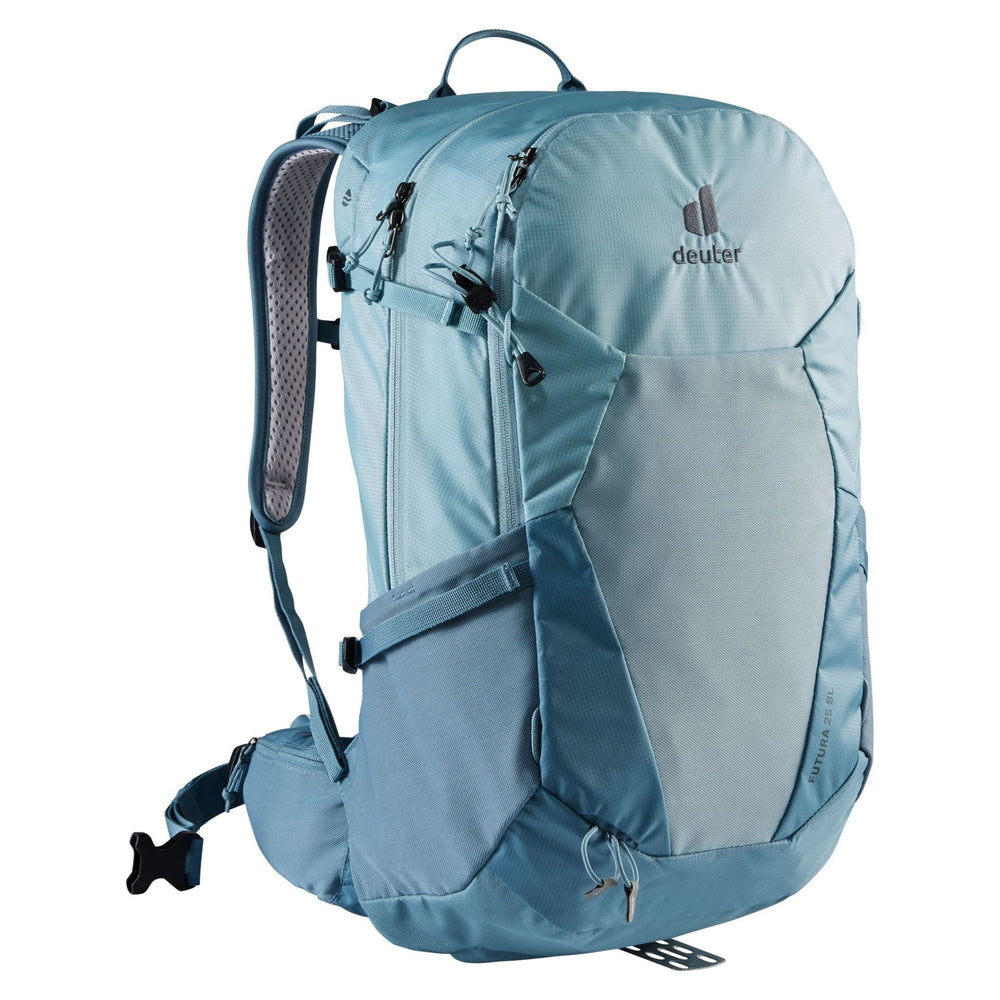


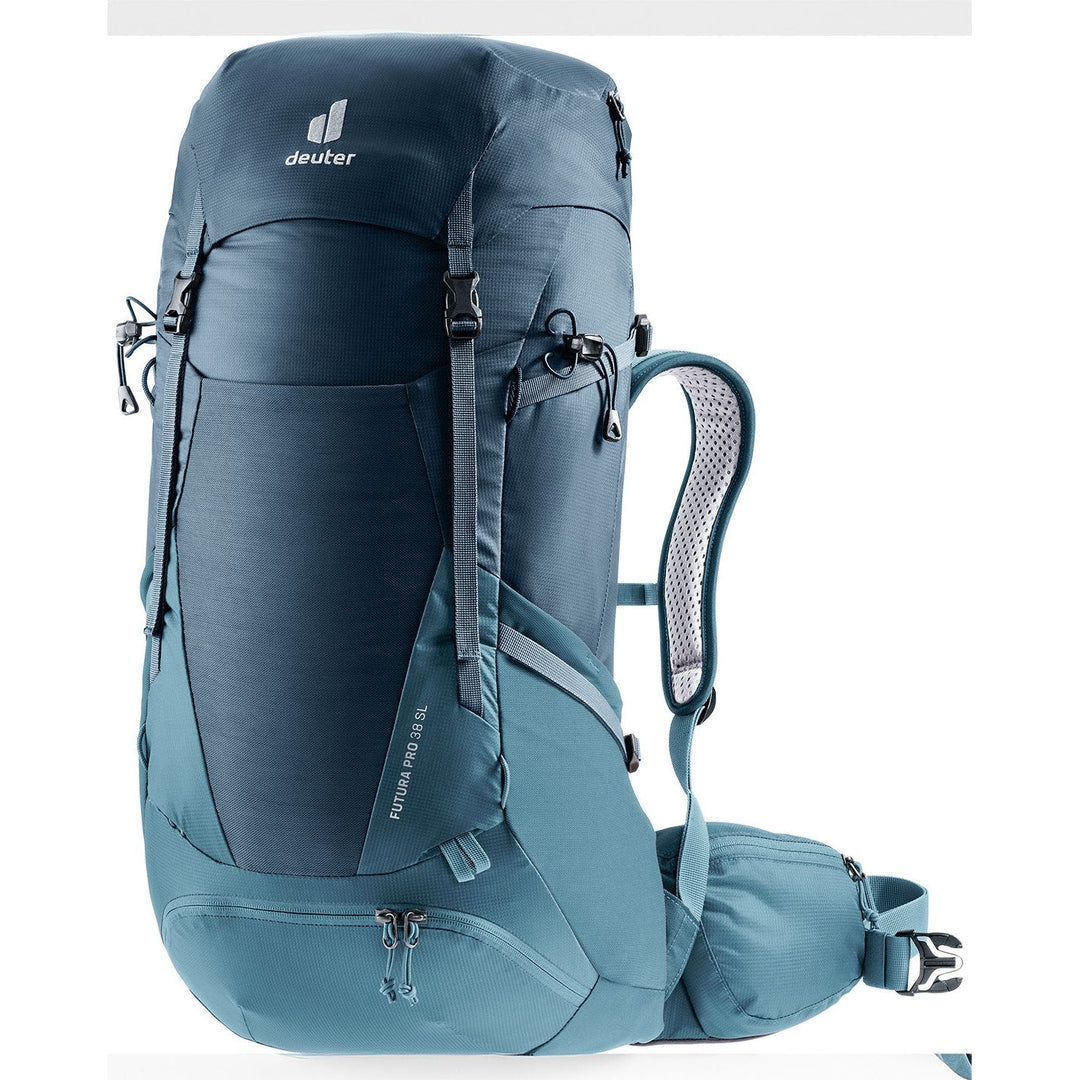
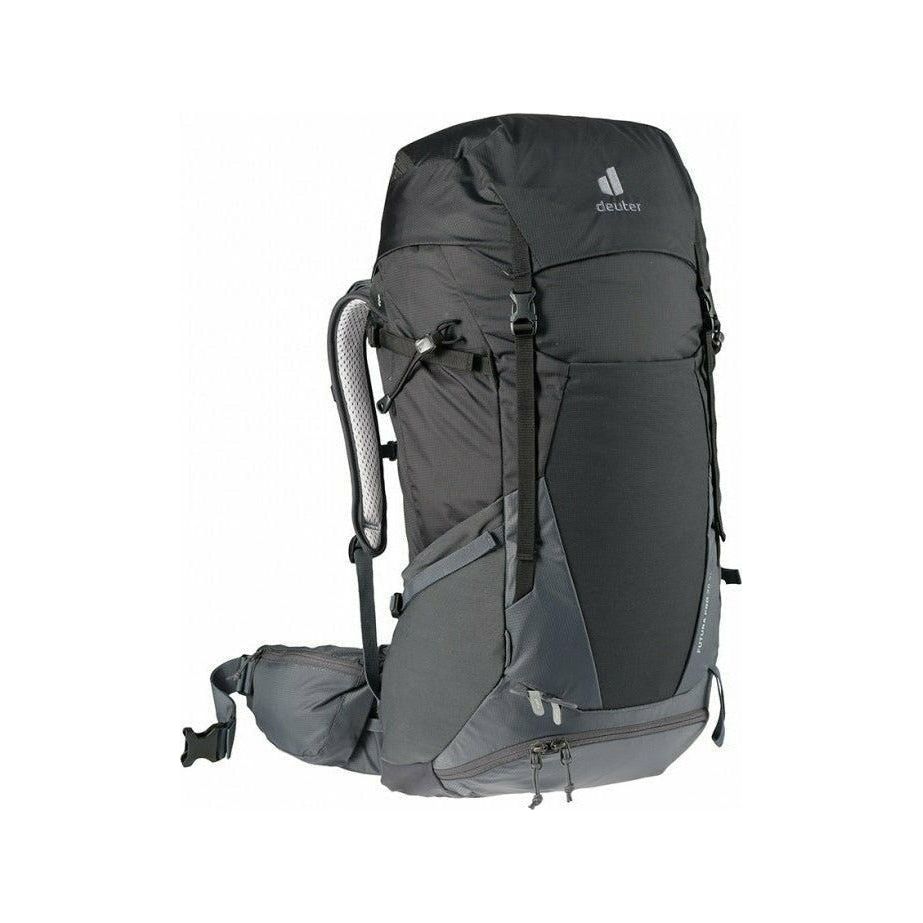
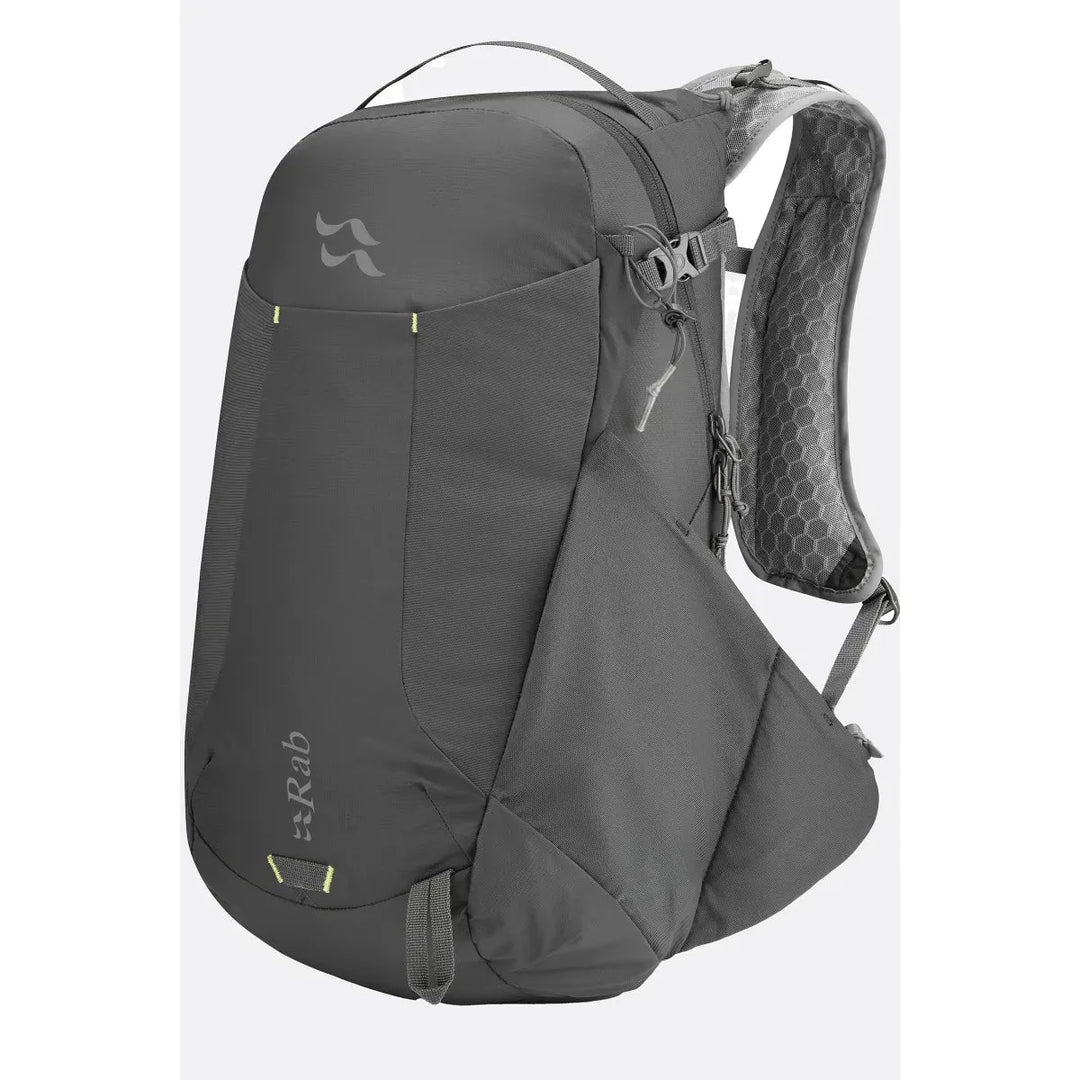
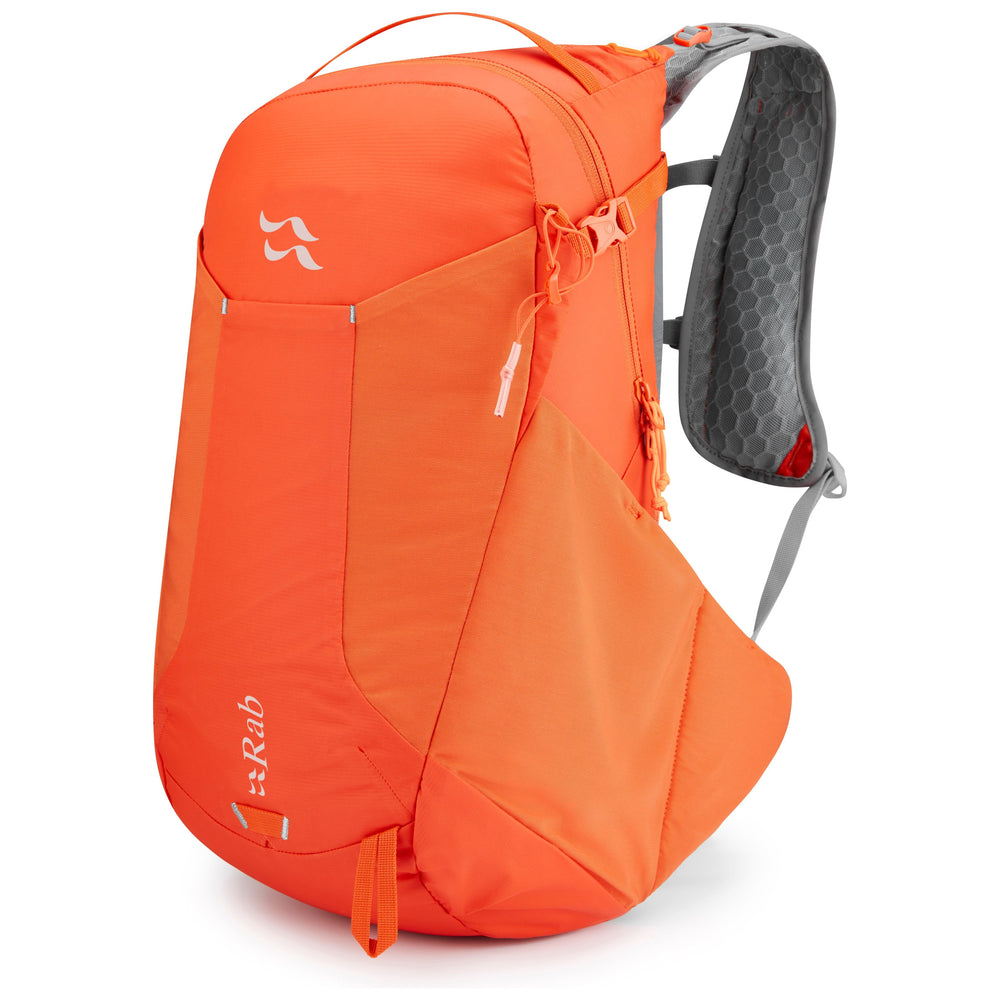
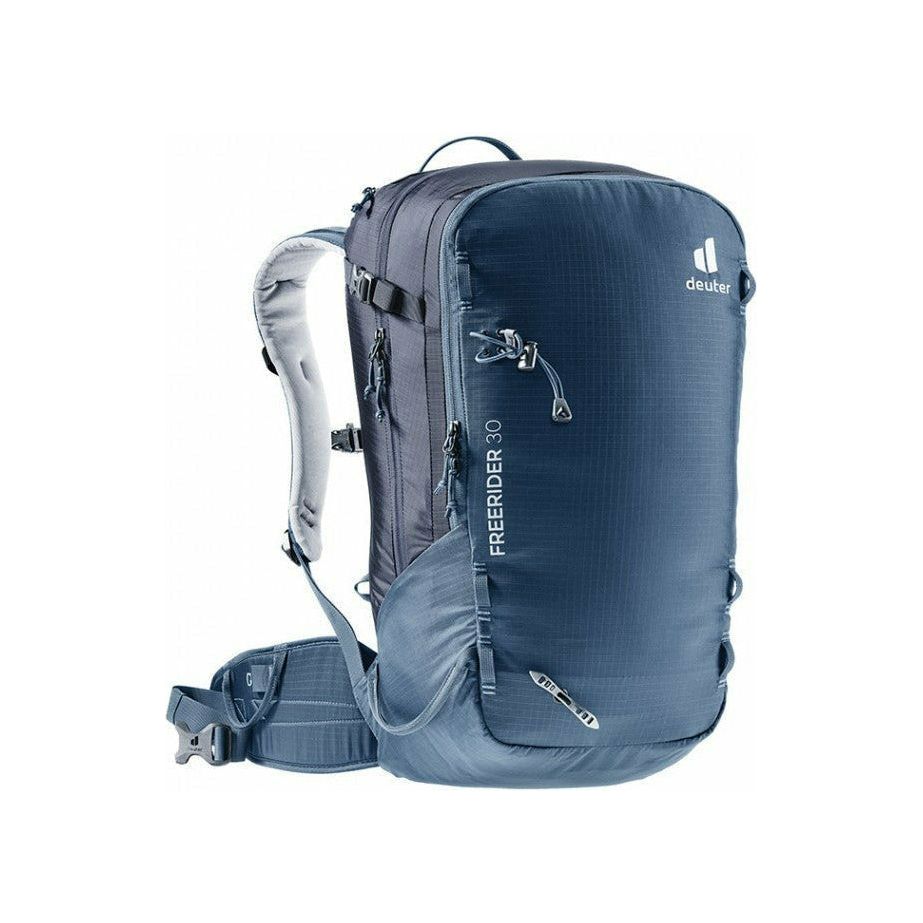
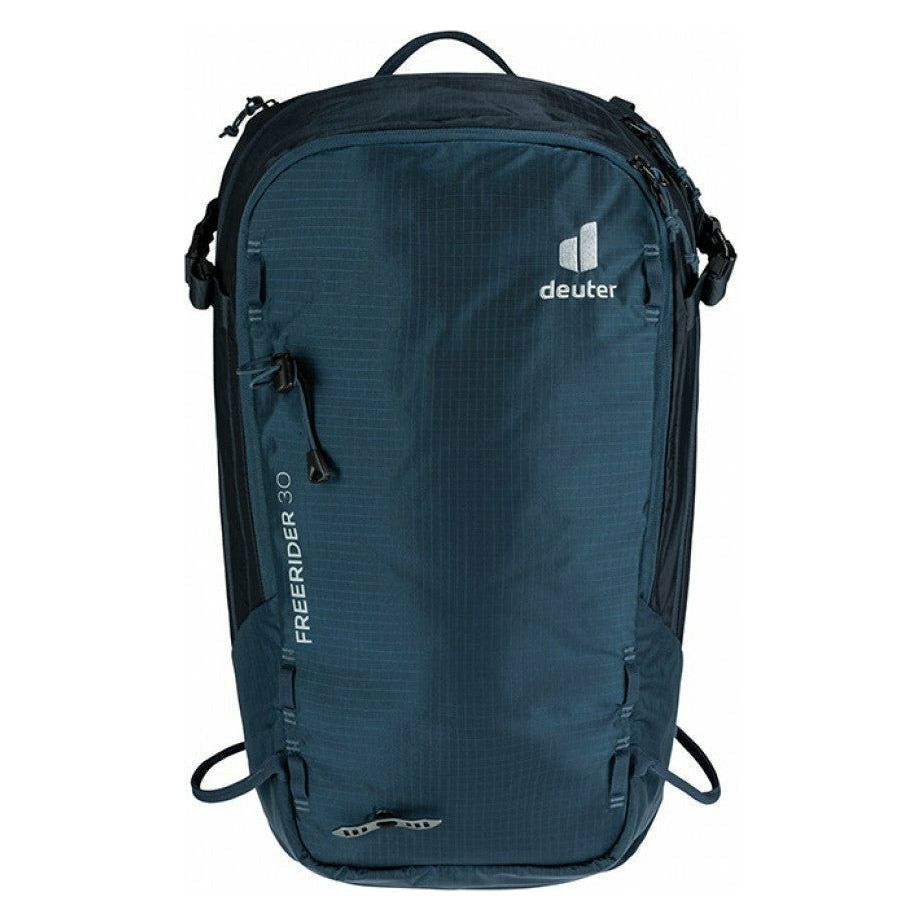
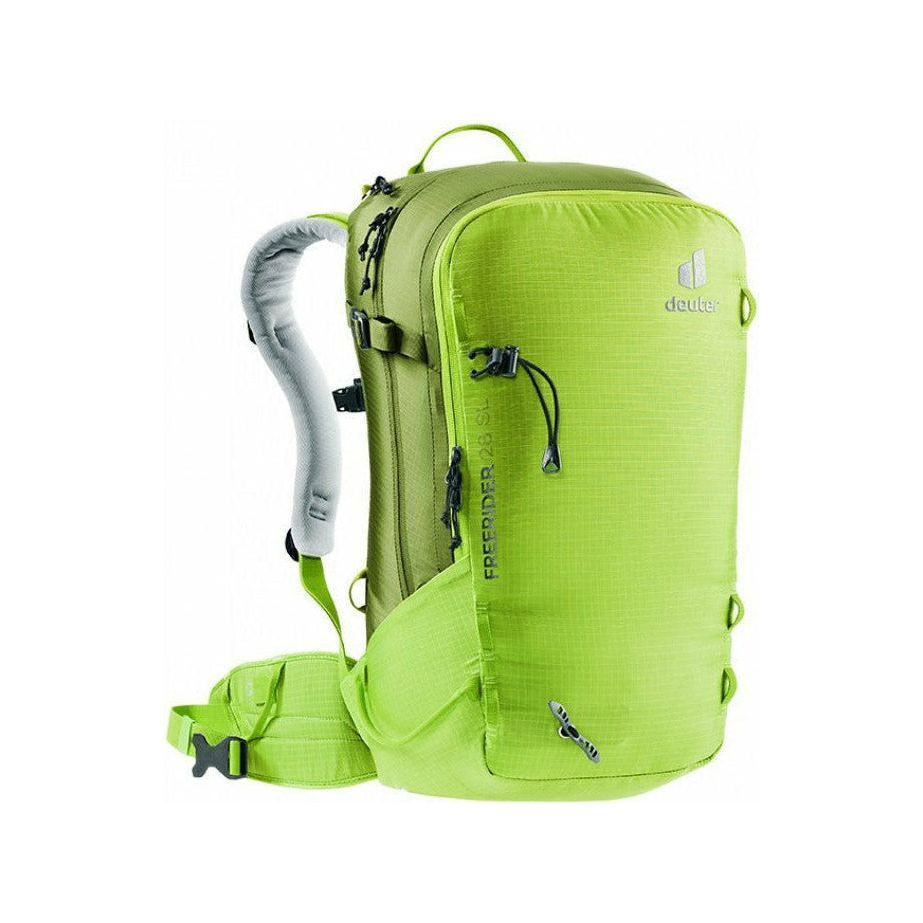
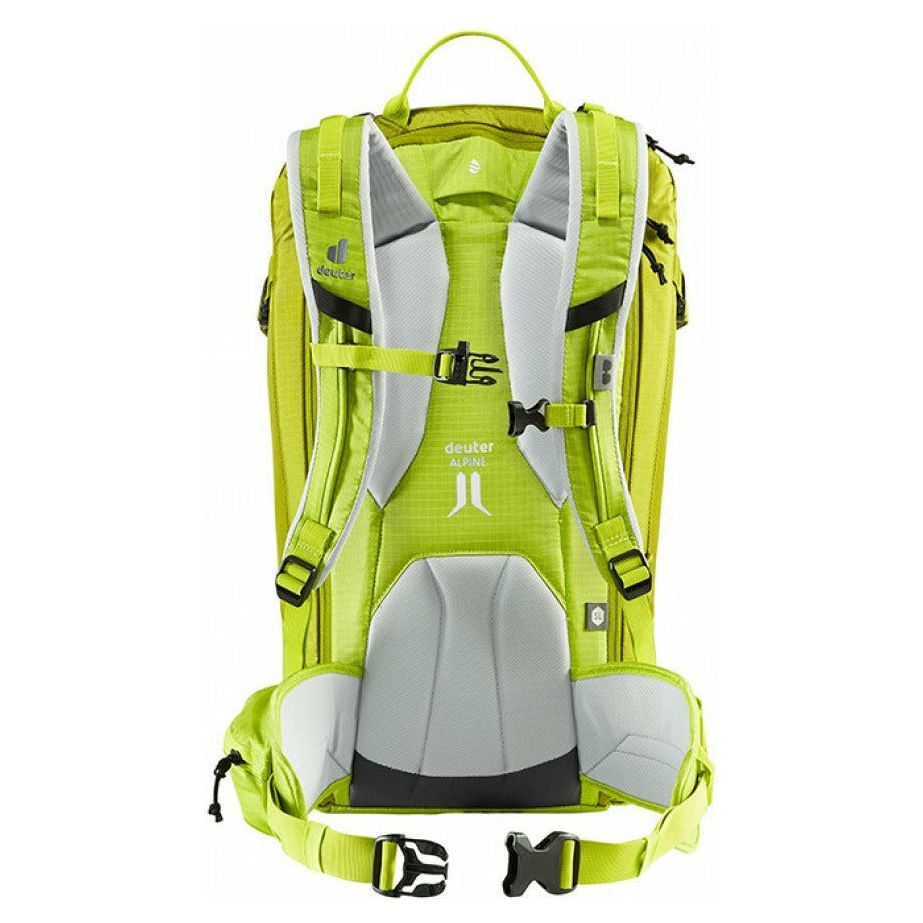
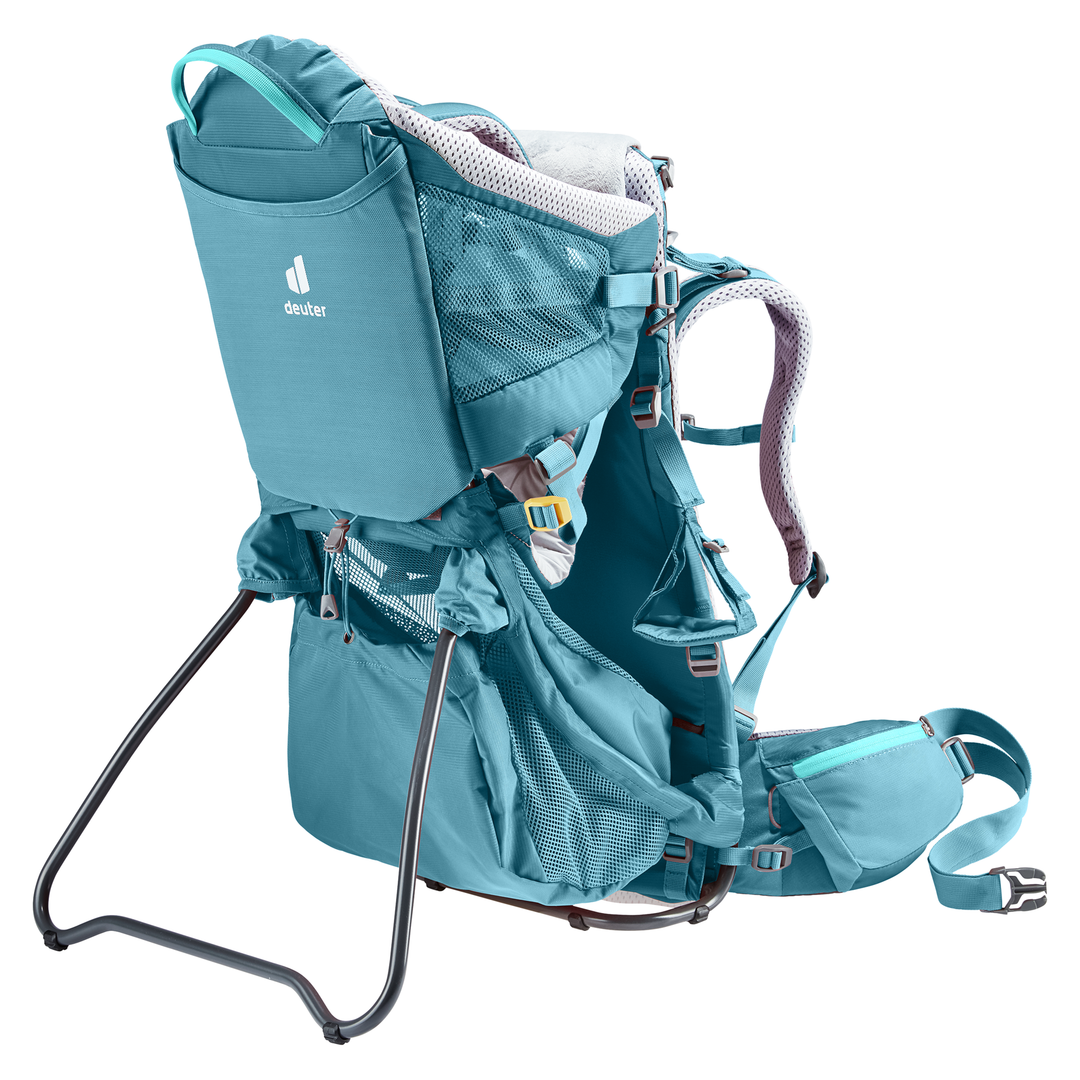
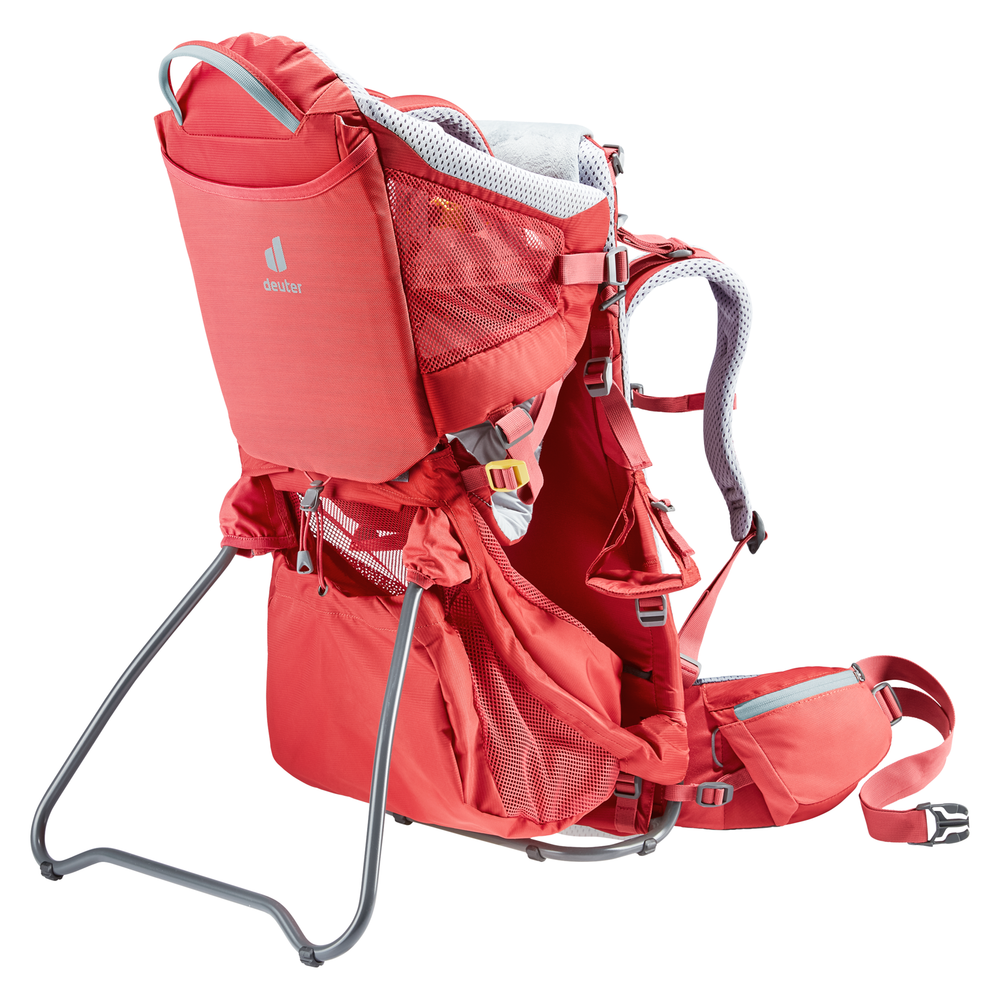
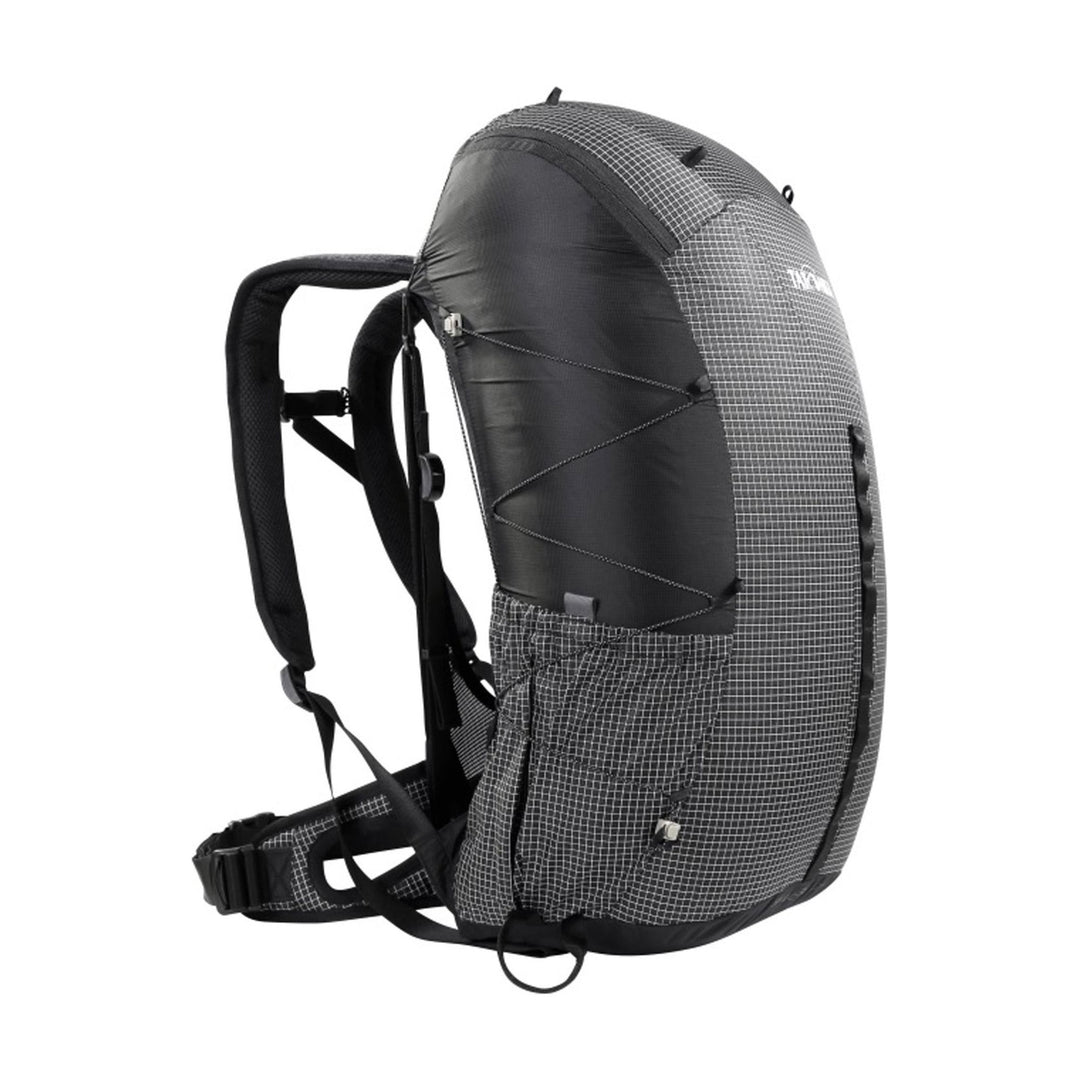
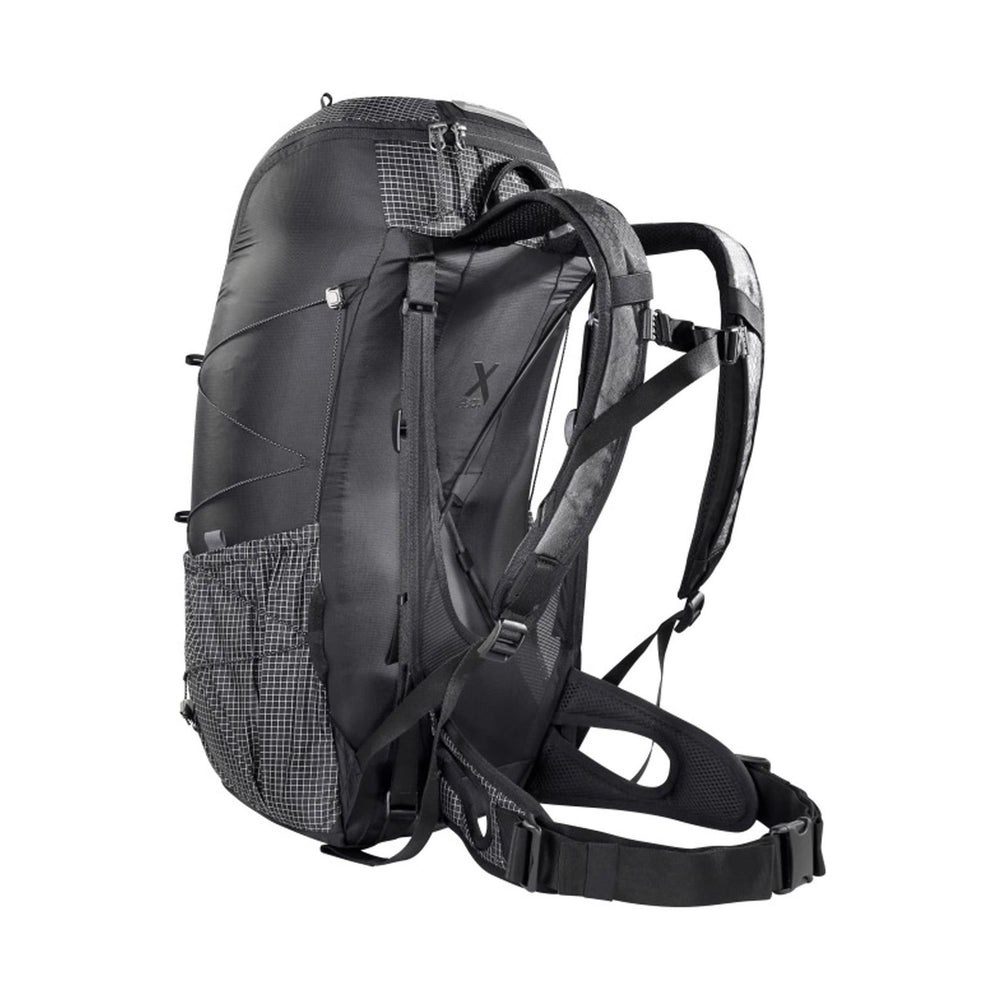
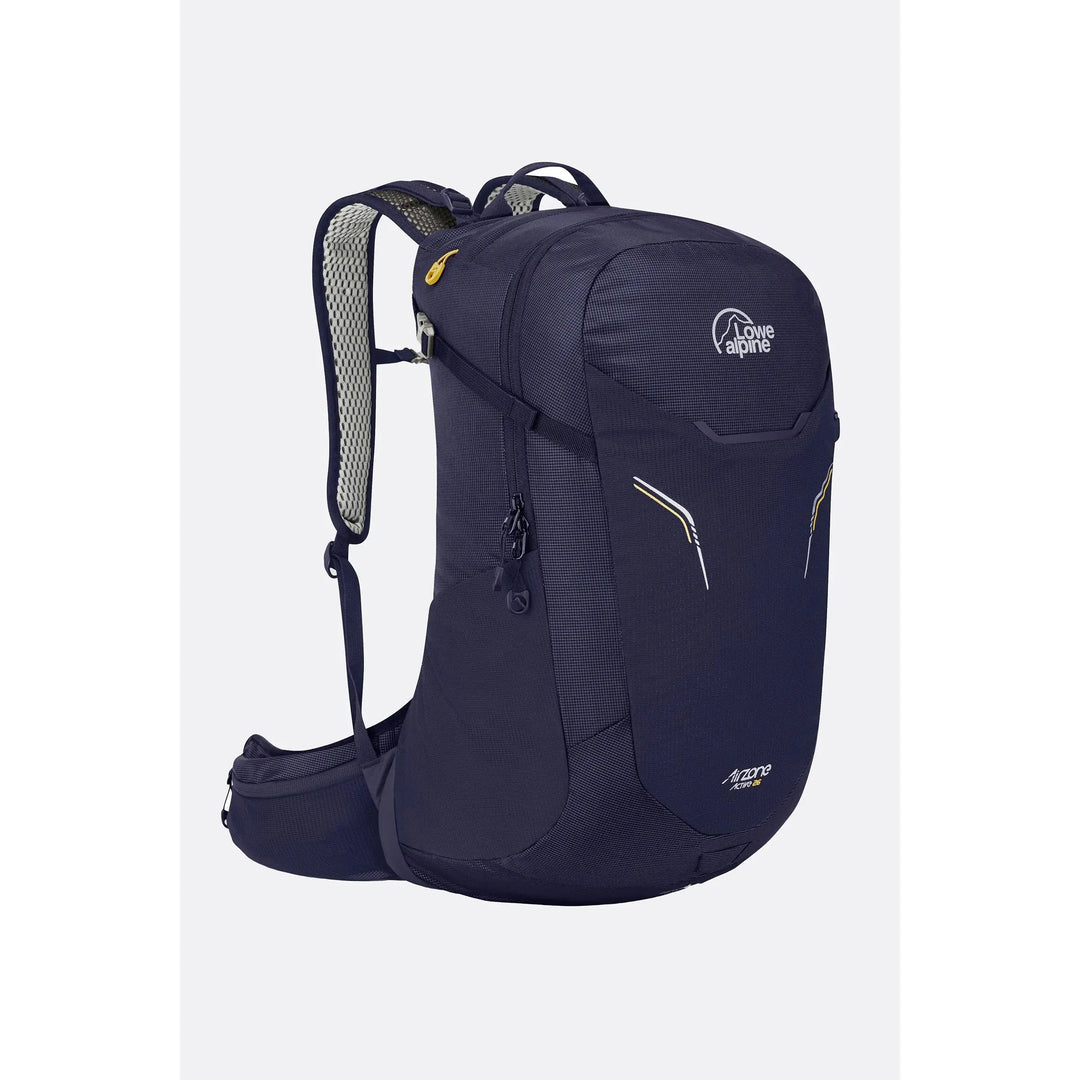
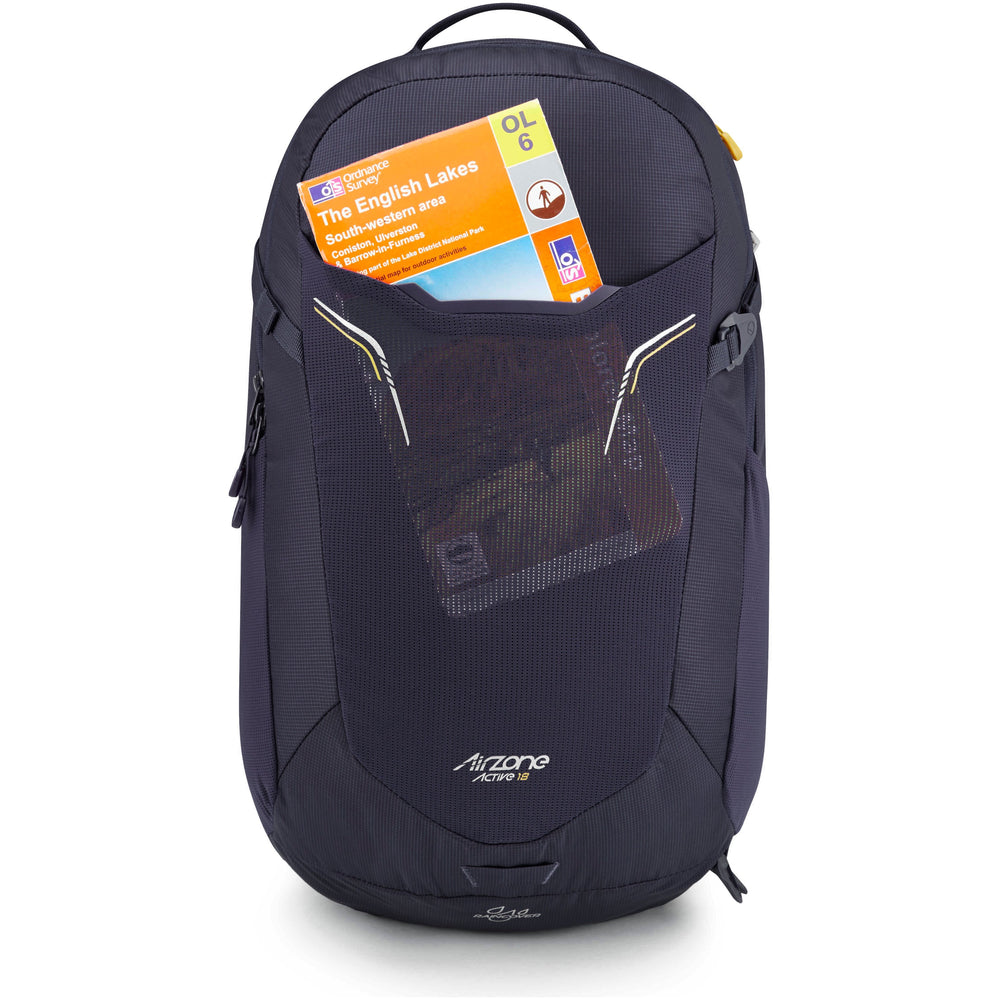
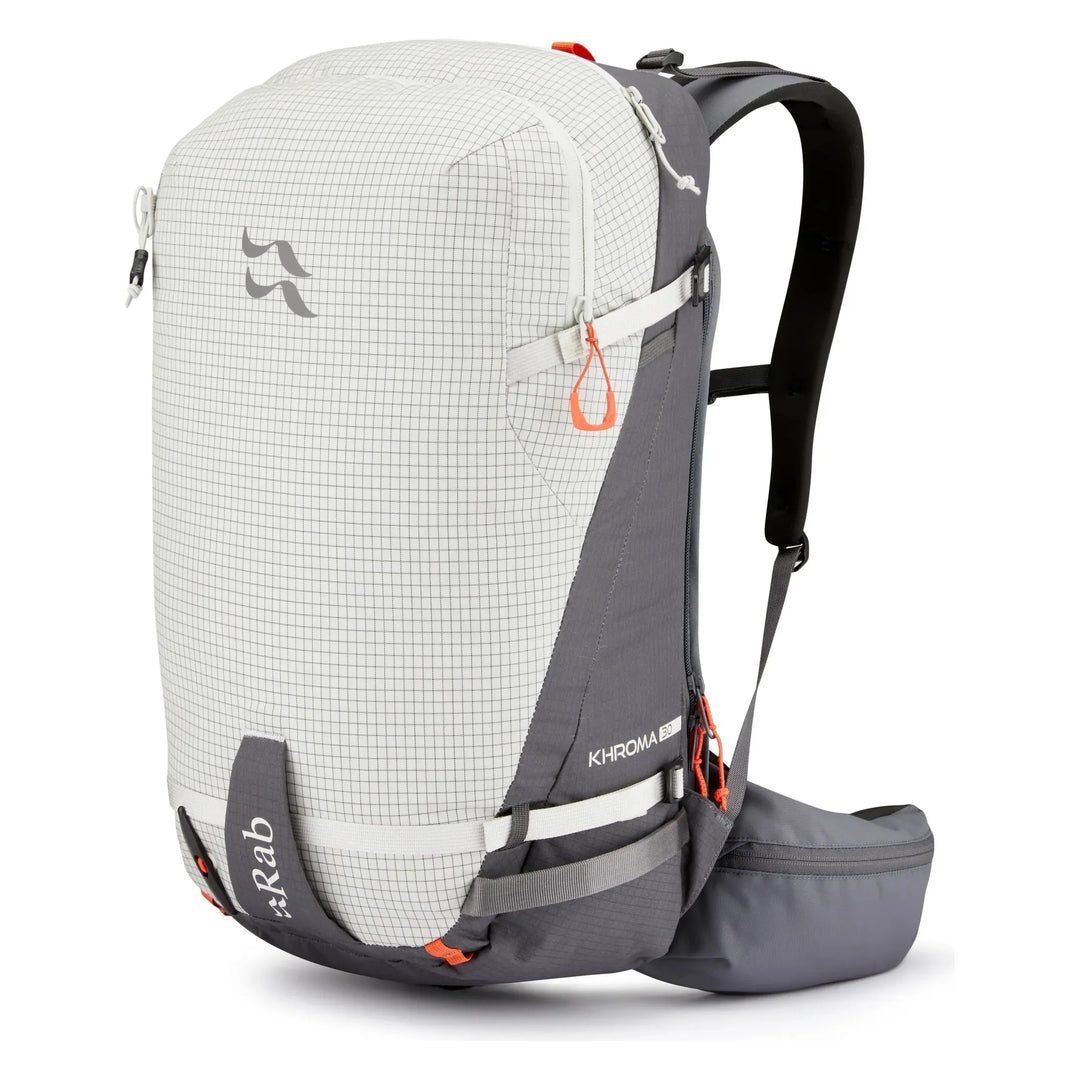
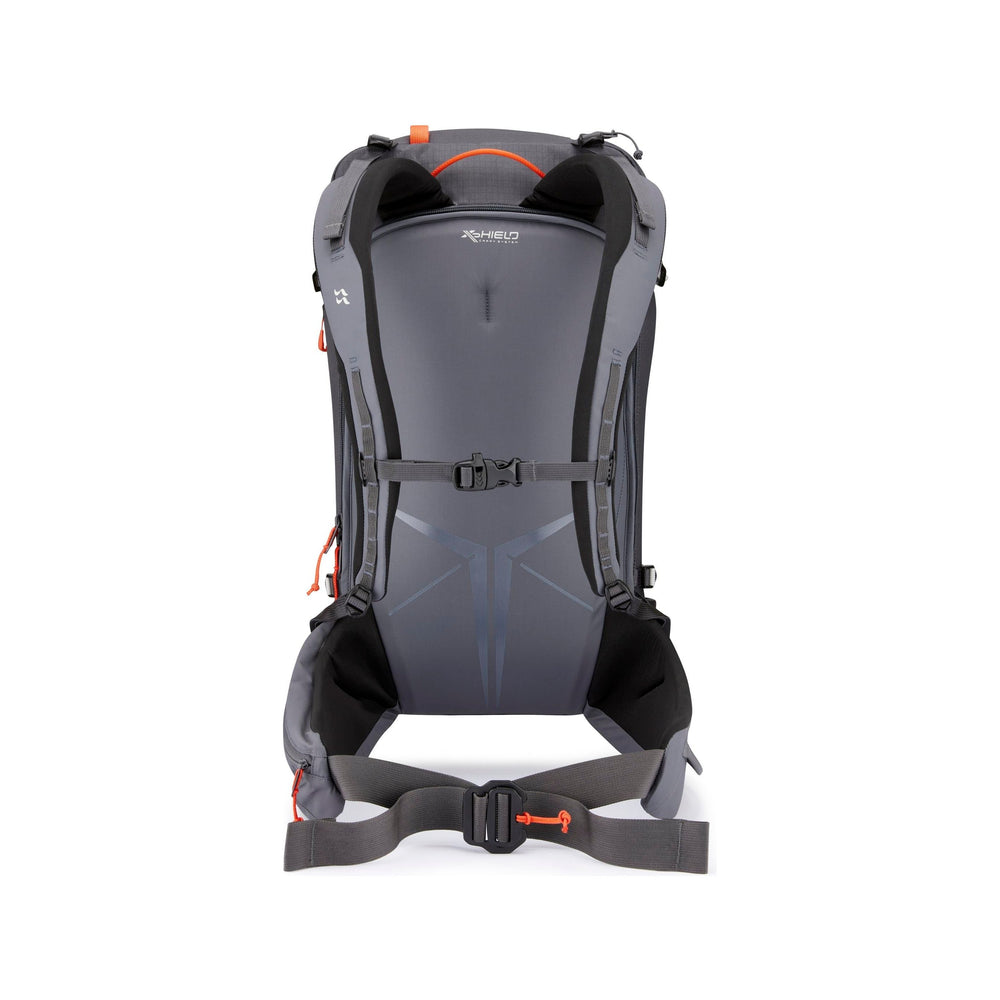


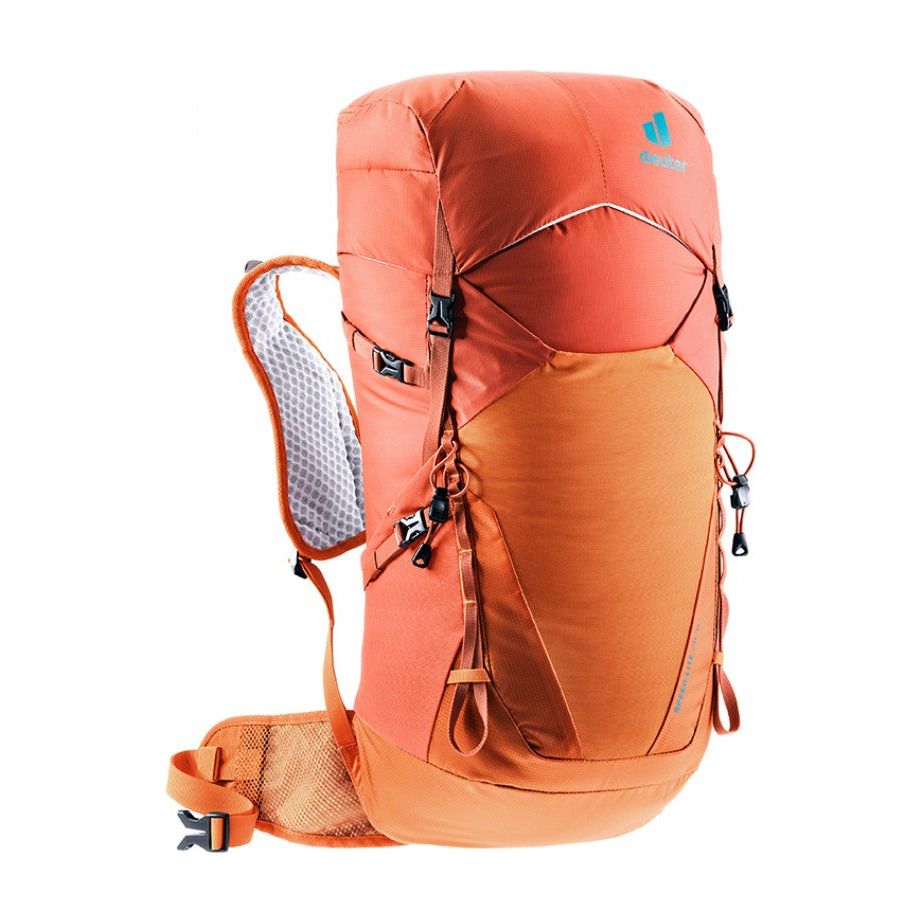
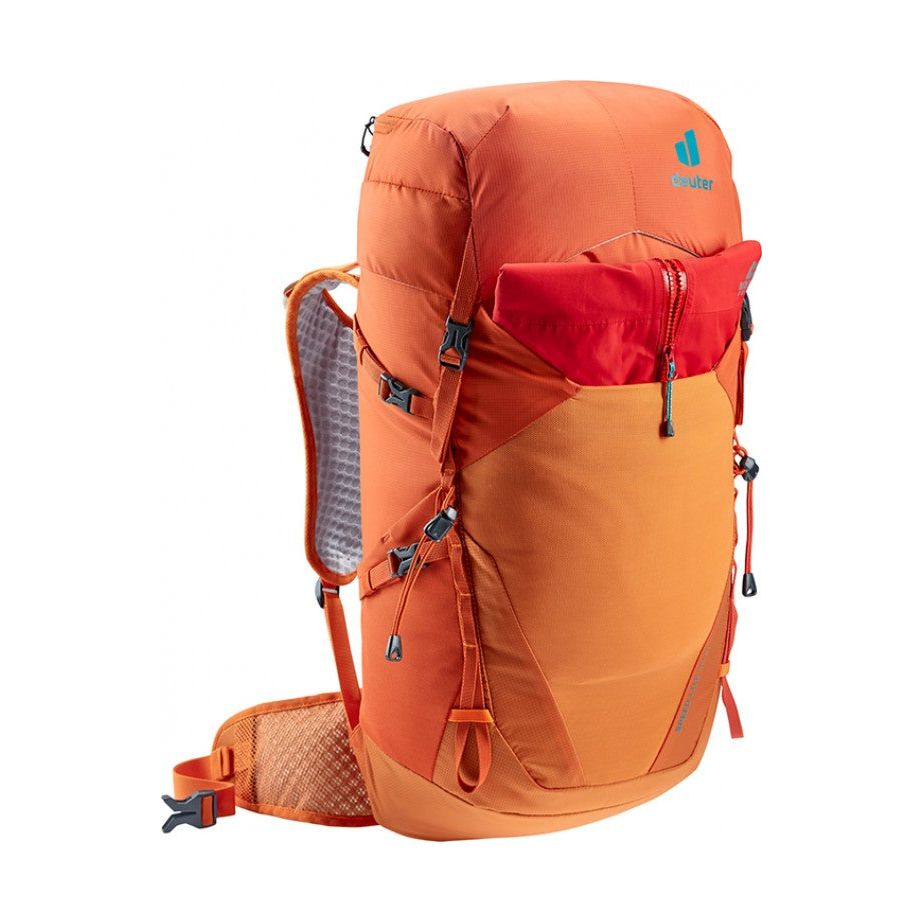


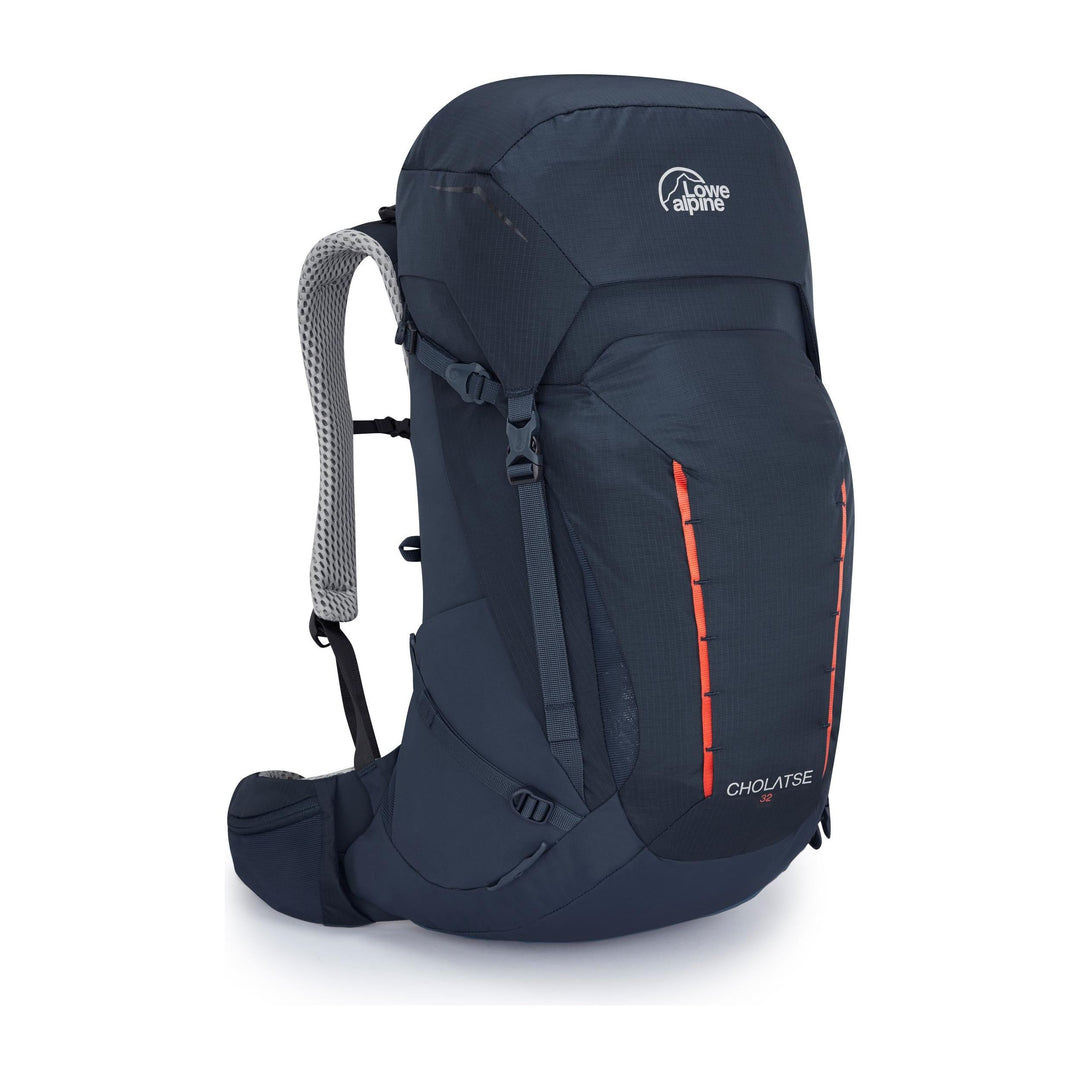
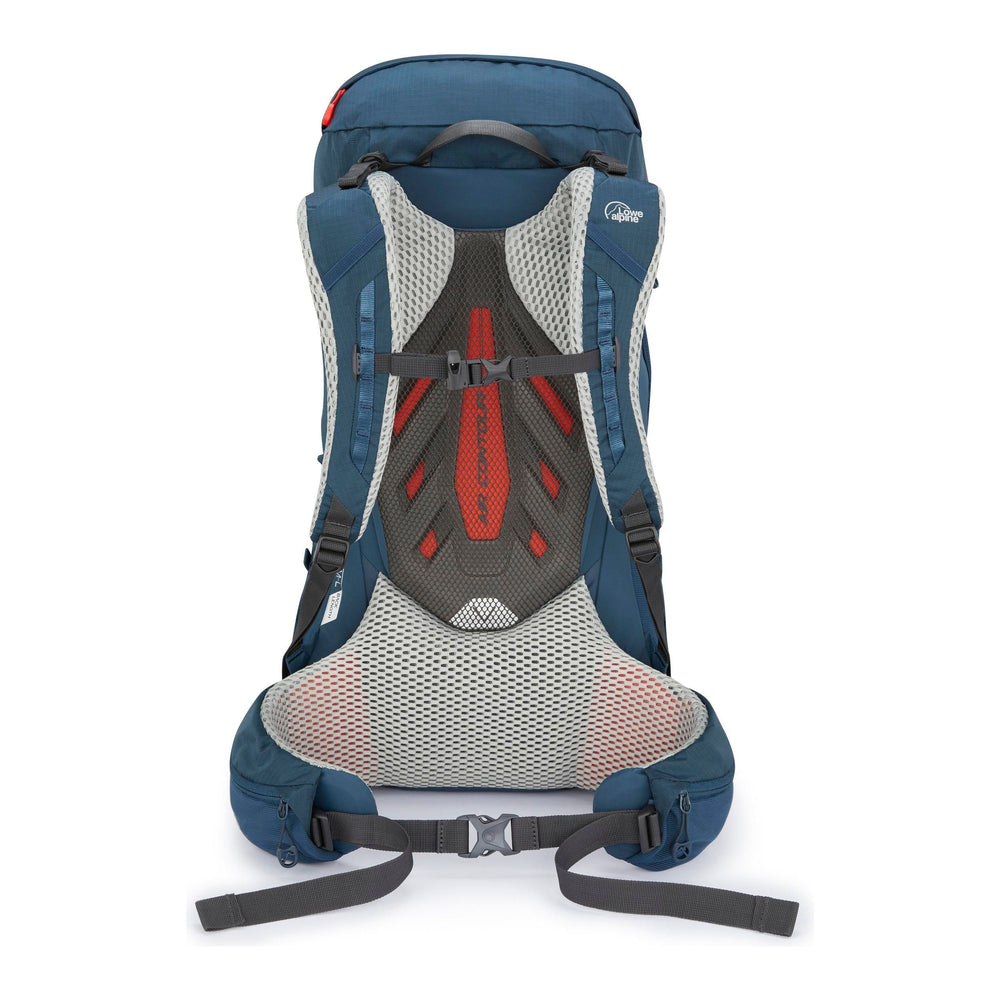
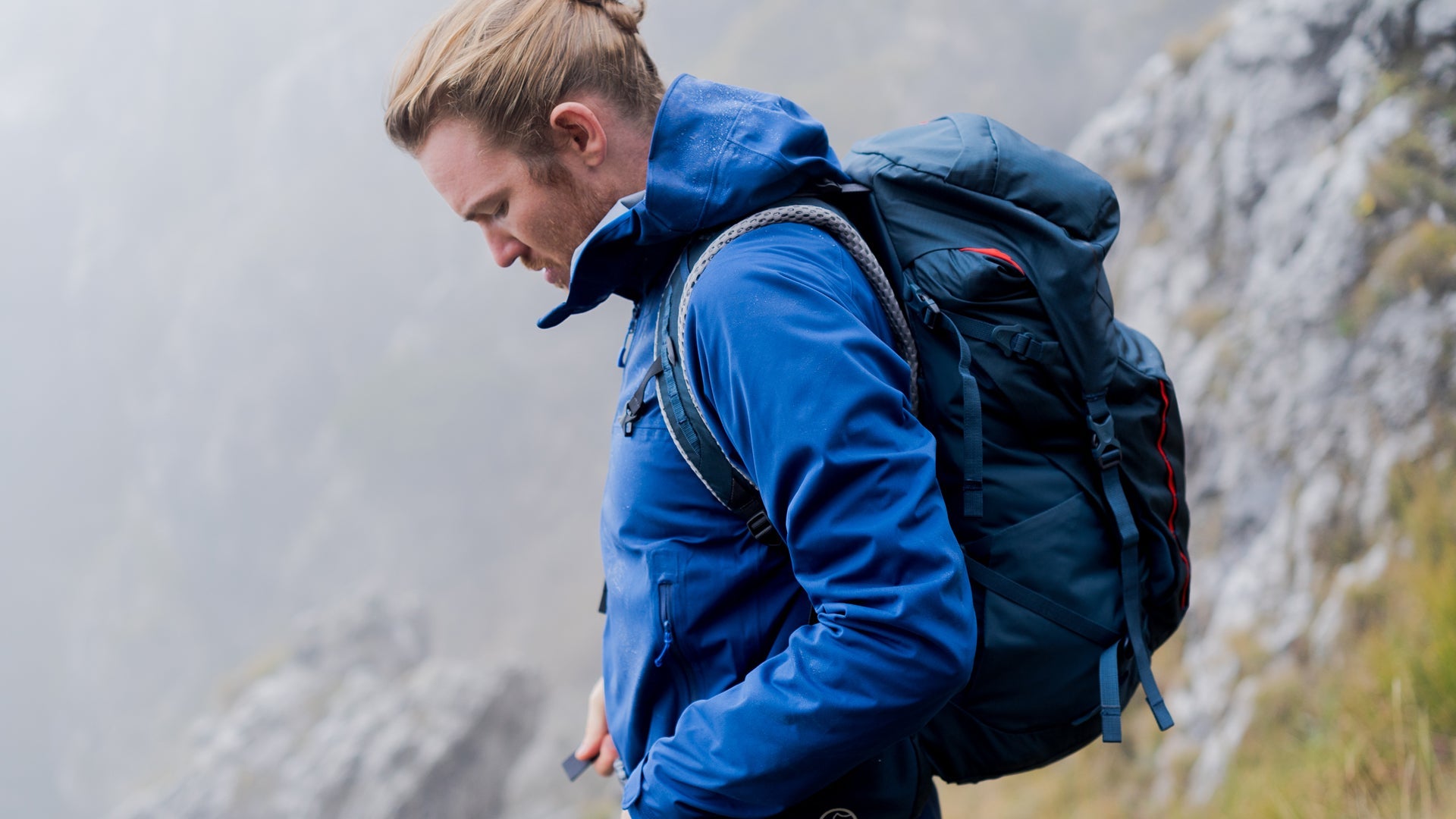
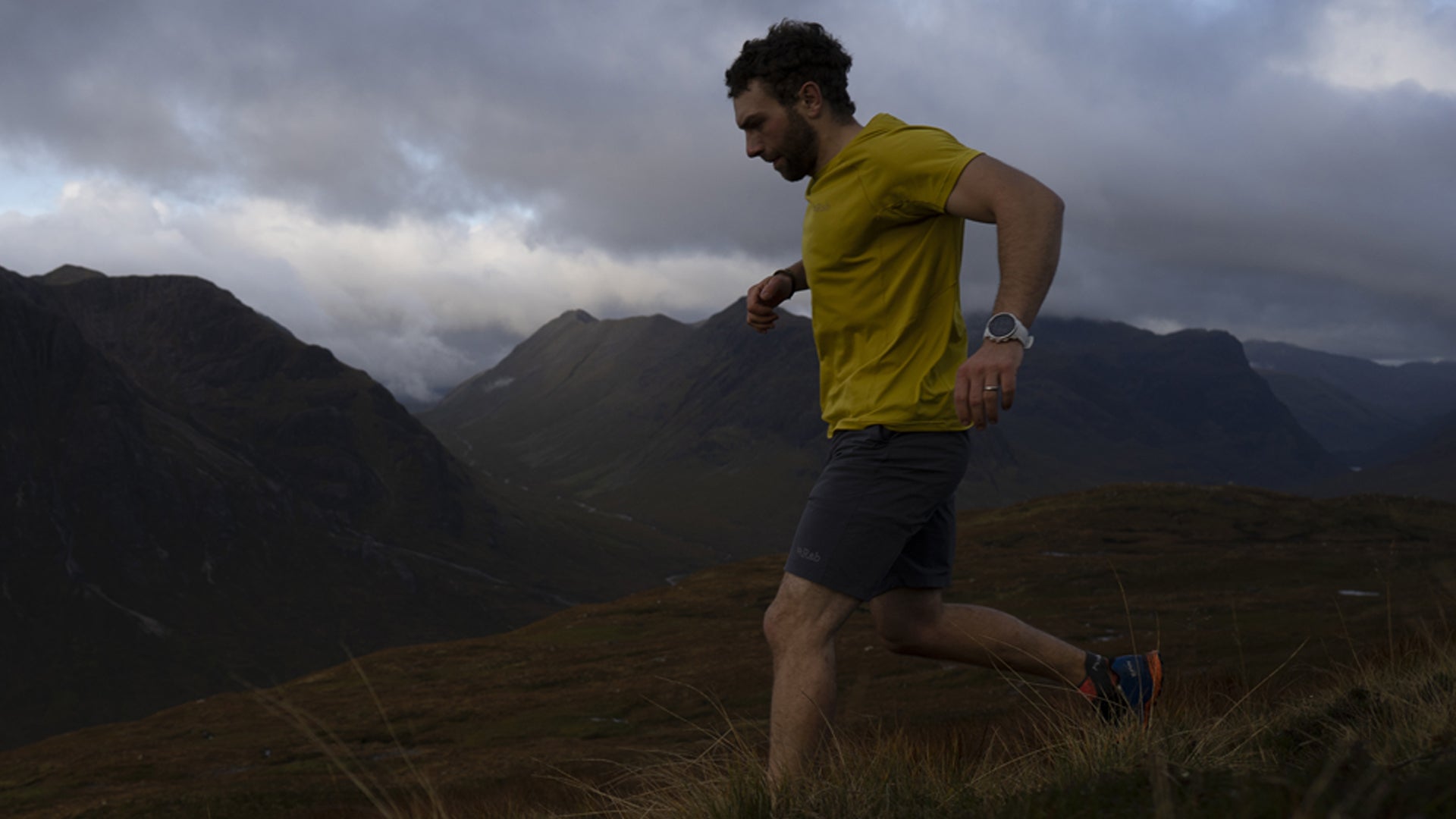
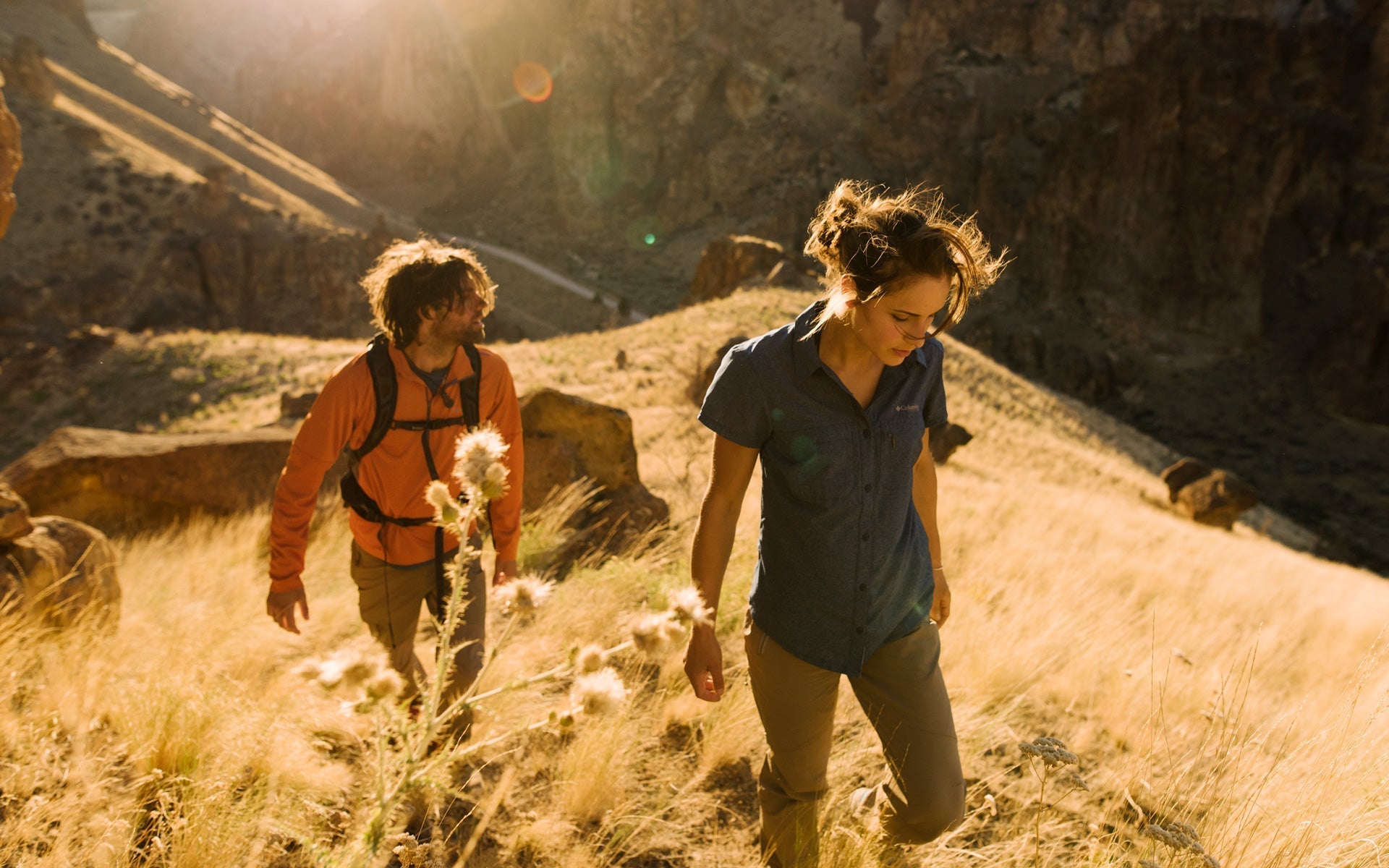
A daypack is the right tool for any trip where you're moving fast and light — day walks, trail running, commuting, travel, or as your carry-on bag. The difference between a good daypack and a bad one is fit, ventilation, and whether it carries the weight comfortably when you actually load it up.
Our daypack range is built around Deuter — the most comprehensive daypack range we carry, with back systems designed for active use. From the Speed Lite series for ultralight day walks to the Trail range for longer outings with a full day's gear, Deuter covers the spectrum.
Choosing the Right Size
- 15–20L: Day walks, commuting, travel day bag. Enough for lunch, layers, and a water bottle without excess bulk.
- 22–32L: Longer day walks, overnight hikes, trail running with gear. Look for a hip belt if you're carrying more than 5–6kg.
- 32L+: Big day walks, ski touring, or a light overnight — the Deuter Speed Lite 32 and Trail 30 sit in this range.
What to Look For
- Back ventilation: Deuter's Airstripes and Aircomfort systems keep air moving between your back and the pack — important on NZ's steep, sweaty climbs.
- Hip belt: Even a lightweight hip belt shifts some load off your shoulders on longer outings. Non-negotiable for anything over 20L on a full day.
- Rain cover: NZ weather turns fast. Either a built-in rain cover or a waterproof pack base is worth having on any walking daypack.
- Hydration compatibility: Most Deuter daypacks include a sleeve for a hydration bladder — useful for longer days where stopping to get a water bottle out is inconvenient.
Frequently Asked Questions
What size daypack do I need for NZ day walks?
For a straightforward day walk on a well-formed NZ track — lunch, water, layers, first aid — a 22–28L pack is the sweet spot. It's enough space to carry everything without tempting you to overpack. For a big alpine day where you're carrying extra gear, poles, and emergency kit, 28–32L gives you more flexibility. For light trail running or fast-and-light walks, 15–20L is sufficient.
Do I need a hip belt on a daypack?
For packs under 20L with a light load, no — shoulder straps are sufficient. For anything over 5–6kg or on longer outings, a hip belt shifts meaningful weight off your shoulders and makes a real difference in comfort over a full day. Deuter daypacks from 22L upwards include a proper padded hip belt system.
What's the best daypack for NZ tramping?
The Deuter Trail 22 and Speed Lite 24 are our most popular daypacks for NZ day walks — both offer Deuter's ventilated back system, a proper hip belt, and enough capacity for a full day out without excess weight. The Speed Lite series is lighter and more streamlined; the Trail series offers more structure and organisation. For most NZ trampers doing day walks, either is an excellent choice.
Can I use a daypack for overnight tramping?
A 30–35L daypack can work for a very light overnight hut trip where you're not carrying a tent — sleeping bag, change of clothes, food, and layers. It's tight. For anything more than one night or trips that require a tent, a dedicated multi-day tramping pack with a proper suspension system is the better choice. See our hiking packs range for 40L+ options.
How do I fit a daypack properly?
Load the pack before fitting. Tighten shoulder straps so the pack sits against your back, then clip and snug the sternum strap across your chest. For packs with a hip belt, buckle it at your hip bones rather than your waist. Torso length matters — if the shoulder straps pull forward or the back panel doesn't sit flush, the size may not be right for your torso.
How do I care for a daypack?
Empty the pack fully after each trip and shake out debris. For light cleaning, wipe down with a damp cloth. For a thorough wash, hand wash in cool water with a mild detergent — don't machine wash, as it can damage the frame and coatings. Air dry completely before storing. If the DWR coating stops beading water, reproof with a spray-on DWR product. Store loosely rather than compressed.