





Winter Camping in NZ: A Complete Guide to Staying Warm and Safe

Written by the Dwights Outdoors team — specialists in camping and hiking gear since 1979.
There's something about a New Zealand winter that rewards the prepared tramper like no other season. Tracks emptied of summer crowds, mountains draped in snow, sunrises that paint the Canterbury high country in shades no photo quite captures. But winter camping here isn't summer camping with an extra fleece — New Zealand's terrain and weather demand a different mindset and genuinely different gear.
This guide covers everything you need: how to sleep warm, choose the right shelter, build a layering system that actually works, and move safely through the hills in the coldest months. Whether you're planning a first winter overnighter on the Tongariro Northern Circuit or a multi-day traverse in the Southern Alps, this is where to start.
How Winter Tramping Differs from Summer
Above 1,000 metres, frost is possible year-round in New Zealand. In winter, sub-zero nights at altitude are the norm. Add wind chill and you're dealing with conditions that punish underprepared gear fast. Several challenges catch summer campers off-guard:
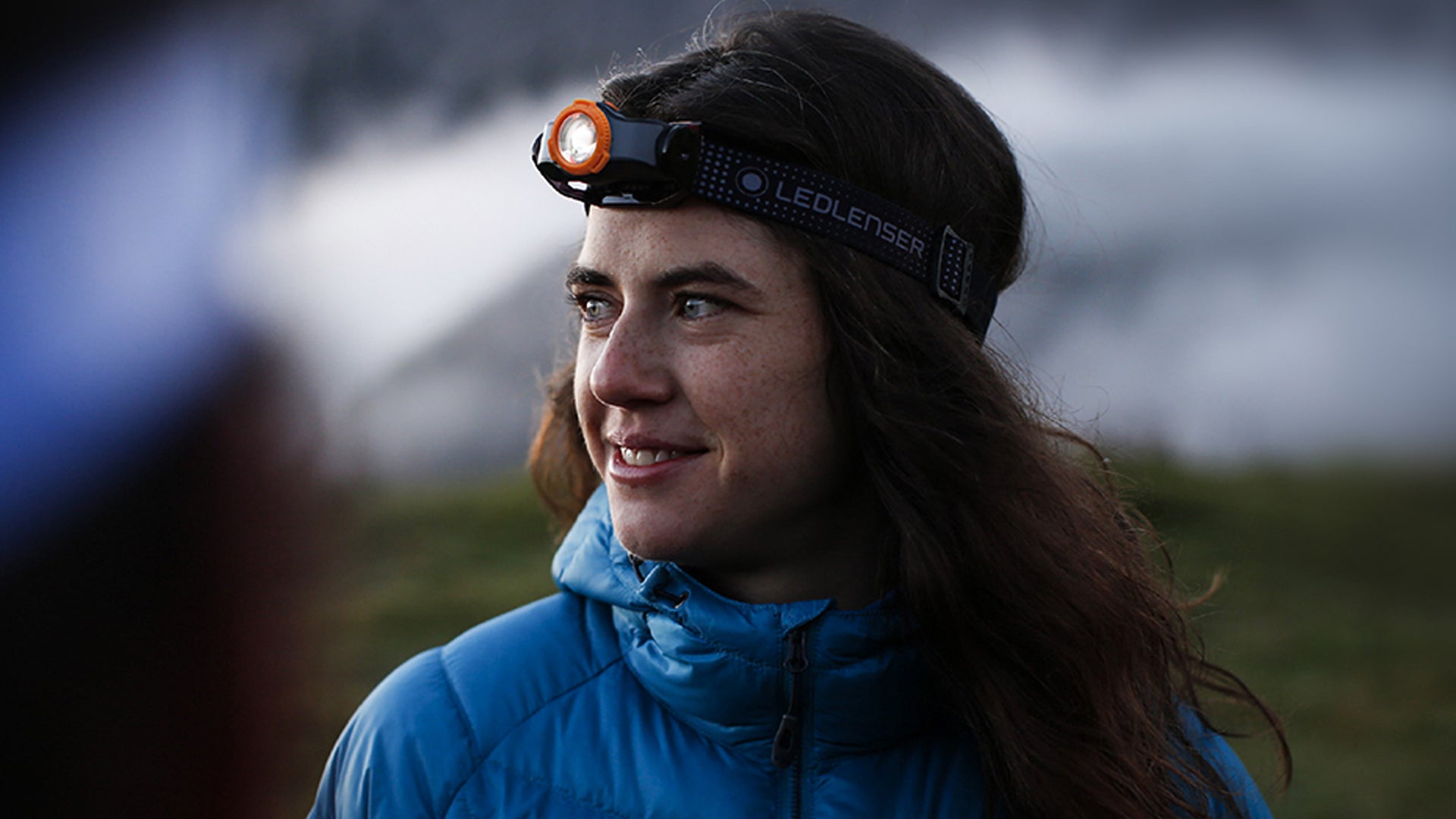
- Shorter days. You'll be setting up camp in the dark more often. Plan distances conservatively and carry a reliable headtorch with spare batteries.
- Ice on tent zips. Frozen zippers are a nuisance — and a hazard if you need to exit quickly. A little zipper lubricant before your trip goes a long way.
- Condensation. Cold air holds less moisture. Proper ventilation inside your tent — even a partially cracked vent — is essential to keep your sleeping bag dry.
- Track closures. The Milford and Routeburn Tracks both close in winter. The Tongariro Northern Circuit remains open year-round and is New Zealand's best winter Great Walk — stunning in snow, but demanding the right kit.
The Sleep System: Your Most Critical Investment
Cold nights are won or lost in your sleeping bag and mat. Get this wrong and no amount of quality outerwear will rescue you.
Sleeping Mats: R-Value Is Everything
Frozen ground draws heat from your body faster than cold air ever will. In winter, you need a mat with an R-value of at least 5. Our top pick is the Peak XV MaxComfort 7.2R V2 ($279.99) — an insulated inflatable rated at 7.2, built specifically for cold-ground conditions. For milder winter use at lower altitude, the Peak XV Hyperlite 4.9R ($249.99) is a lighter alternative. See our sleeping mat guide for a full R-value breakdown.
Sleeping Bags: Rating and Fill
For NZ winter tramping, look for bags rated to at least -5°C. The One Planet Cocoon ($699–$749) and One Planet Sonder ($599–$699) are our go-to winter picks — quality down fill, packable for multi-day trips, and built to handle the damp conditions NZ regularly delivers. For exposed alpine terrain and serious high-country routes, the Rab Neutrino Pro ($1,091) provides the margin those conditions demand.
Keep your bag dry — a wet down bag loses most of its insulation value. Store it in a dry bag inside your pack, and air it out whenever conditions allow. DOC huts provide shelter but can be cold; always bring your own sleep system rather than relying on the hut to do the work. Read more in our sleeping bag guide.
Shelter: 4-Season vs 3-Season
Not all tents are equal, and winter in New Zealand quickly separates genuine alpine shelters from fair-weather gear.
For true winter camping — exposed ridgelines, alpine campsites, anything above the treeline in serious conditions — you need a 4-season tent. The MSR Access series ($1,325–$1,664 for the 1, 2, and 3-person models) are the benchmark: geodesic designs built to shed snow loads, withstand sustained wind, and keep occupants dry when conditions change fast. Browse our full tents range.
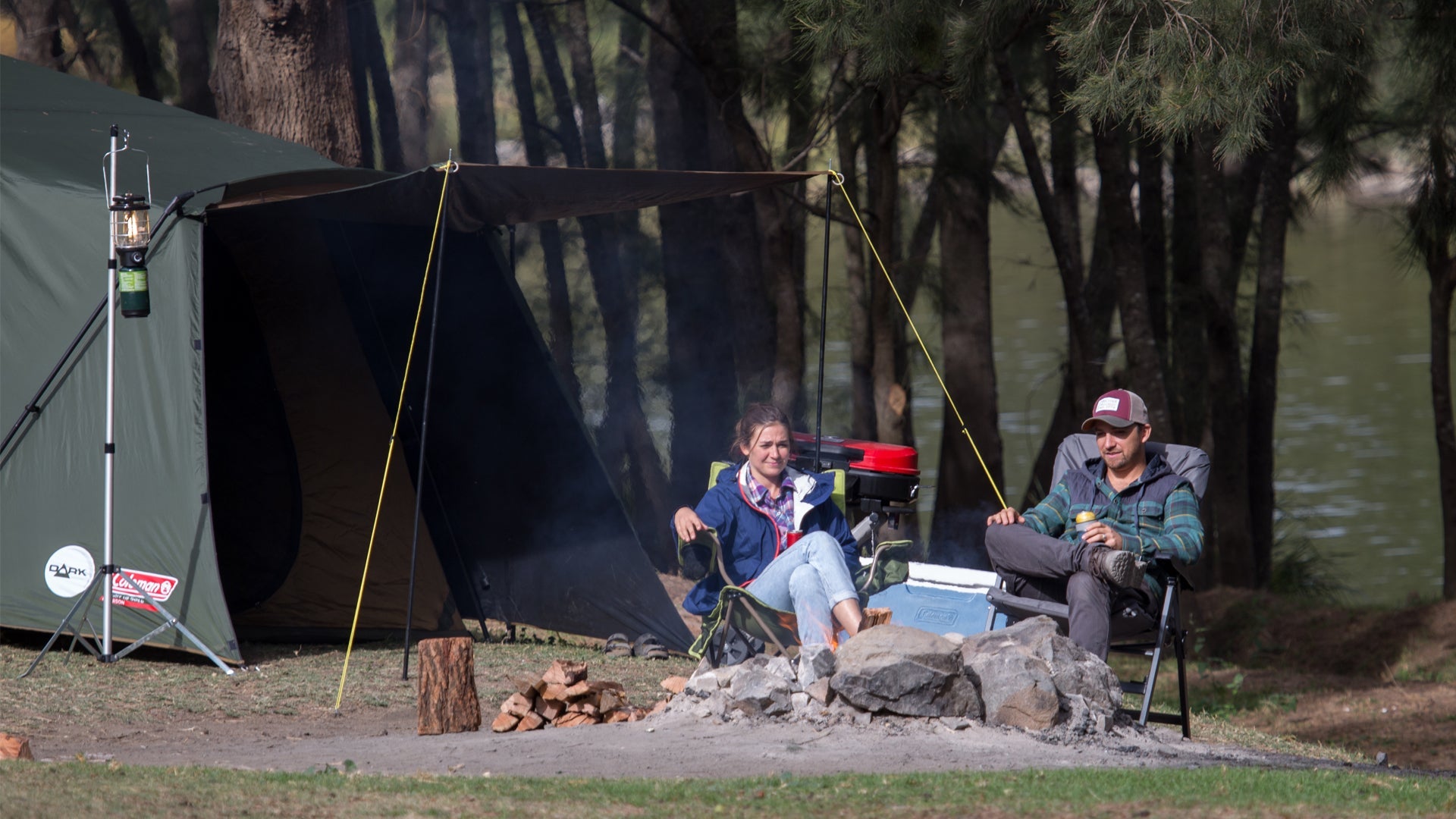
For shoulder-season winter tramping at lower altitude, the Dwights Explore V2 performs well in cold but less extreme conditions. Regardless of tent choice: pitch with all guy lines deployed, orient your door away from prevailing wind, and leave a vent cracked to manage condensation.
Layering: Building a System That Works
The goal of layering is to regulate temperature as your activity level shifts — from moving uphill to resting at a summit to sitting in a cold tent. Four layers, each with a distinct job:
- Base layer: Merino wool manages moisture, resists odour on multi-day trips, and stays warm when damp. Avoid cotton entirely — it holds moisture and accelerates heat loss.
- Mid layer: A fleece or lightweight insulator worn over your base. Add it on rest stops, shed it on the climb.
- Insulation layer: A quality down jacket for camp warmth and exposed summits. The Rab Microlight ($287.96) packs small and deploys fast. For serious alpine cold, the Rab Valiance ($545.96) provides substantially more warmth.
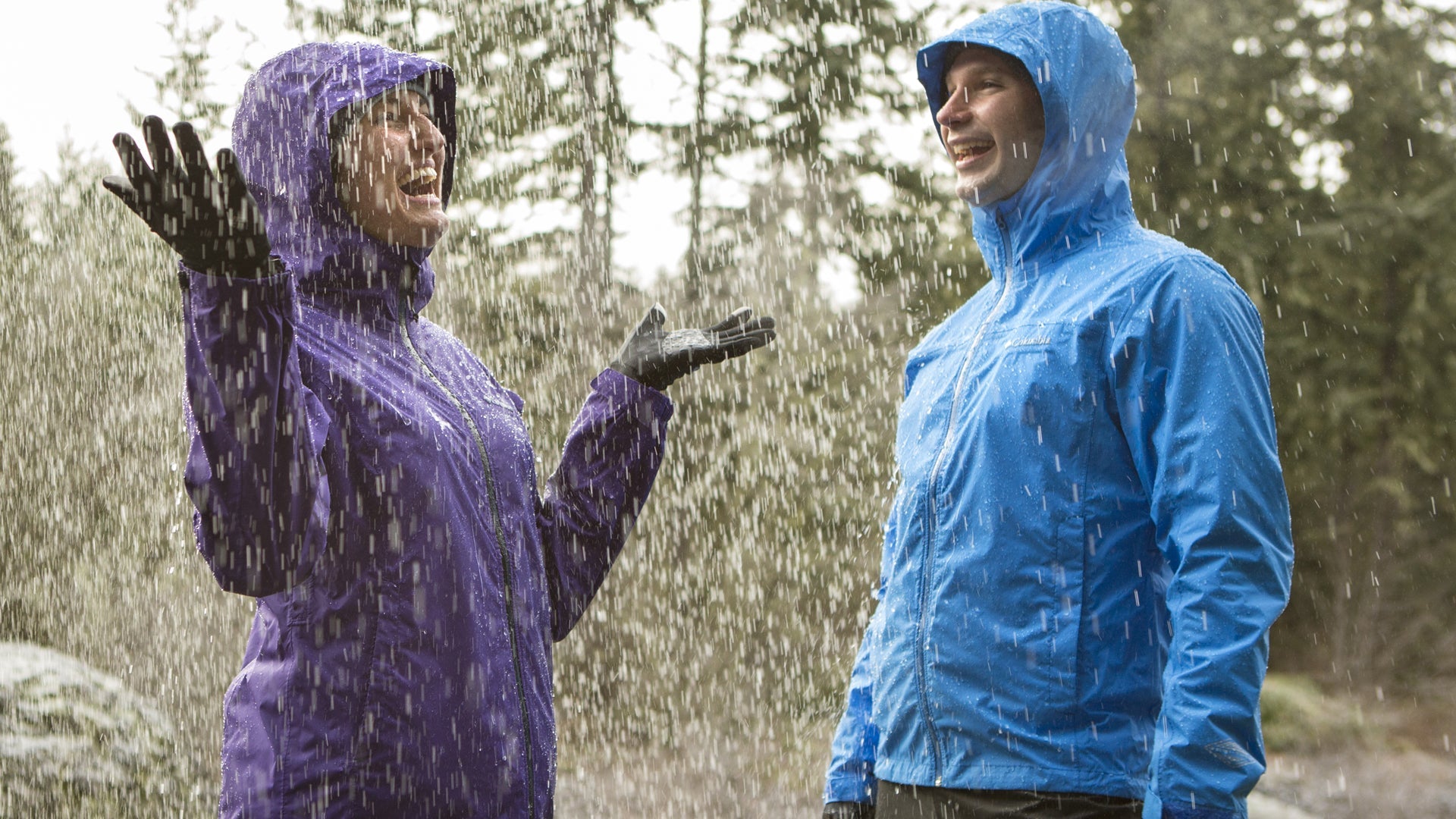
- Shell layer: Your waterproof-breathable outer. NZ weather — especially in Fiordland and the Tararua Range — can deteriorate in minutes. A well-fitted hardshell with sealed seams is non-negotiable.
Don't overlook your hands. The Rab Guide 2 GTX Gloves ($239.96) are built for serious alpine conditions. The Rab Pinnacle GTX ($159.99) balances warmth and dexterity for most winter tramping. The Rab Storm Mitt ($103.96) works well as a budget outer shell over liner gloves in moderate cold.
Safety on the Winter Hills
Winter tramping carries higher stakes than summer. A few non-negotiables:
- Hypothermia awareness. It develops faster than most expect when wet and wind combine. Know the signs — persistent shivering, confusion, clumsiness — and respond with warmth, shelter, and dry insulation immediately.
- Weather monitoring. Check MetService before and during your trip. Build flexibility into your itinerary so you can wait out a front rather than push through deteriorating conditions.
- Communication. A personal locator beacon (PLB) is mandatory for any serious winter trip. Mobile coverage is unreliable in the back country. Register your PLB and carry it on your person.
- Avalanche awareness. On exposed alpine routes in the Southern Alps and Canterbury high country, avalanche risk is real. Check the NZ Avalanche Advisory before departure, and carry probe, shovel, and transceiver on any route with genuine exposure.
What Winter Opens Up
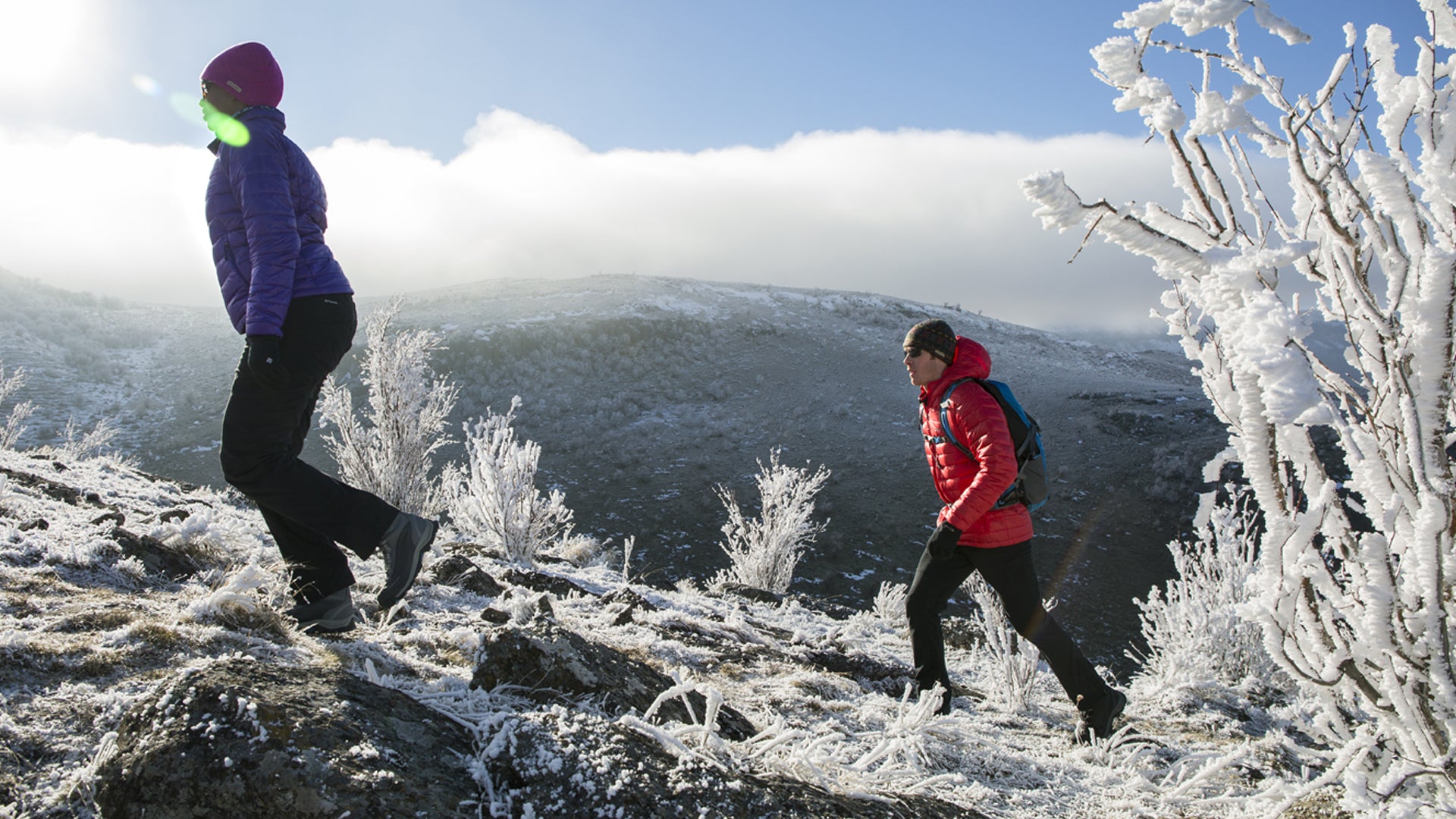
Winter in the New Zealand hills delivers an experience that simply isn't available in summer. Tracks are genuinely quiet. Huts that sleep 30 in January might have you as the sole occupant in July. Snow-covered ranges, ice crystals on tussock at dawn, the kind of stillness that's hard to find anywhere else. For trampers who put in the work to gear up properly, winter becomes the favourite season.
Winter Tramping Destinations in New Zealand
- Tongariro Northern Circuit. Open year-round. The volcanic plateau transforms dramatically in winter — spectacular with the right gear. Cold nights are the rule; a solid sleep system is essential.
- Canterbury High Country. The Hakatere, Lake Heron, and Two Thumb Range areas offer remote winter tramping. Temperatures can drop severely; full winter kit required.
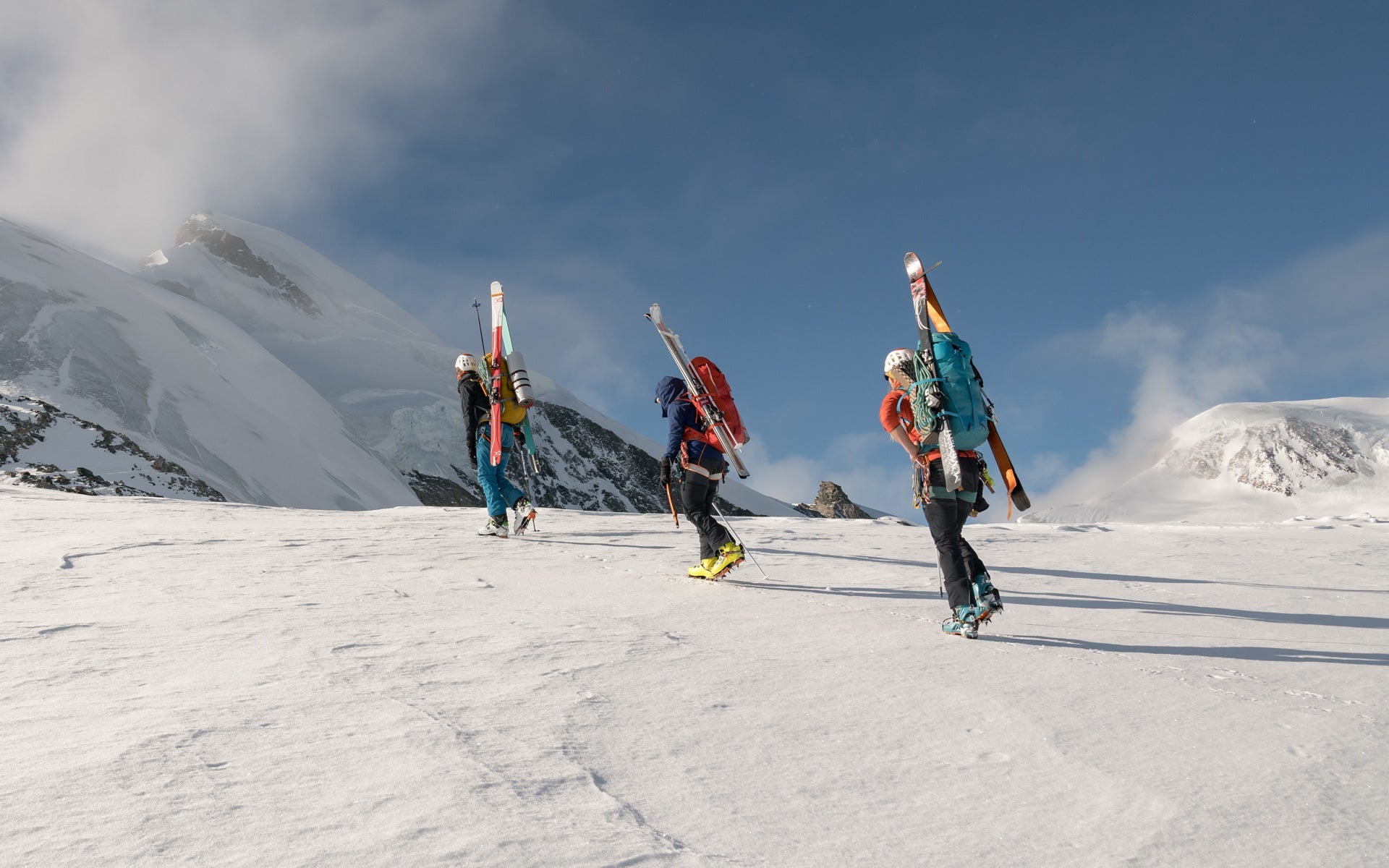
- Southern Alps. For experienced alpine trampers. Hut-to-hut routes in the main divide demand 4-season gear, avalanche awareness, and strong navigation skills.
- Tararua Range. Deceptively challenging in winter — exposed ridgelines, rapid weather changes, significant wind exposure. Rewarding for well-prepared trampers within reach of Wellington.
- Fiordland. Milford and Routeburn Tracks close in winter. Kepler and various off-track routes remain accessible — check DOC conditions before planning.
Browse more gear advice and trip inspiration on our winter camping blog.
Frequently Asked Questions
- What R-value sleeping mat do I need for winter camping in New Zealand?
- Aim for R-value 5 or higher. Frozen ground draws heat far faster than air temperature alone. The Peak XV MaxComfort 7.2R V2 is our top pick for serious NZ winter conditions.
- Can I use a 3-season tent for winter camping in NZ?
- A quality 3-season tent handles mild winter conditions at lower altitude. For exposed campsites, alpine terrain, or heavy snow loading, a 4-season tent like the MSR Access series is the correct tool — the key difference is structural strength under snow load and performance in sustained high winds.
- What sleeping bag temperature rating do I need for NZ winter?
- For most NZ winter tramping, a bag rated to at least -5°C provides a good comfort margin. For serious alpine environments and exposed high country, a colder-rated bag provides the safety margin those conditions demand. See our sleeping bag guide for full details.
- Which Great Walks are open in winter?
- The Tongariro Northern Circuit is open year-round and is New Zealand's best winter Great Walk. The Milford and Routeburn Tracks close in winter due to avalanche and weather risk. Always check DOC's website for current track status.
- Do I need an avalanche transceiver for winter tramping?
- For most established tramping routes through forest and valley terrain, no. If you're on exposed alpine routes in the Southern Alps or Canterbury high country, avalanche risk is real — check the NZ Avalanche Advisory and carry appropriate rescue gear.
- Are DOC huts warm enough to skip a sleeping bag in winter?
- No. Many huts have wood burners or gas heaters, but they're not reliably warm overnight. Always carry a sleeping bag and mat rated for the temperatures you'll encounter. Treat the hut as shelter, not a heat source.
Written by the Dwights Outdoors team — specialists in camping and hiking gear since 1979.
