











How to Choose a Tent for NZ Camping
The right tent is determined by where you will use it, how you will transport it and how much living space you need. Start with those decisions before comparing materials, features or sale prices.
1. Will you carry it or drive it?
Hiking tents put weight and packed size first. Space is tighter and the price reflects lighter materials and construction. Car-camping tents can be heavier, with more headroom, larger vestibules or separate rooms. A family tent that is comfortable beside the car can be completely unsuitable for carrying on a tramp.
Browse hiking tents or camping tents once you have chosen the transport category.
2. Treat the berth number as a minimum sleeping plan
A nominal four-person tent may fit four sleeping positions with little spare room. For family camping, allow space for bags, wet-weather time and the actual width of your beds or mats. Check the floor dimensions rather than relying on the model name.
Also check:
- peak and usable standing height;
- door position and whether people must climb over each other;
- vestibule or awning space for wet gear;
- floor shape against the measurements of your sleep setup.
3. Match the structure to the campsite
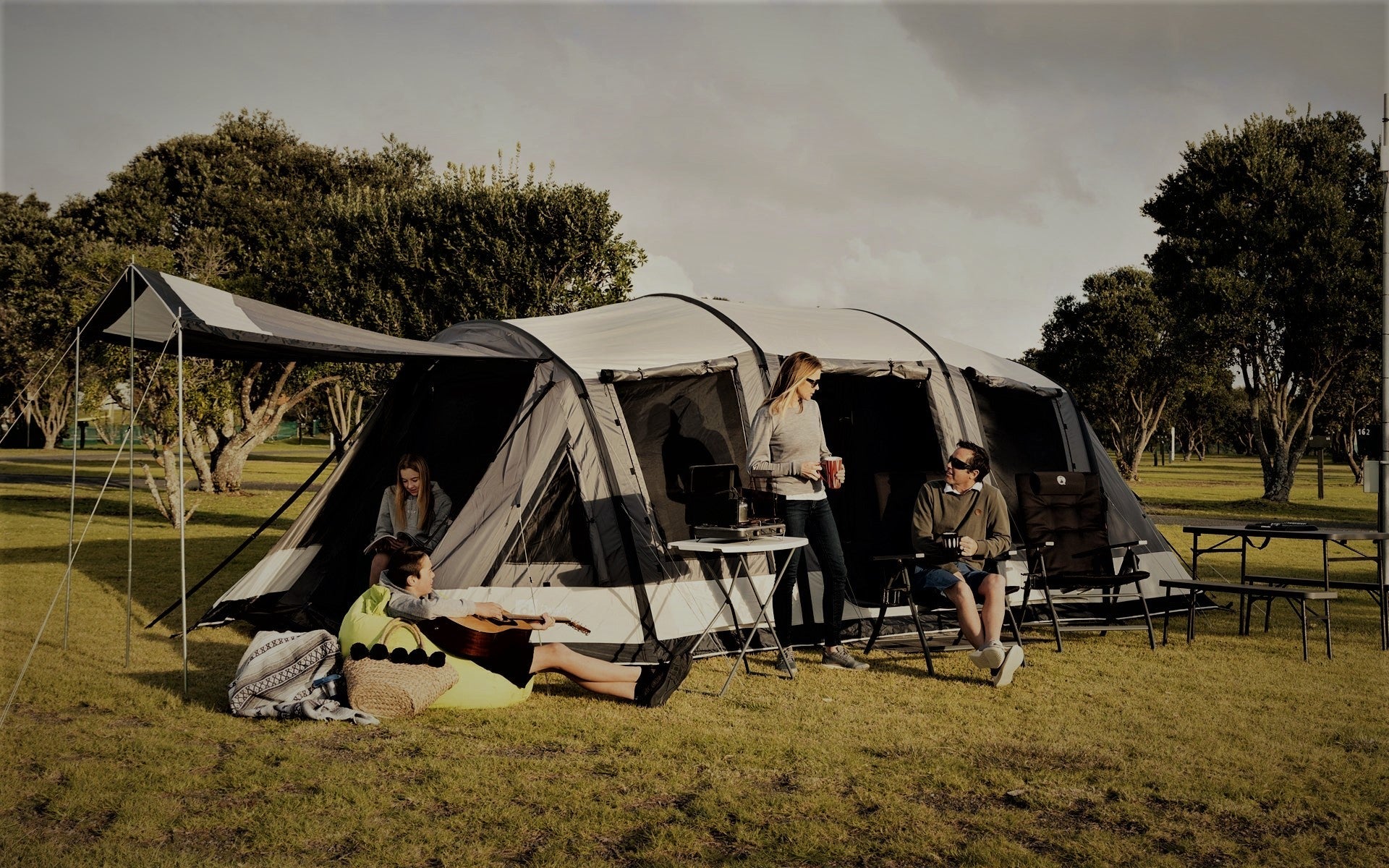
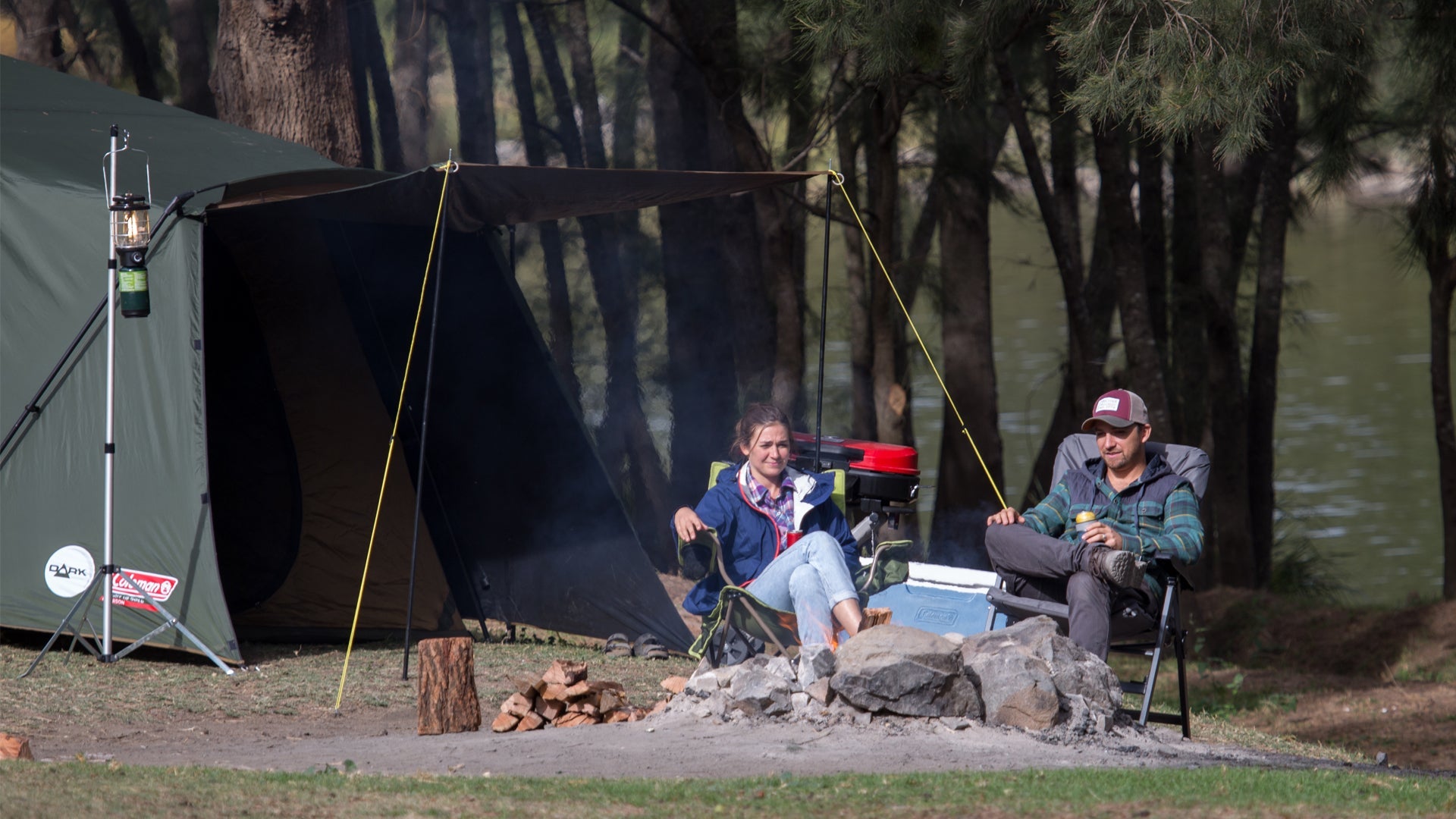
Large cabin-style and air tents can provide excellent living space but present more surface area to wind and need a larger, well-pegged site. Smaller dome or tunnel tents are often easier to place. Hiking tents are designed around different priorities again.
Whatever the style, correct pitching matters. Use all required poles, pegs and guylines, follow the manufacturer’s instructions and practise before the first trip.
4. Look beyond a single waterproof number
Waterproof ratings can help compare fabrics when the test method is clear, but they do not describe the whole shelter. Seam construction, floor design, rainfly coverage, ventilation, pitch quality and condition all matter. Be cautious when two products quote numbers measured or presented in different ways.
5. Plan for ventilation and wet-weather living
More occupants create more moisture. Look for vents that remain usable with the fly fitted, mesh or inner-wall separation appropriate to the design, and doors that can be managed in rain. Read our guide to reducing tent condensation.
6. Check the complete packed system
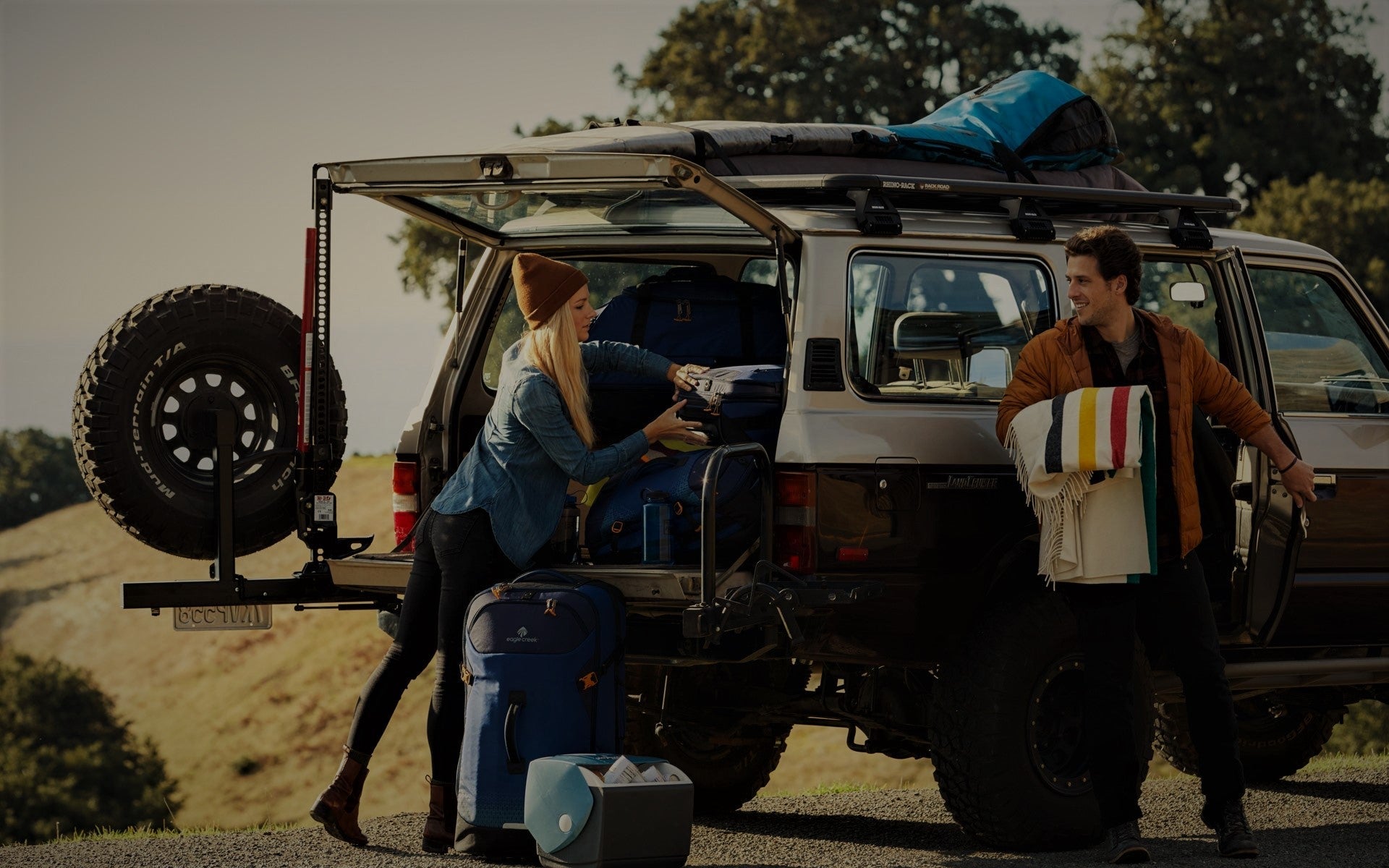
Confirm the packed length and weight, not only the tent body specification. Include poles, pegs, fly, footprint if required and any pump supplied with an air tent. Make sure the packed tent fits the vehicle or pack you will actually use.
A practical shortlist
| If your priority is… | Start with… | Check carefully… |
|---|---|---|
| Multi-day tramping | Hiking tent | Total carried weight, packed size, weather suitability and usable dimensions |
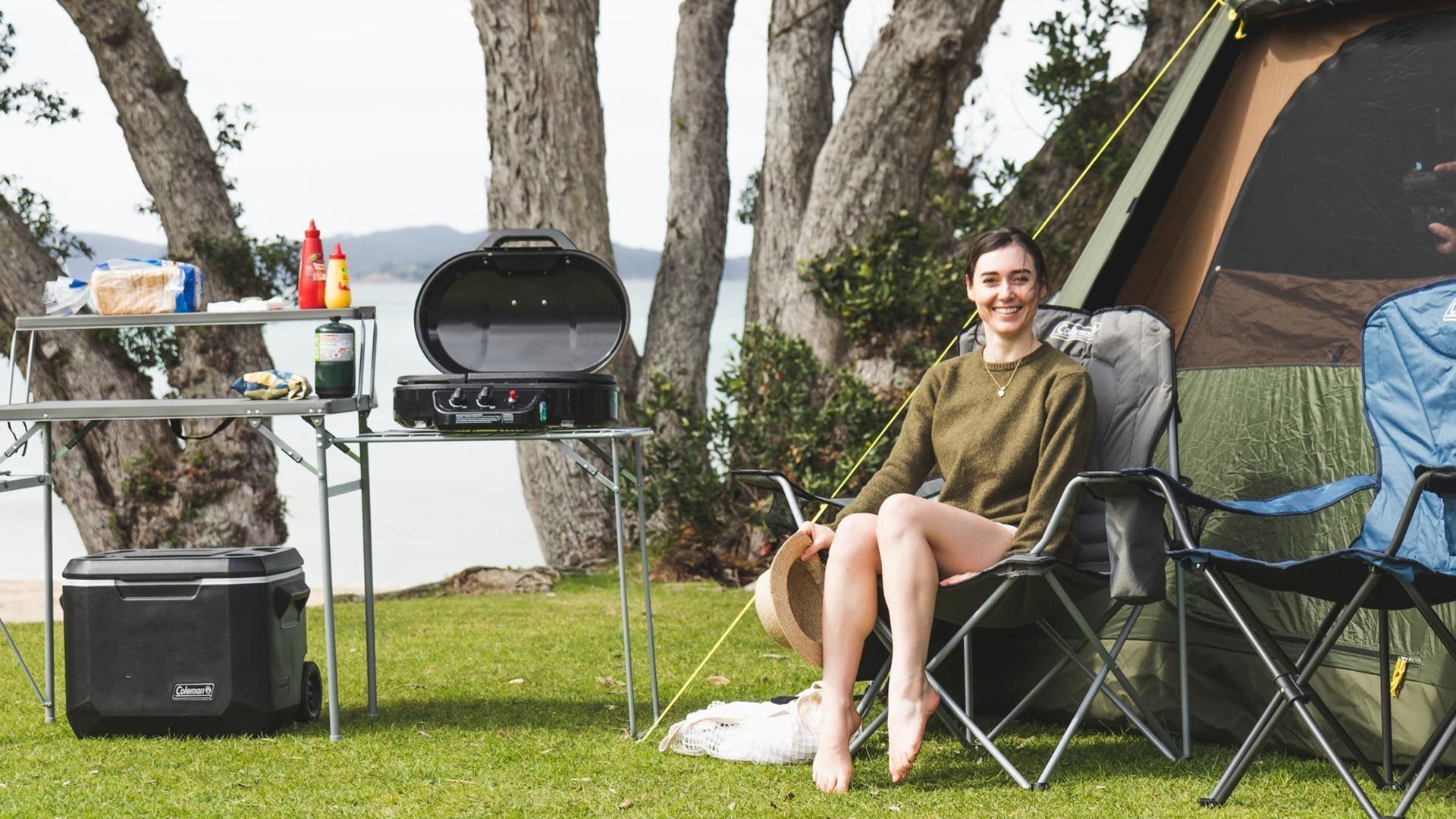
| Family campsite comfort | Large dome, cabin or air tent | Real floor area, headroom, wind exposure, setup and vehicle space |
| Quick overnight stops | Instant or simple dome design | Packed shape, pack-down process and wet-weather ventilation |
| Long stays and durable living space | Canvas or robust family shelter | Weight, drying, storage, pitching area and maintenance |
Once you have narrowed the category, compare two or three tents using the same checklist. The best tent is the one whose trade-offs fit your trips—not simply the model with the highest berth count or longest feature list.