


















Inflatable Tent or Pole Tent: How to Choose
Inflatable and poled tents can both provide a practical campsite shelter. The useful comparison is not simply air versus poles; it is setup, packed size, weight, layout, repair support and suitability for the way you camp.
Inflatable tents
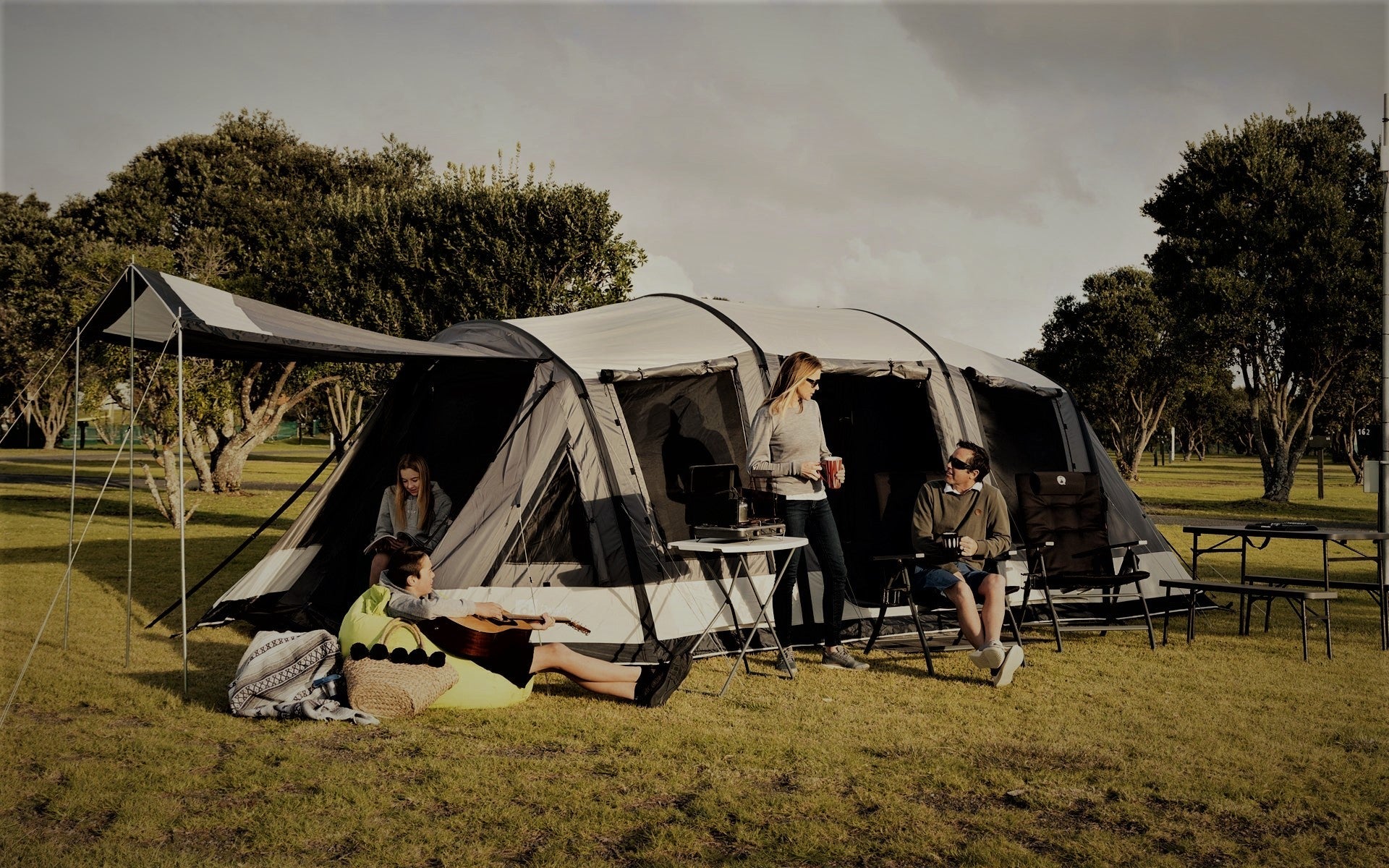
Air-filled tubes replace most rigid poles and can make the pitching sequence easier to understand on a large family tent. The tent still needs correct orientation, pegging and guying. The supplied or approved pump, pressure guidance and valve system are part of the design.
Check the total packed weight and bag dimensions. A fast pitch does not necessarily mean a light or compact tent. Also confirm whether an air tube can be isolated or replaced and whether compatible valves and tubes are available.
Pole tents
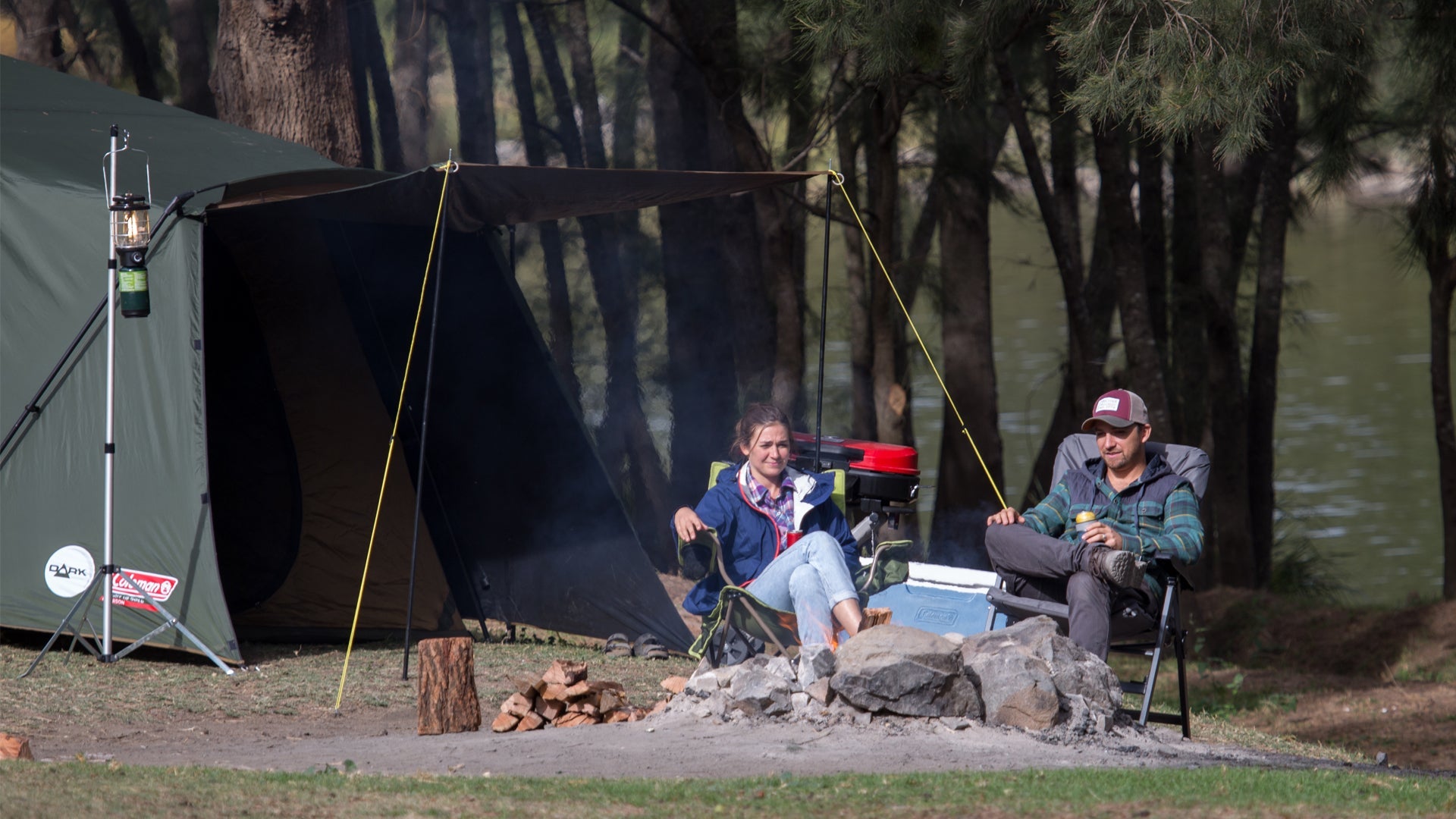
Pole tents cover a wide range, from compact hiking shelters to large family models. Separate poles can divide the packed load and replacement sections may be straightforward to identify. Setup time depends on the structure, pole sleeves or clips and the user’s familiarity.
Inspect pole material, hub complexity and the manufacturer’s repair options. A broken section and a damaged pole sleeve require different solutions.
Compare the complete shelter
- Layout: measure bedrooms, living space, entrances and usable height.
- Transport: check packed length, weight and whether one person can move the bag.
- Ventilation: compare protected low and high vents and usable mesh openings.
- Weather setup: review peg, guy-line and orientation instructions for the model.
- Repairs: check parts support before purchase, not after a failure.
Which format suits you?
An inflatable tent can suit vehicle-based campers who value a clear setup sequence and have room for the packed tent and pump. A poled tent may suit people who want a wider choice of weights, structures and pack shapes. Practise either type at home and dry every component before storage.
Compare inflatable air tents with the wider tent range.