





Hiking Tents
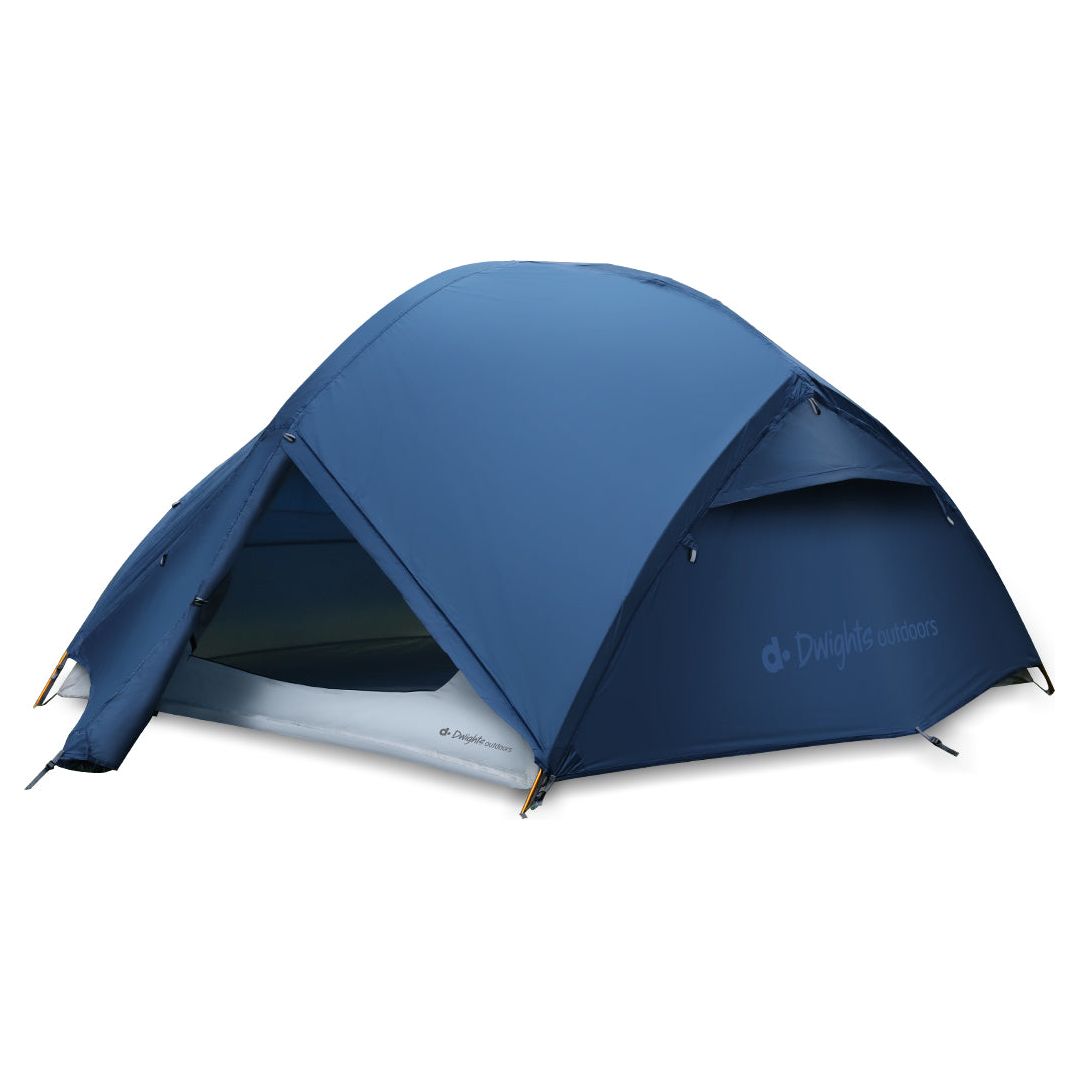
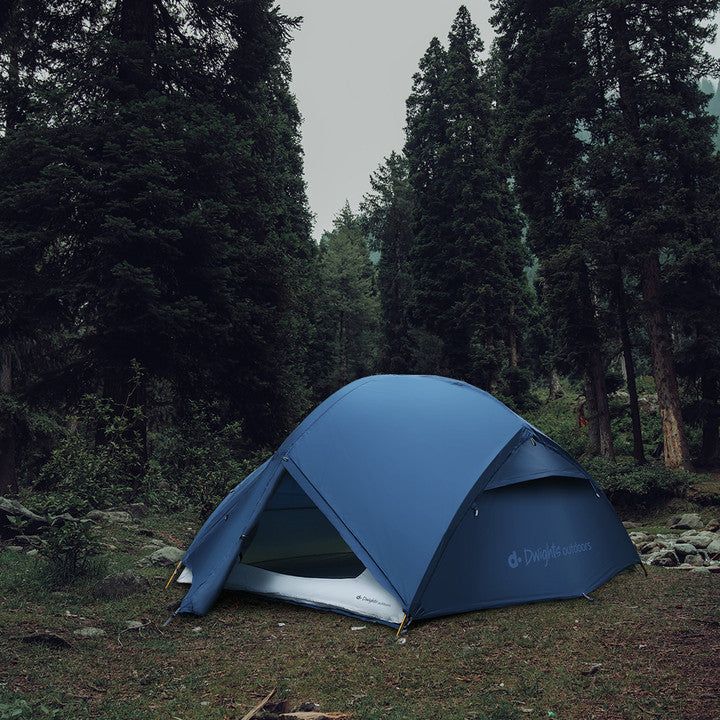
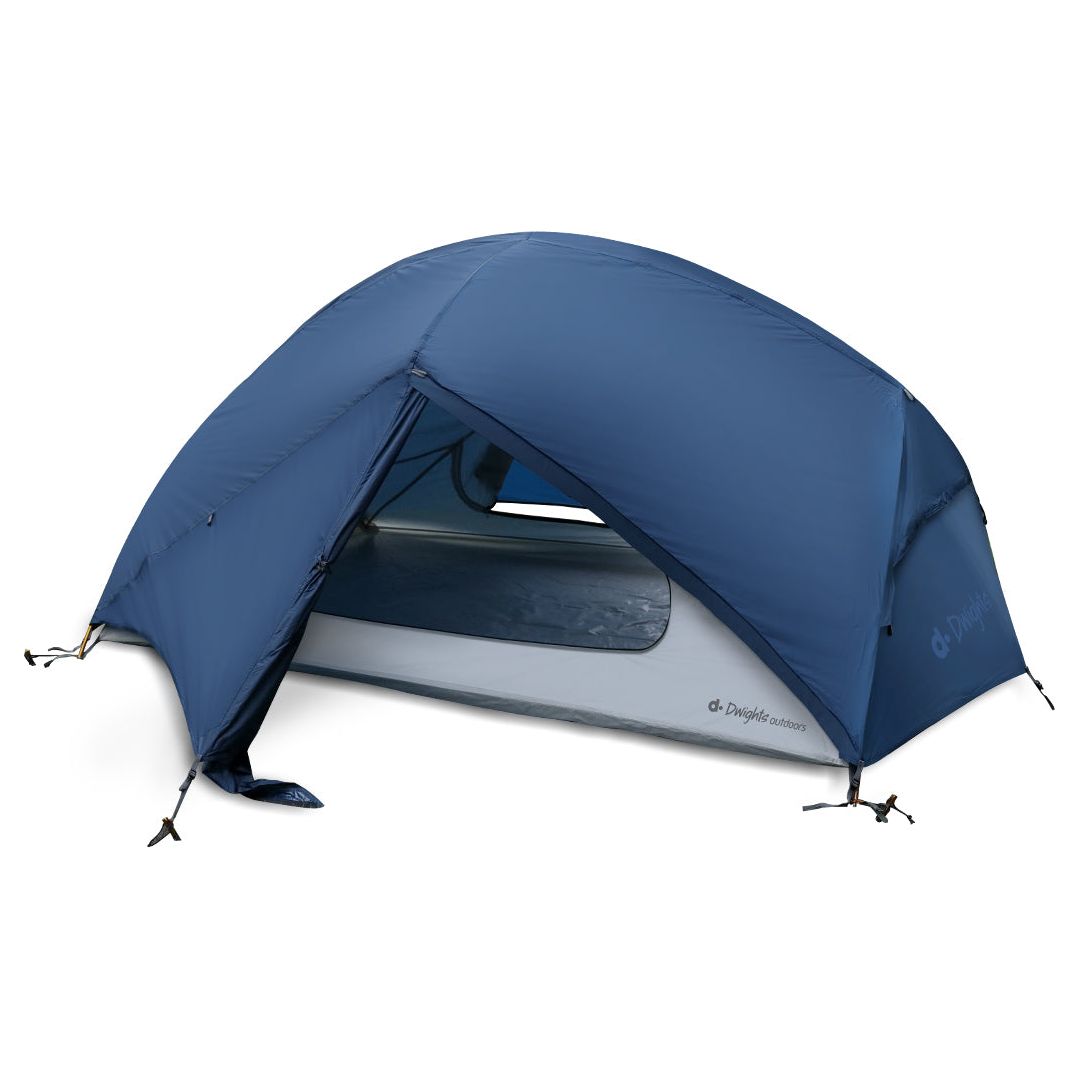
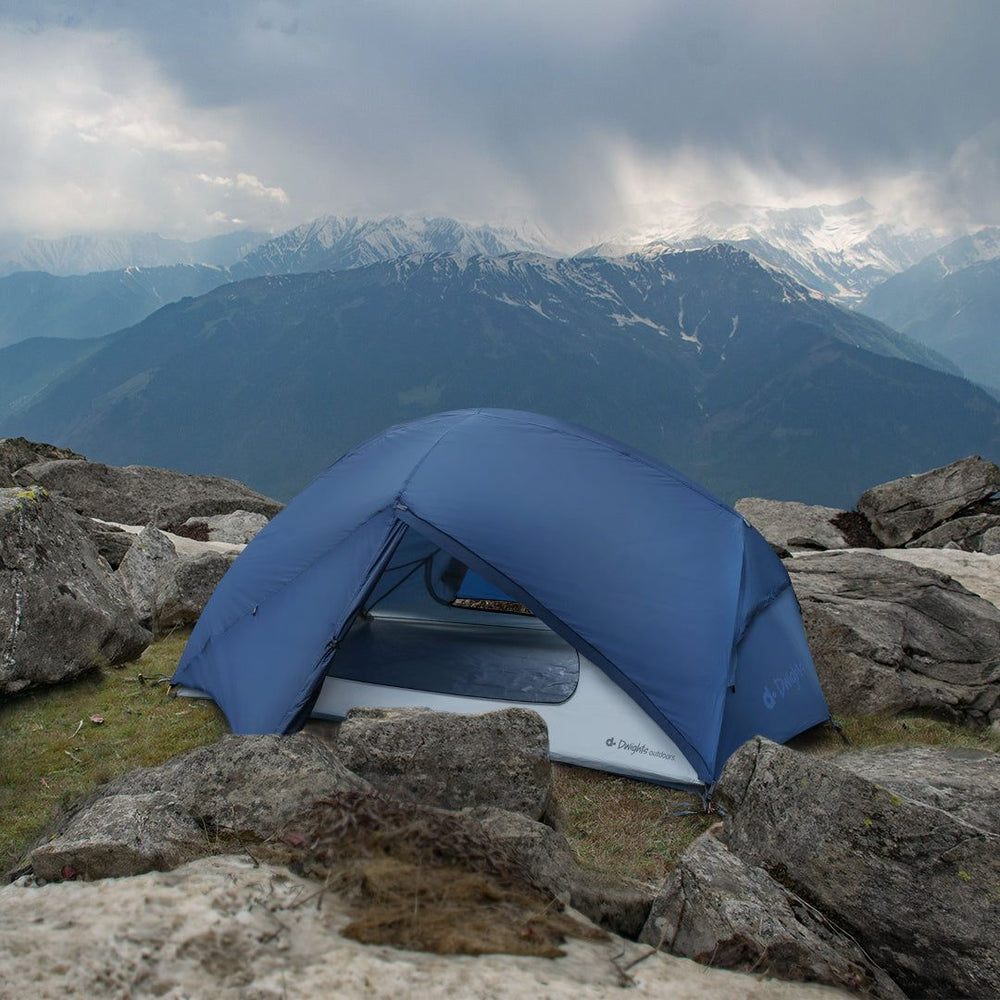
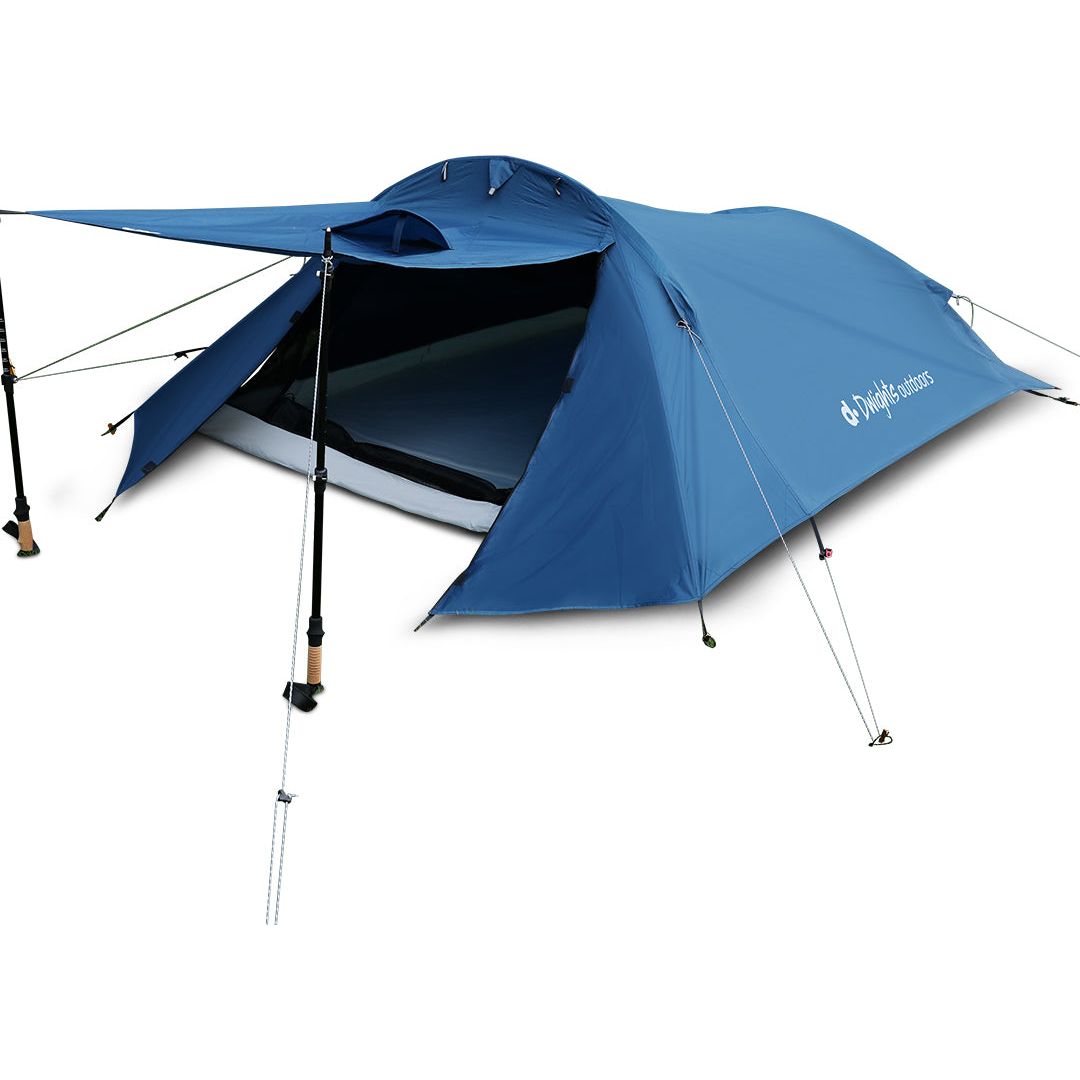
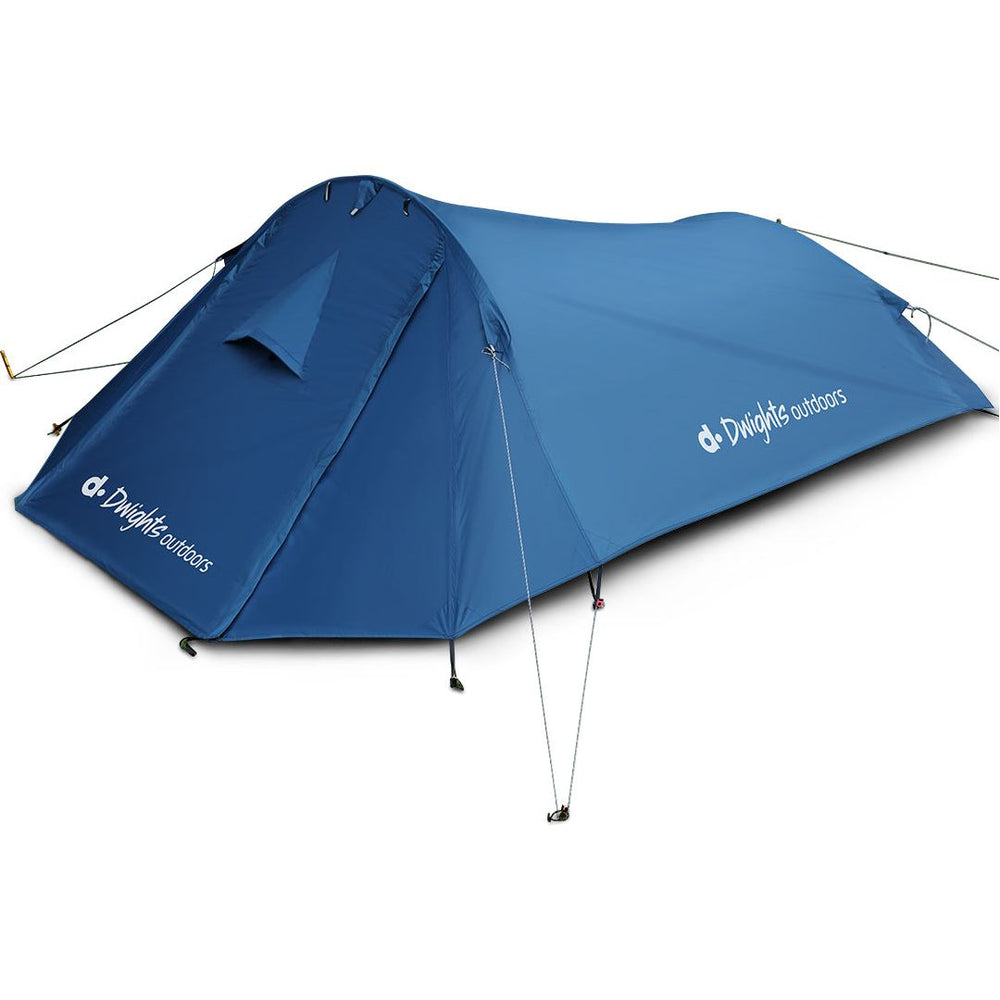
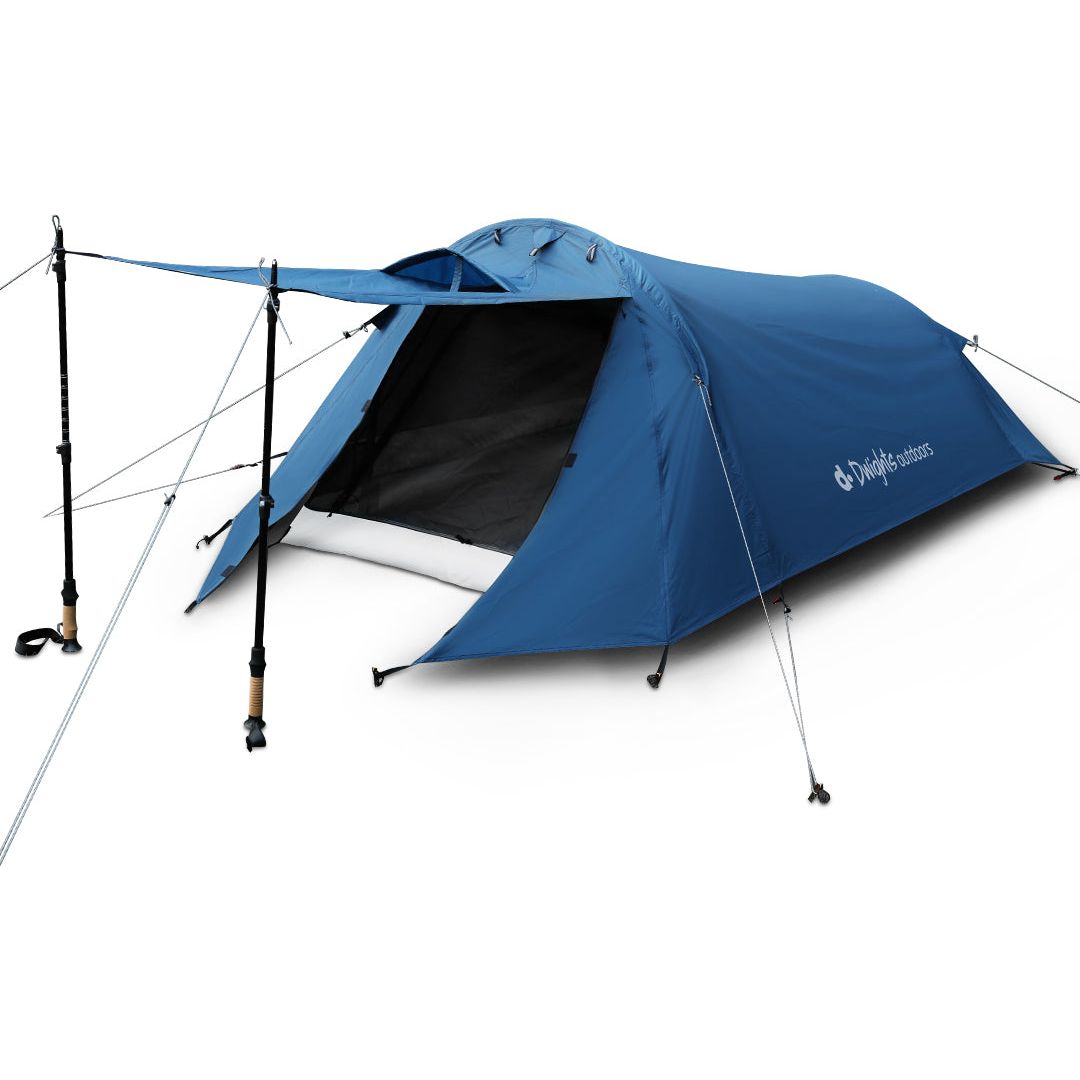
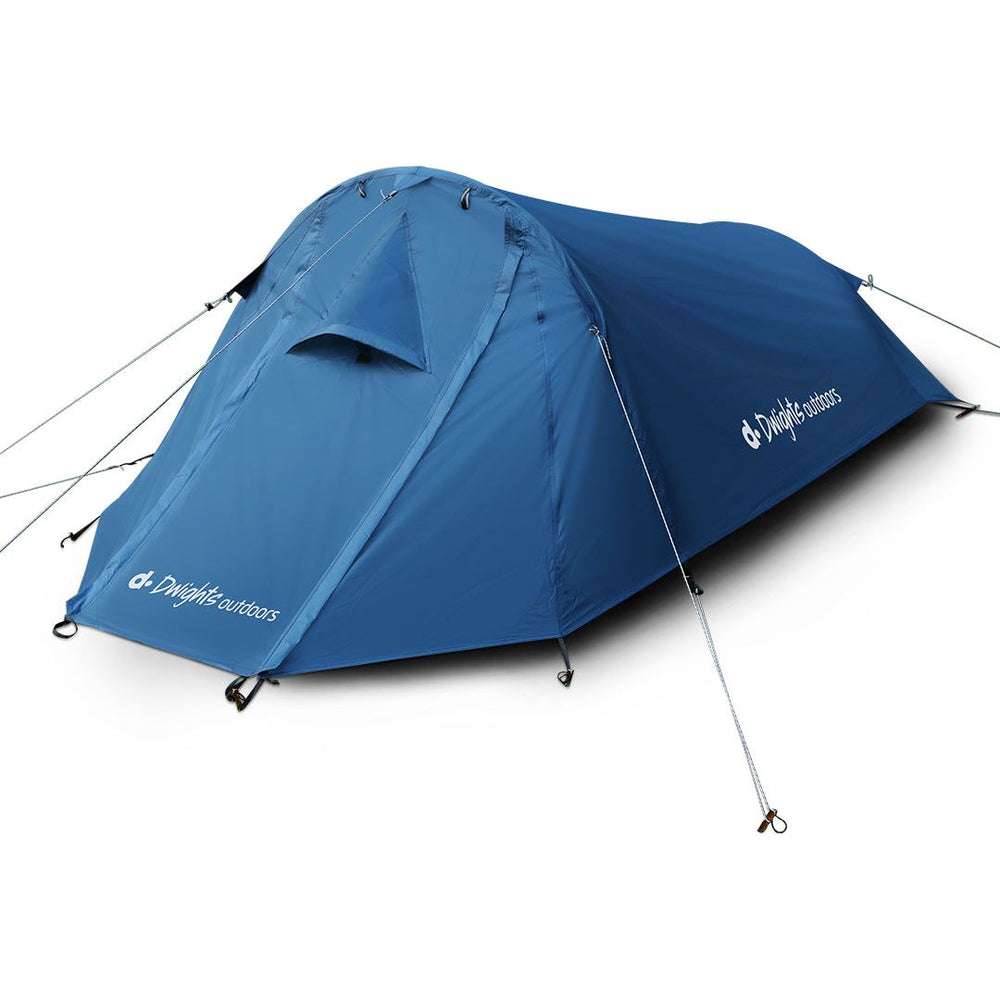
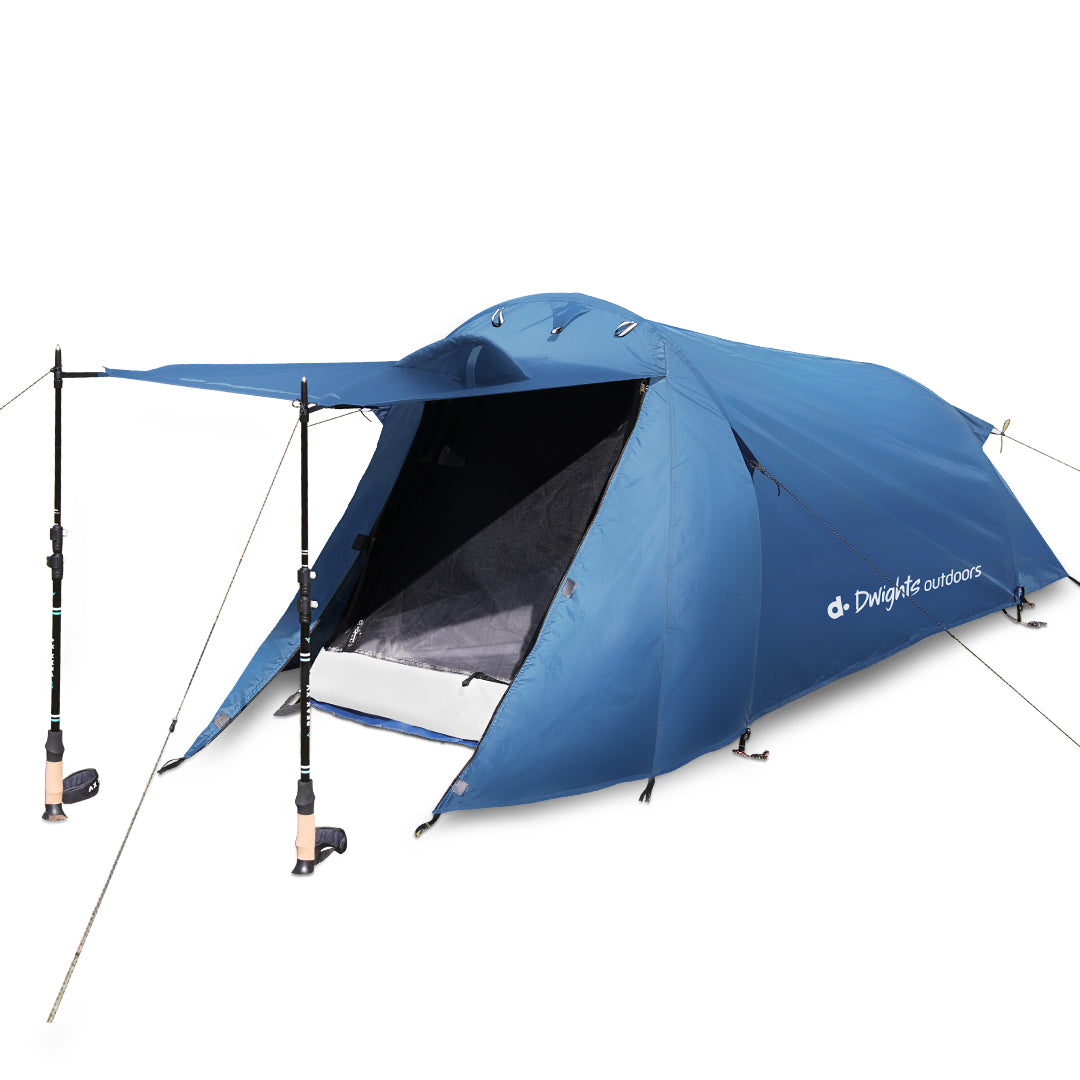
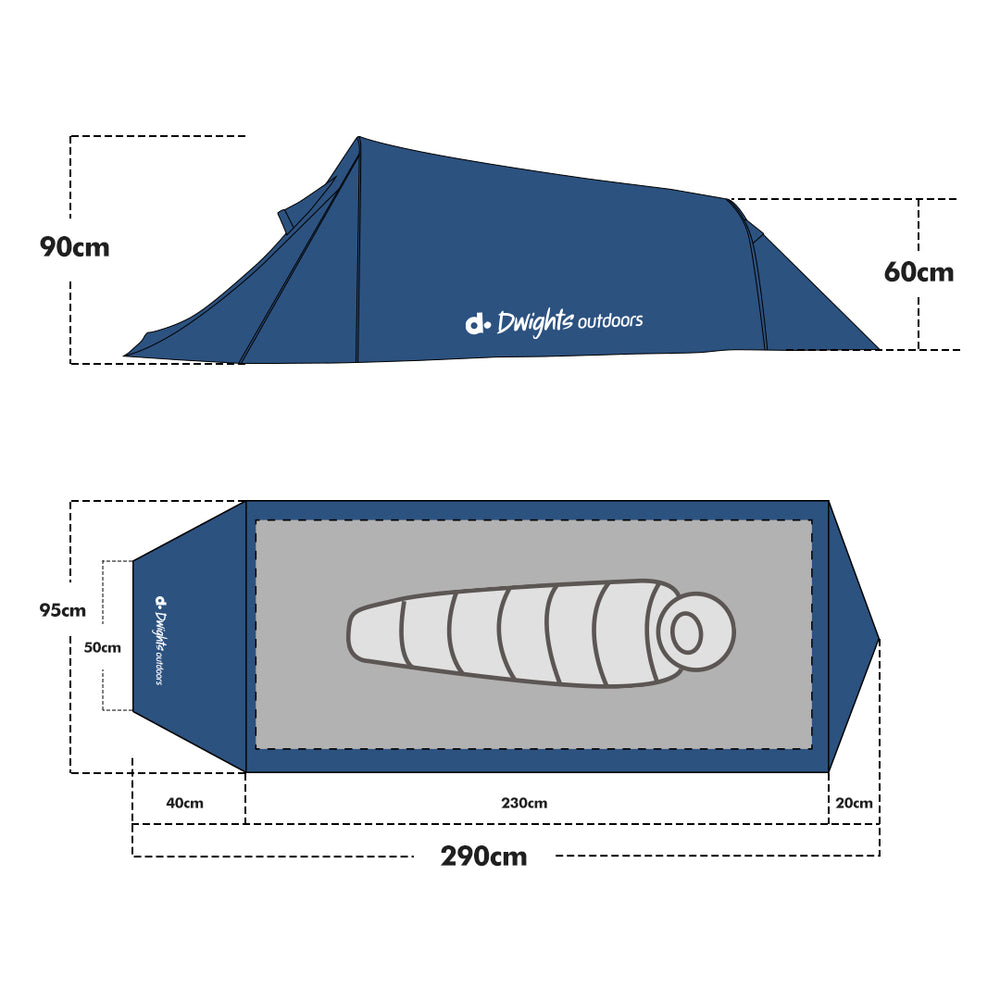
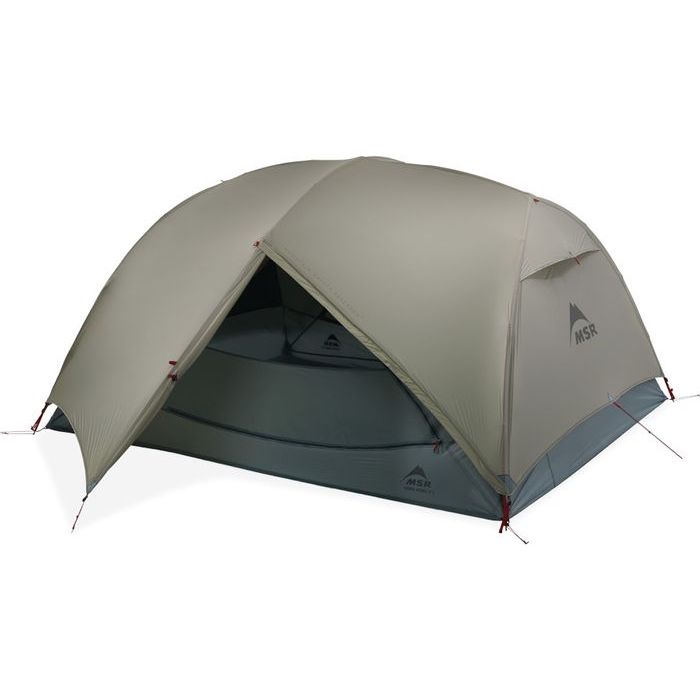
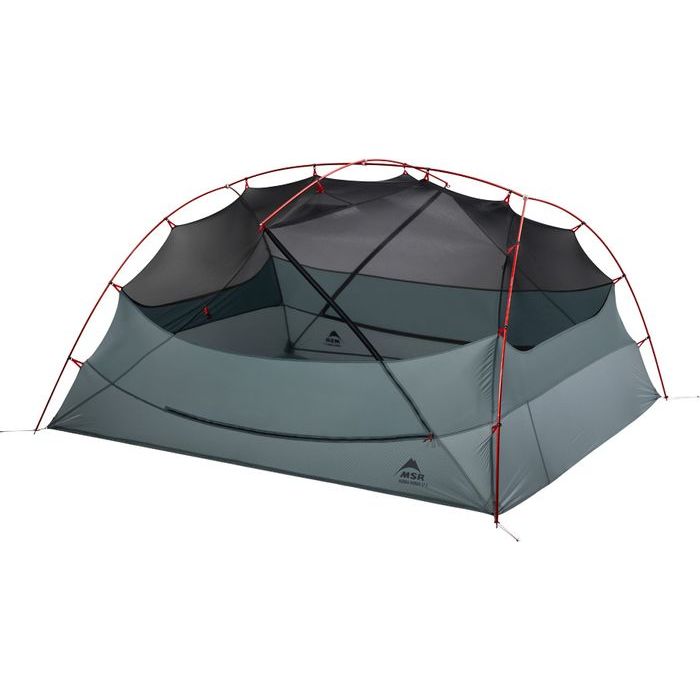
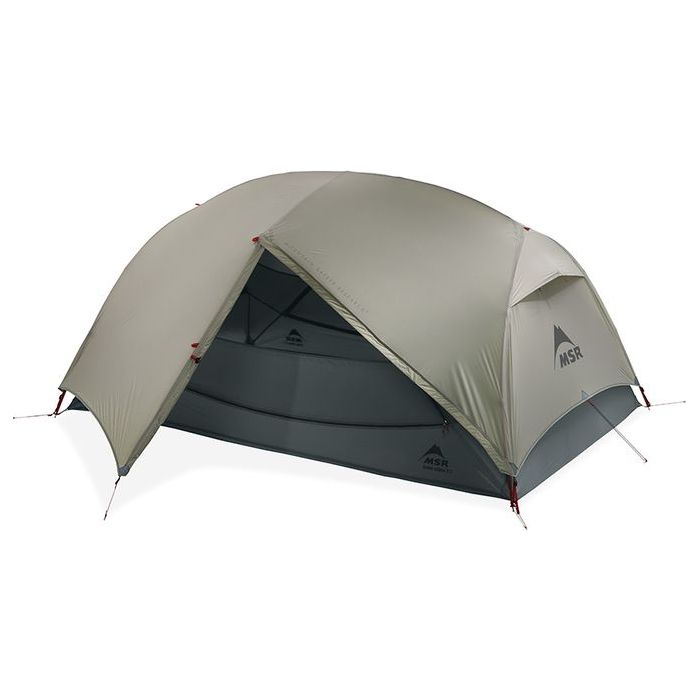
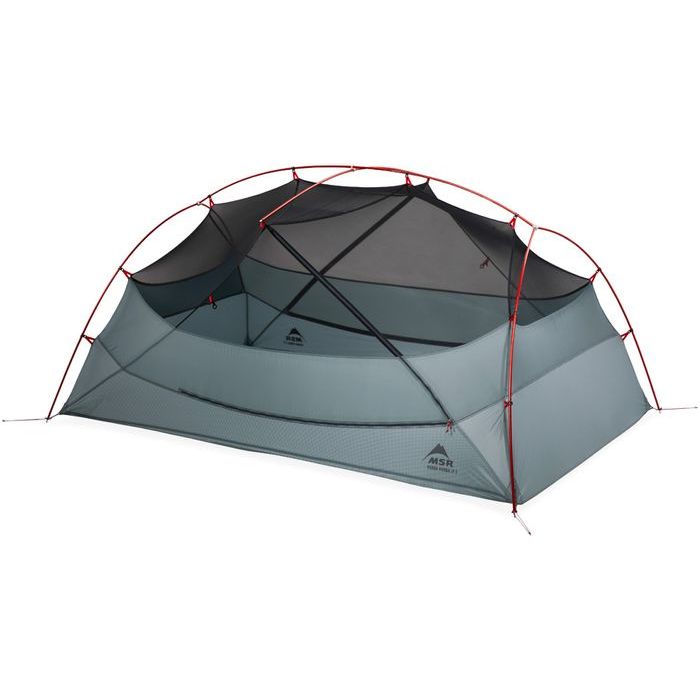
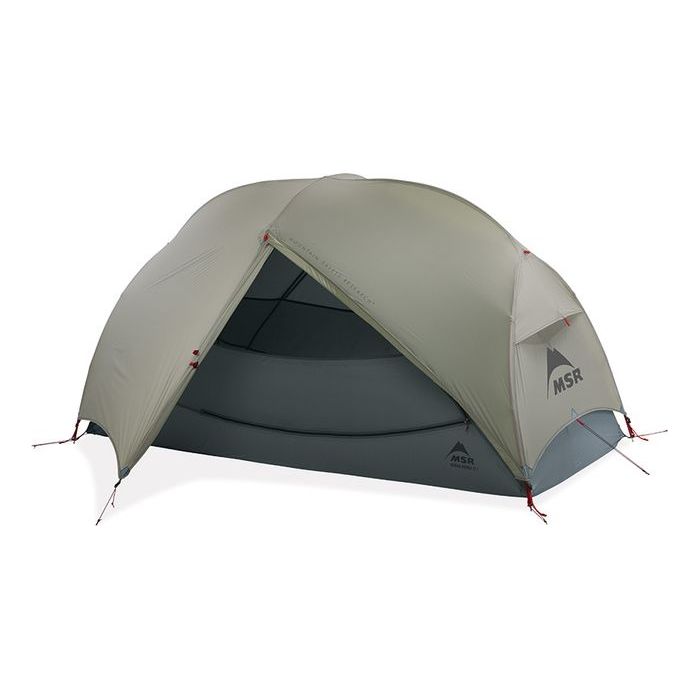
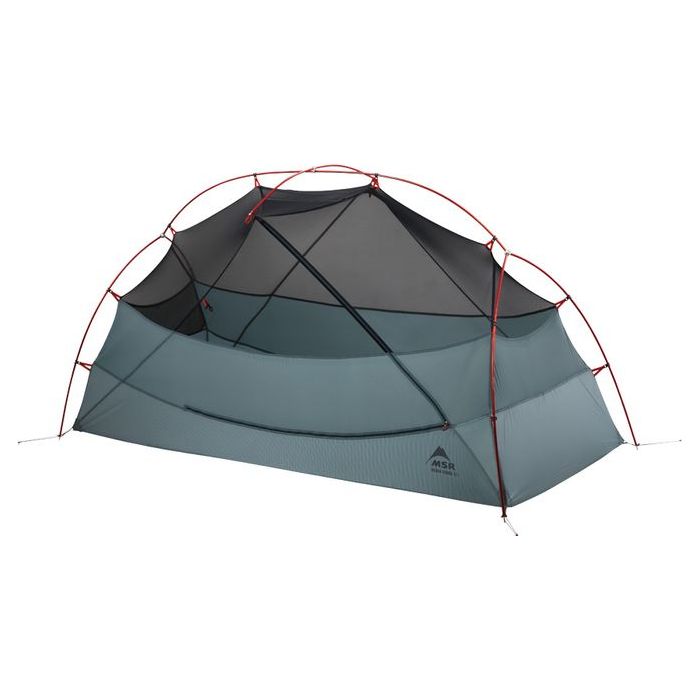
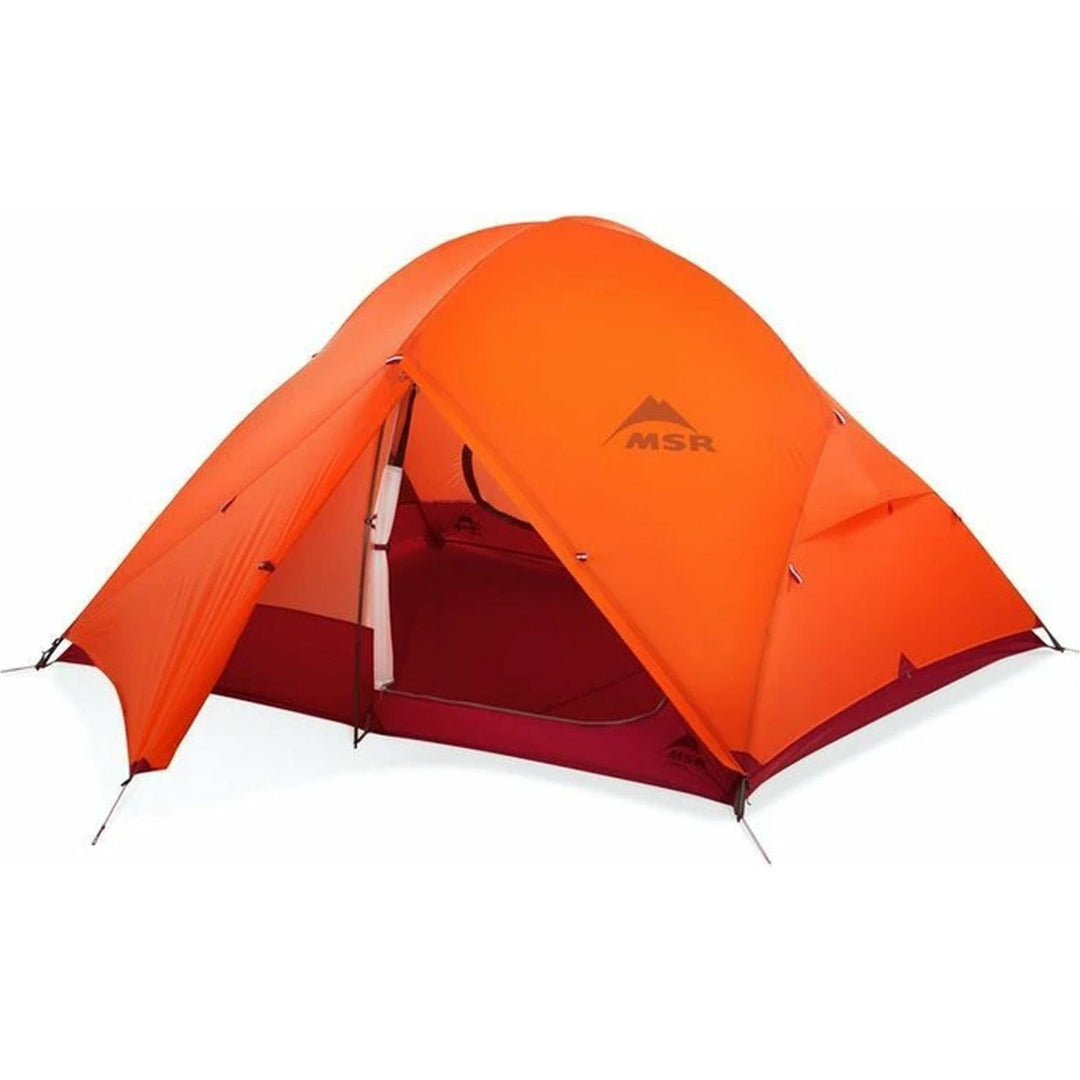
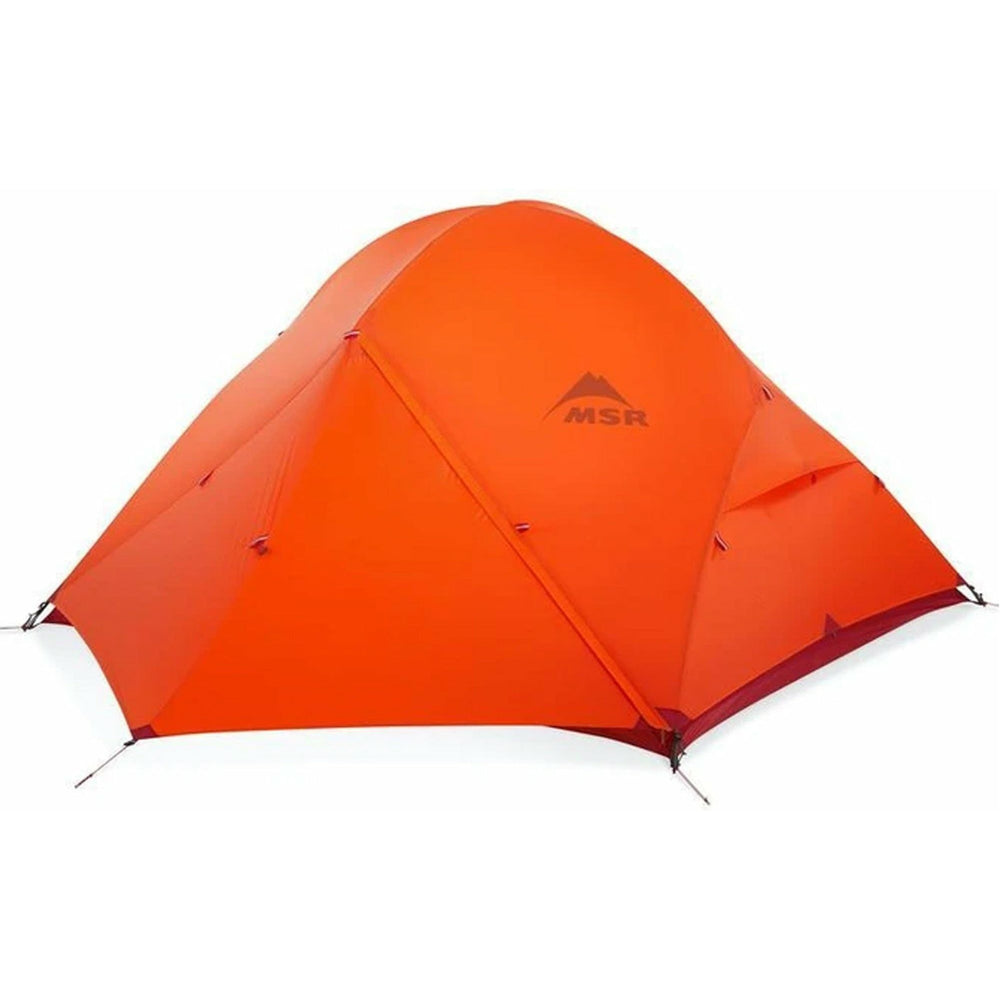
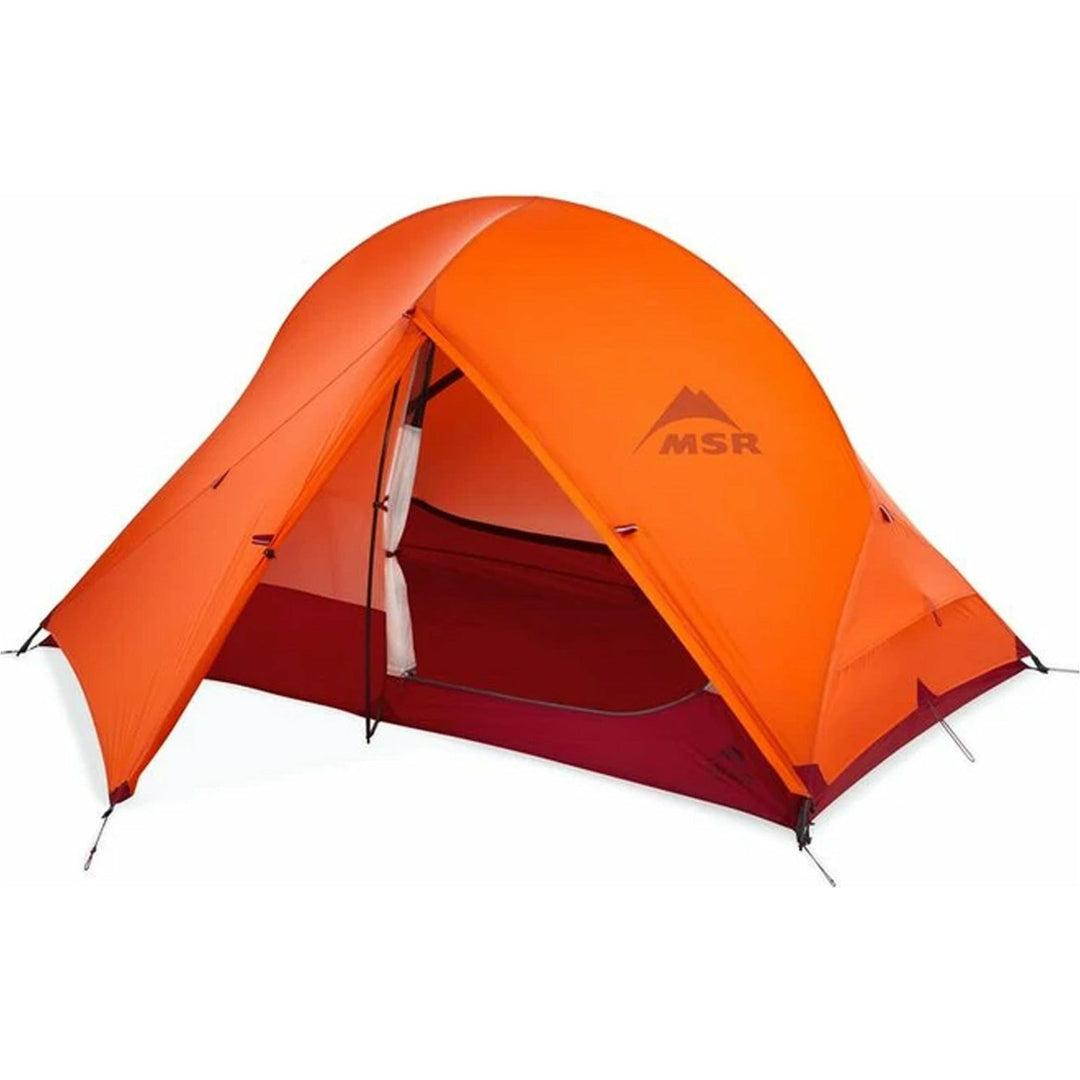
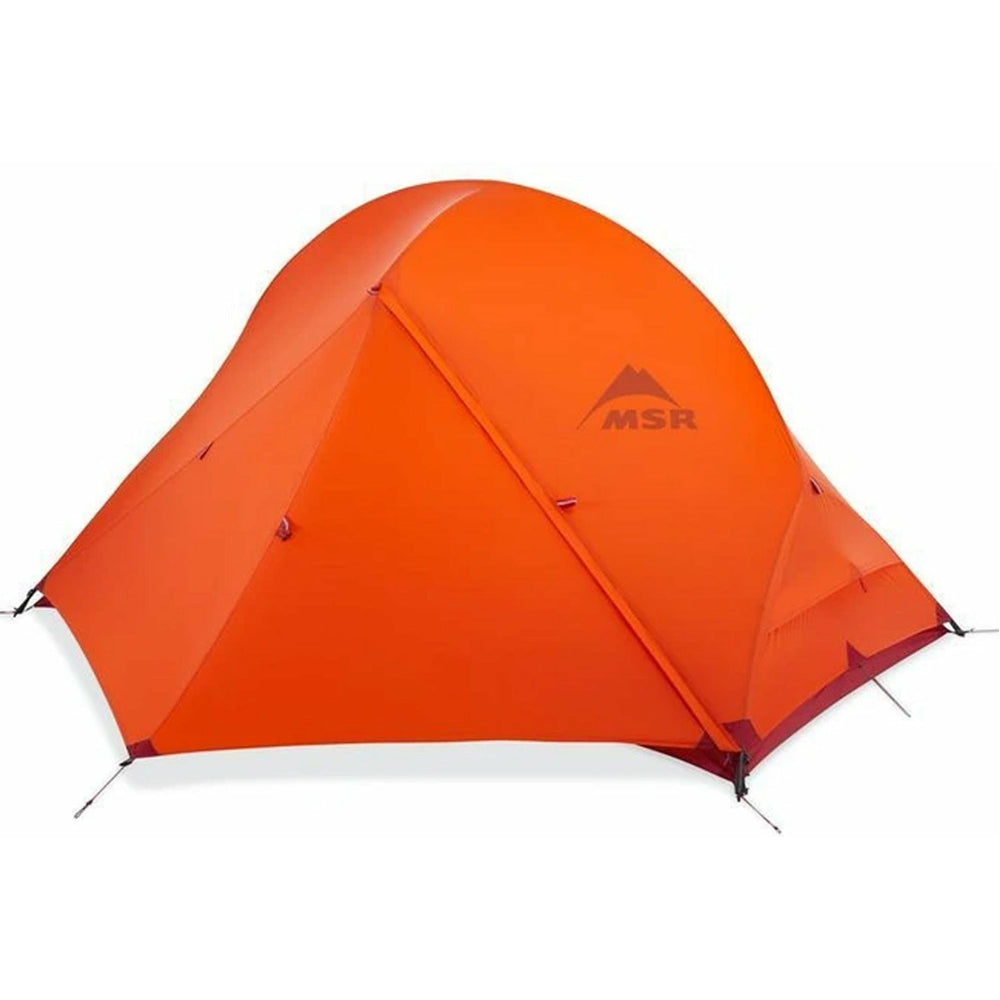
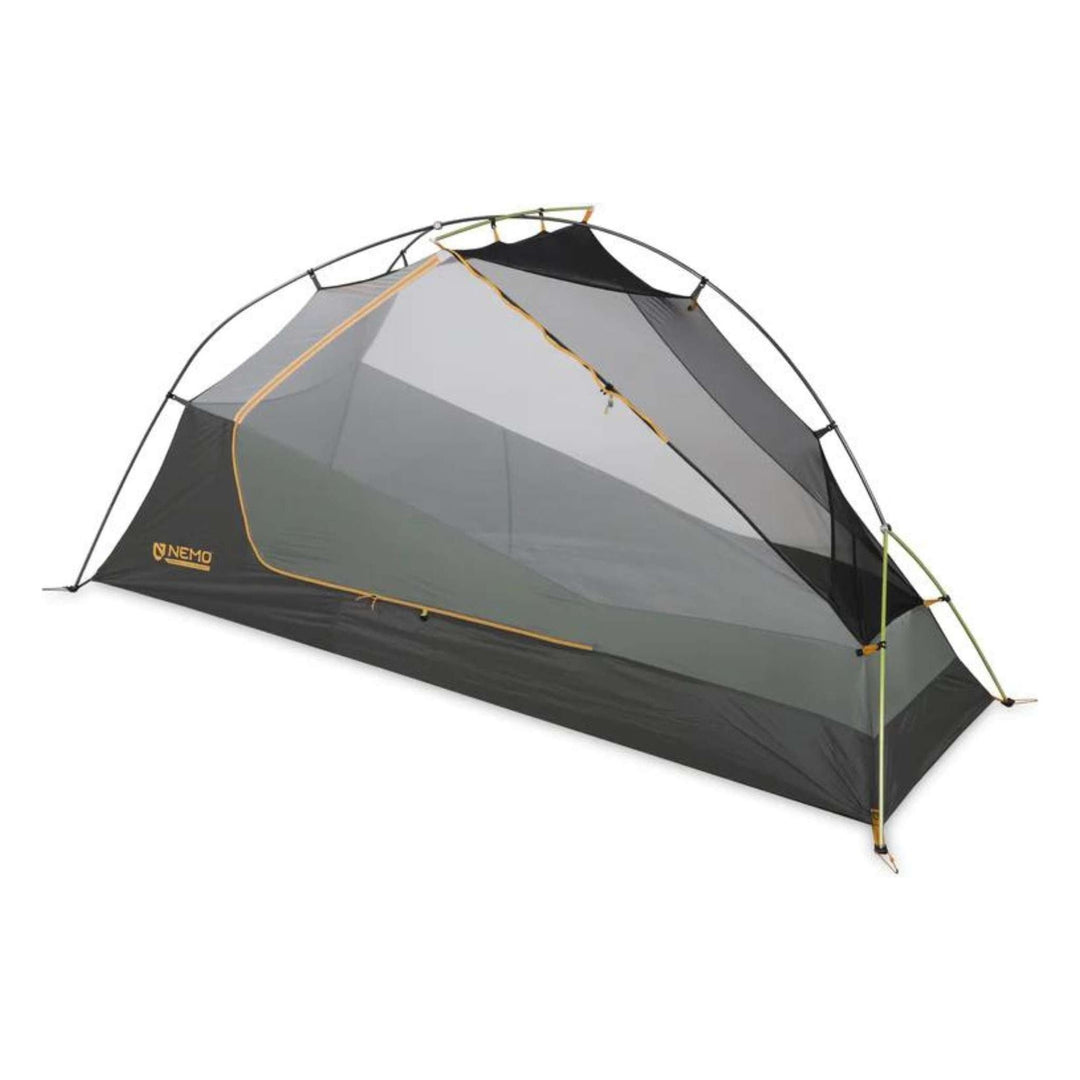
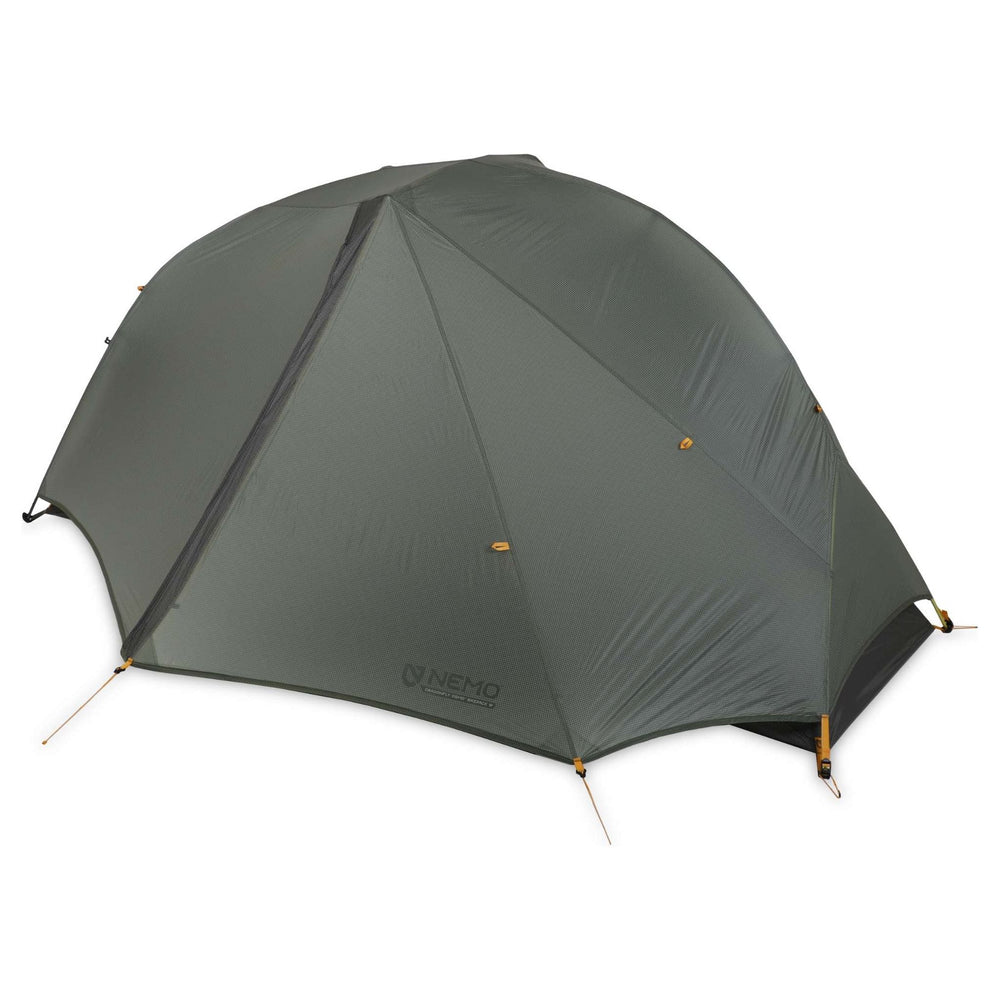
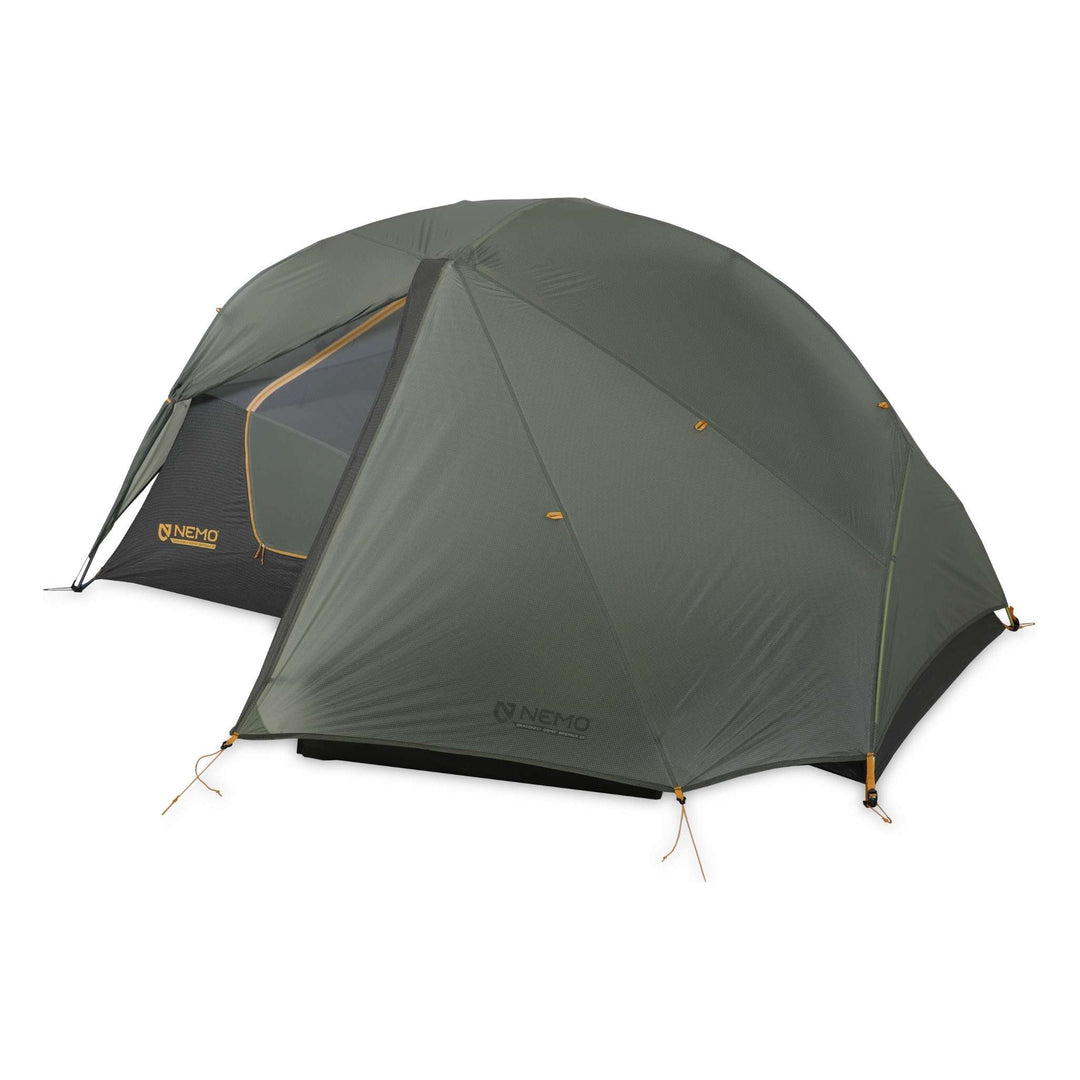
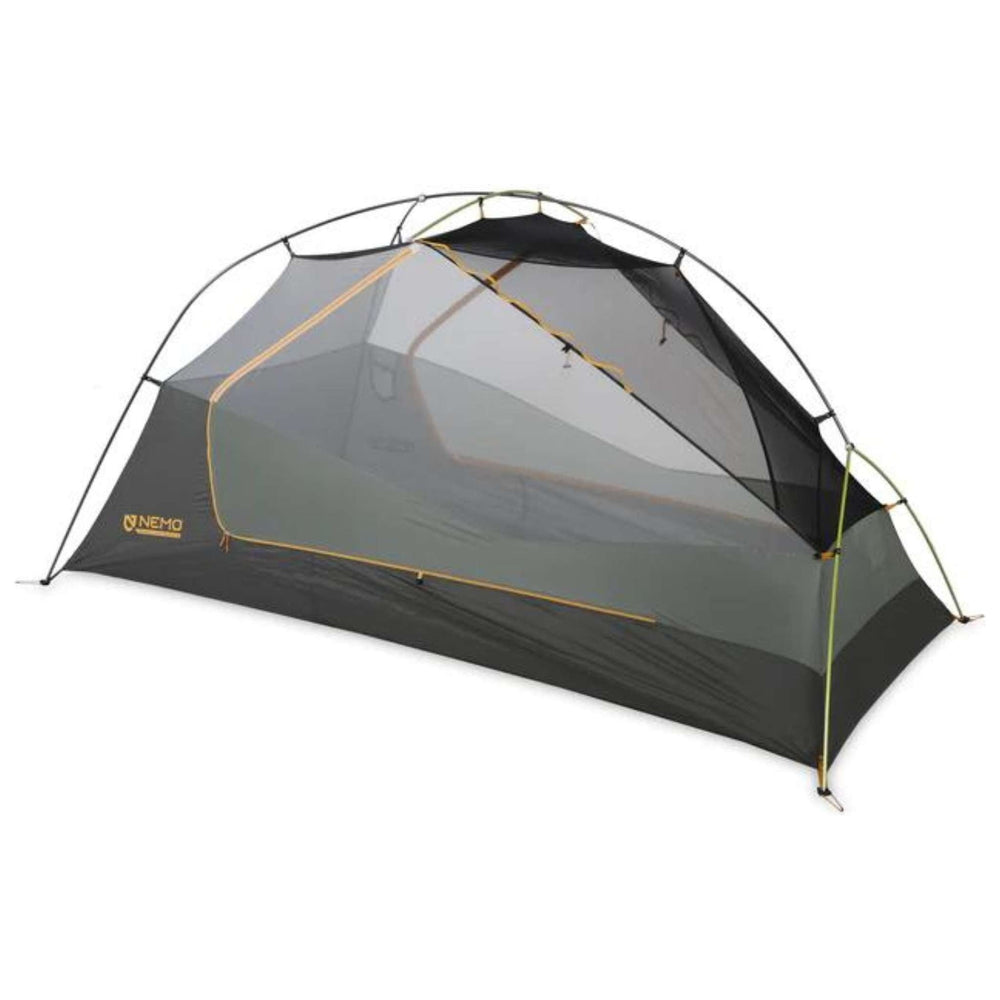


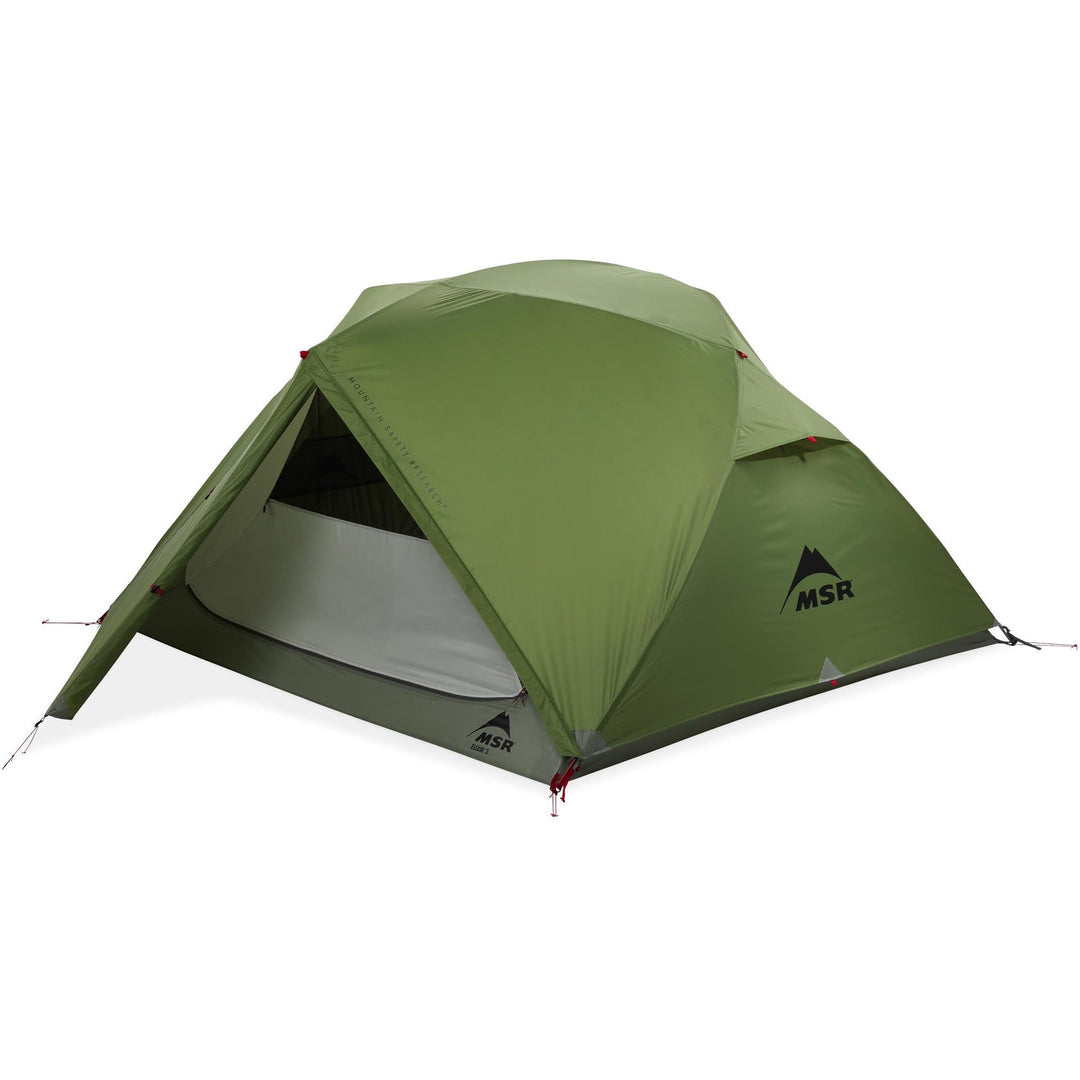
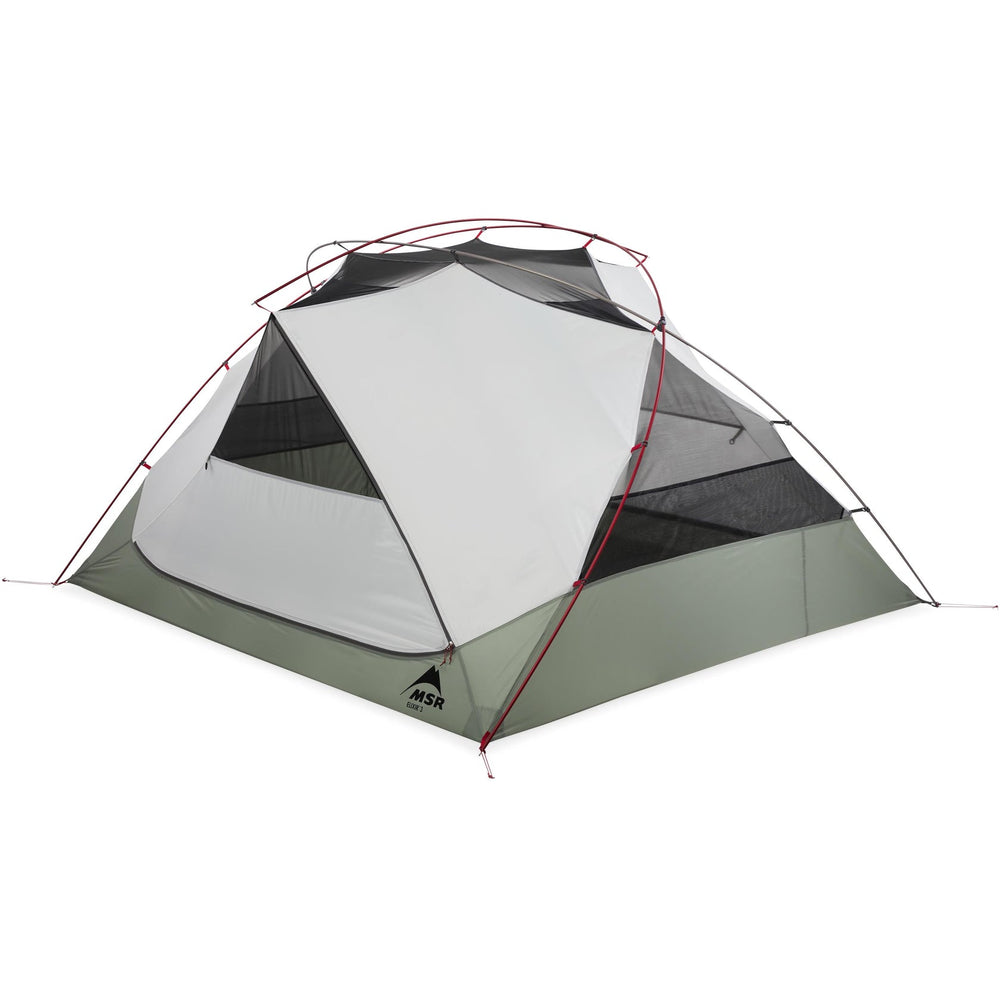
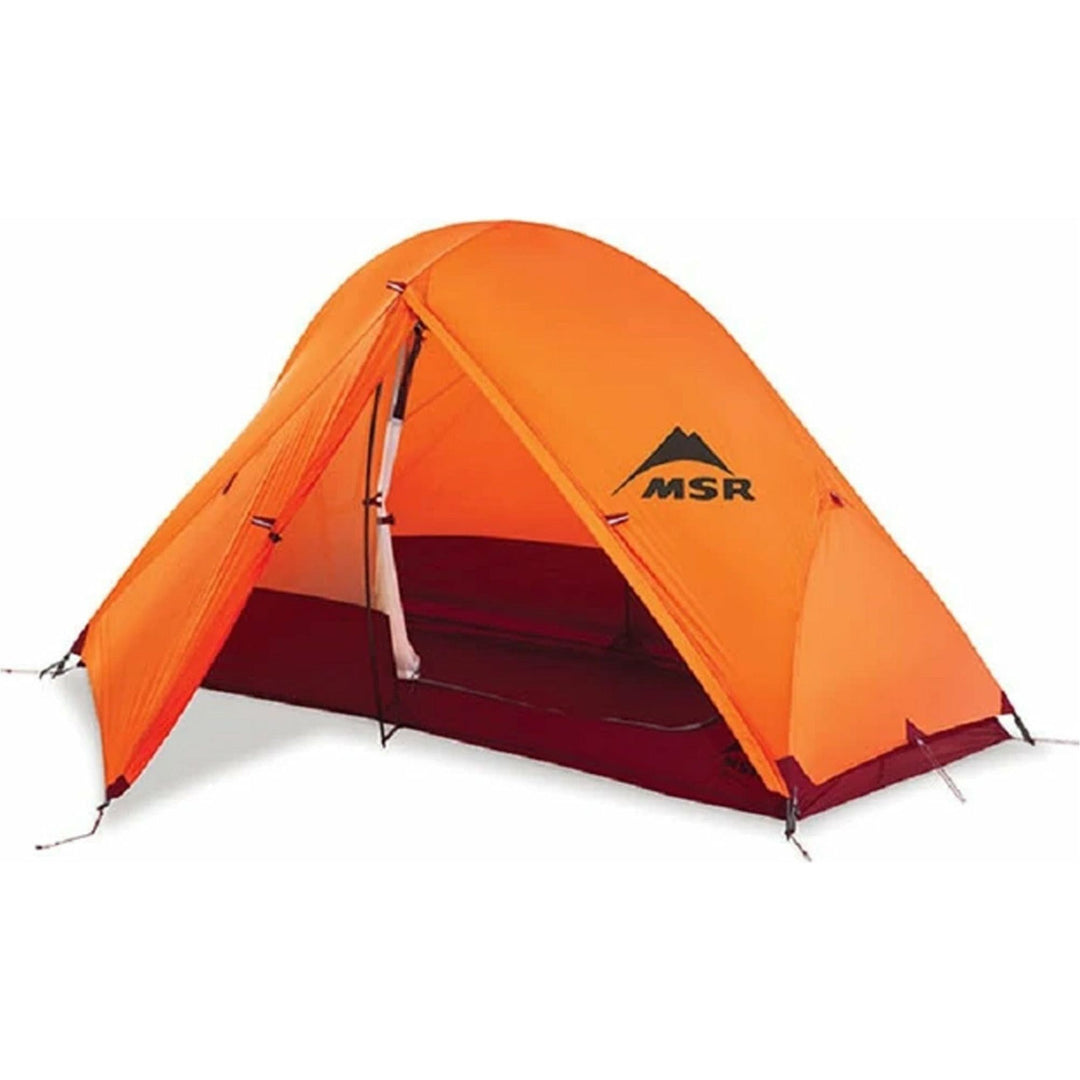
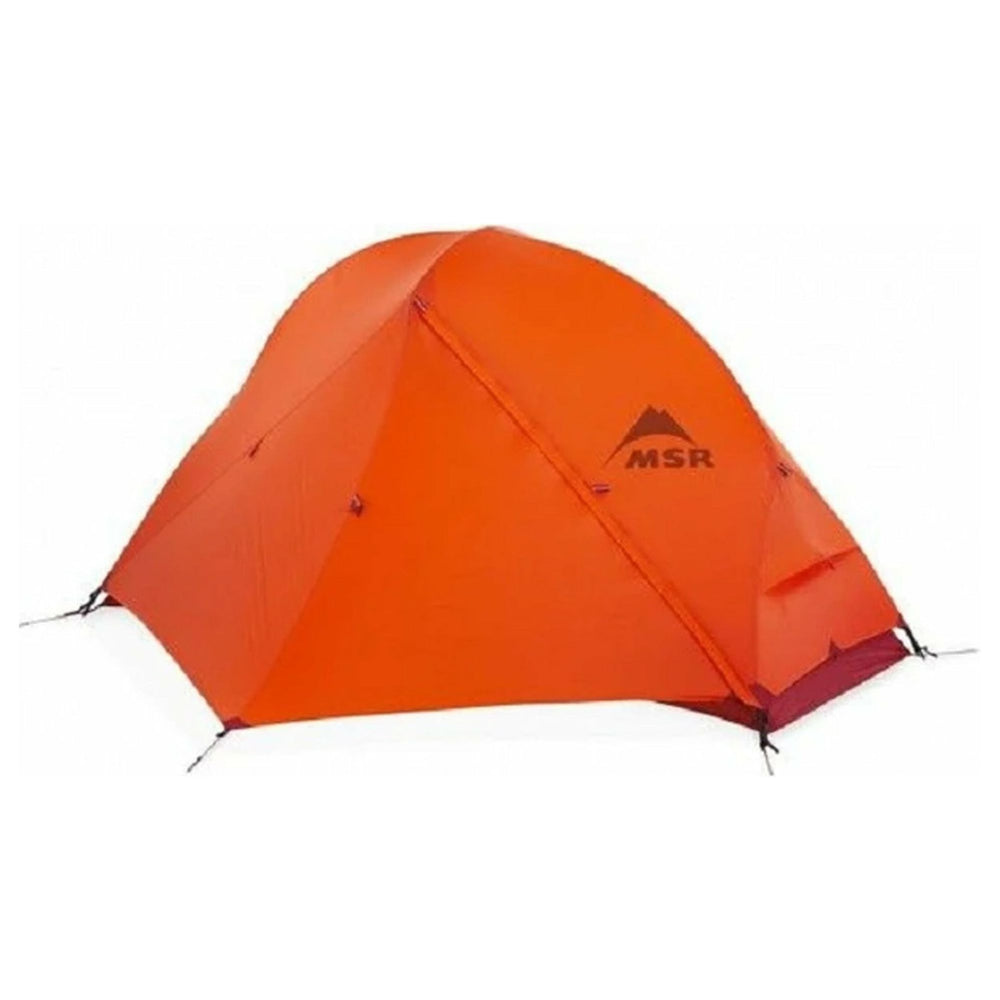
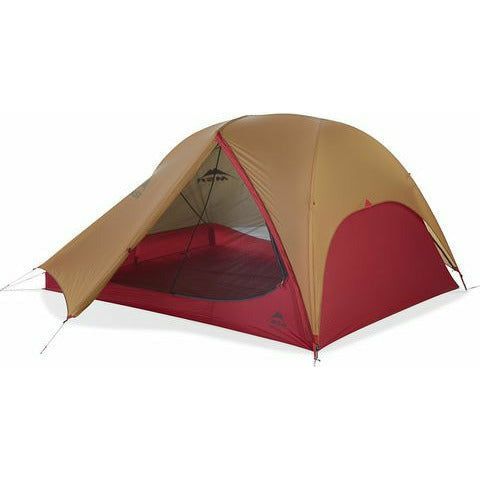
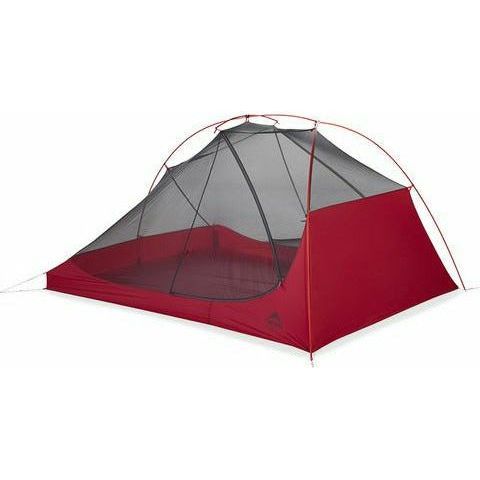
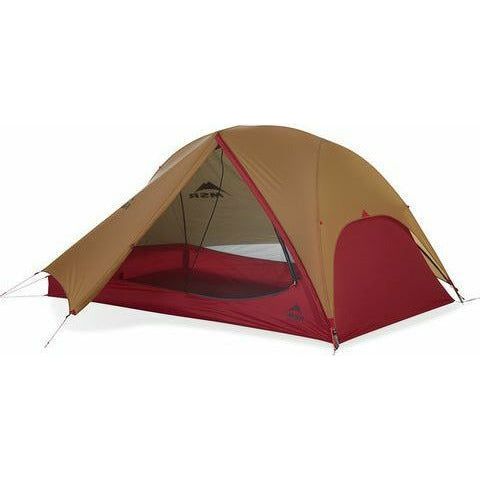
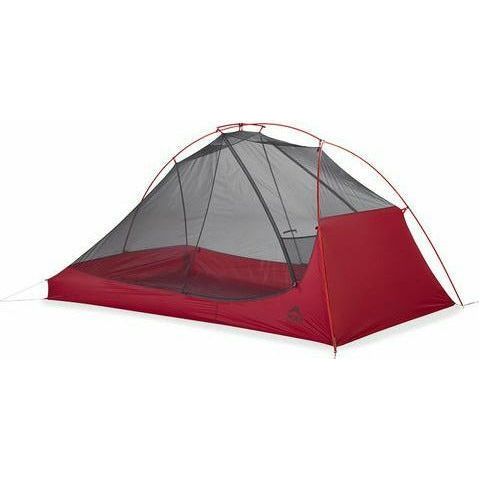
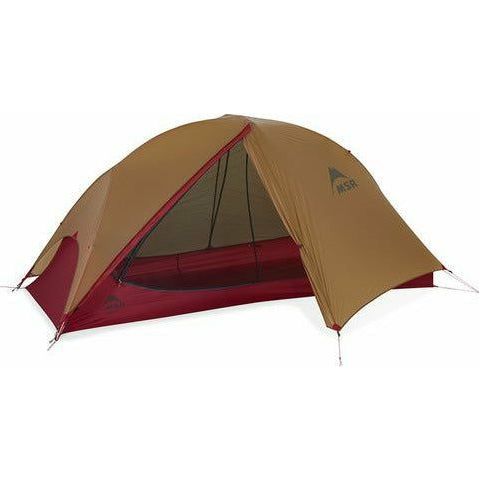
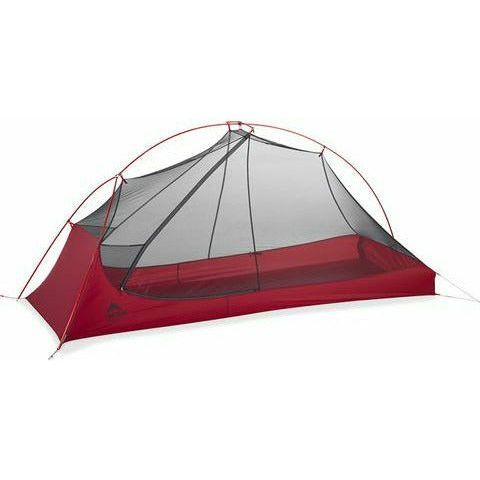
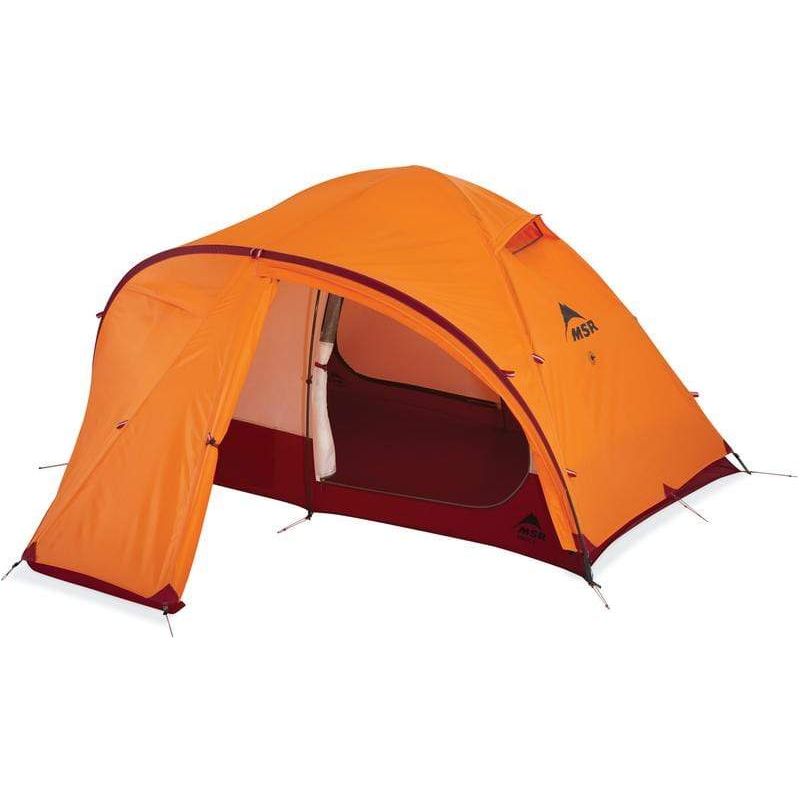
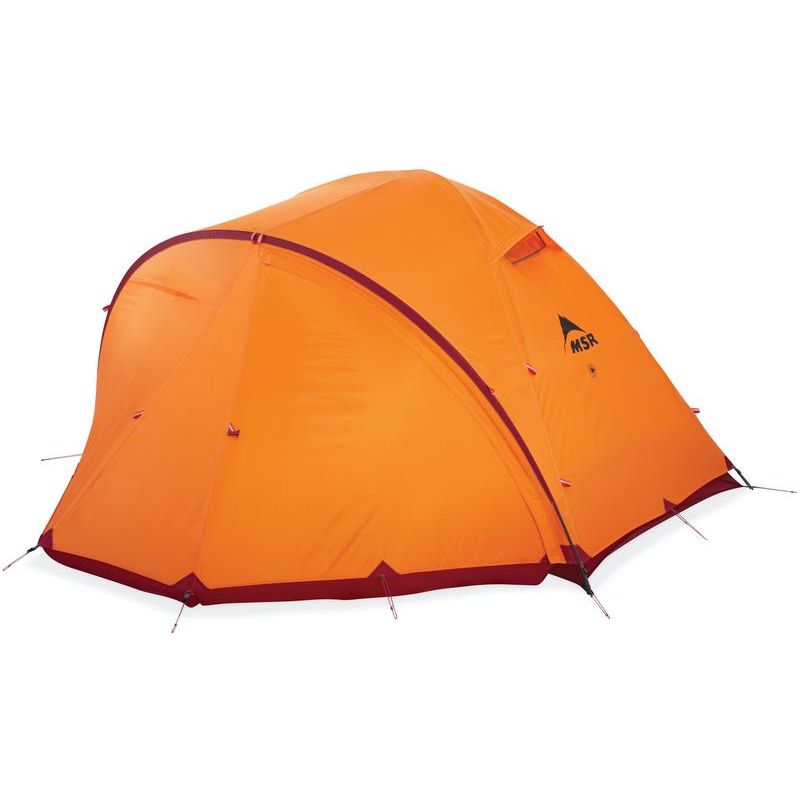


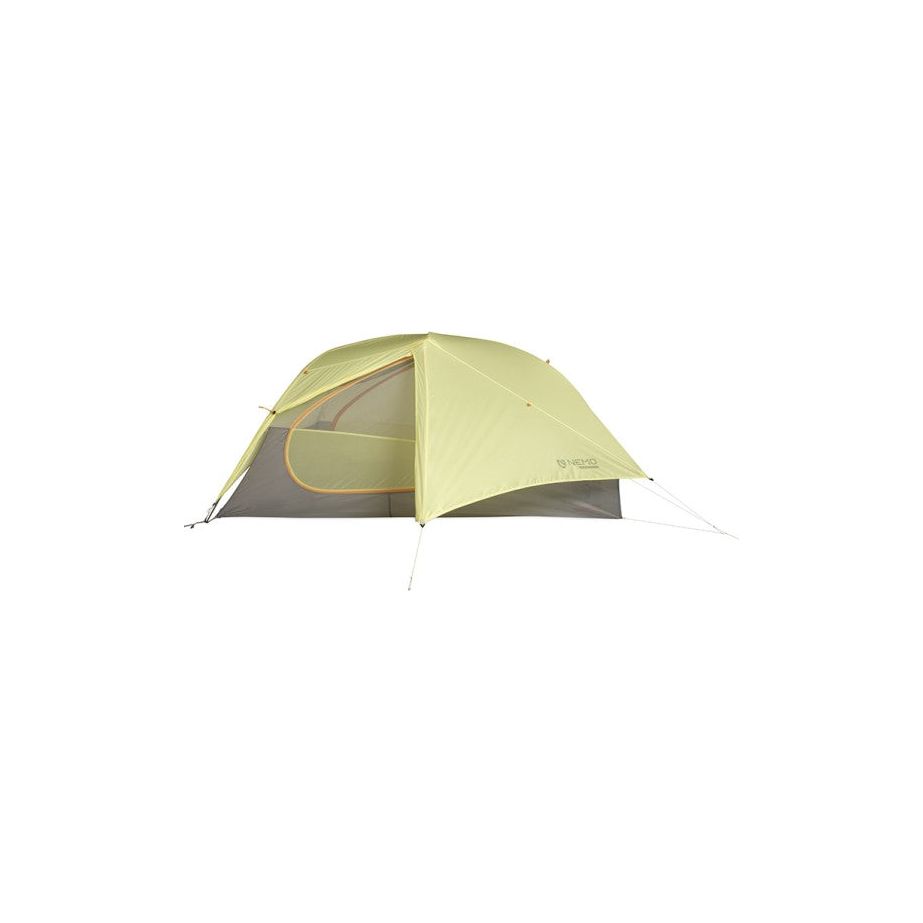
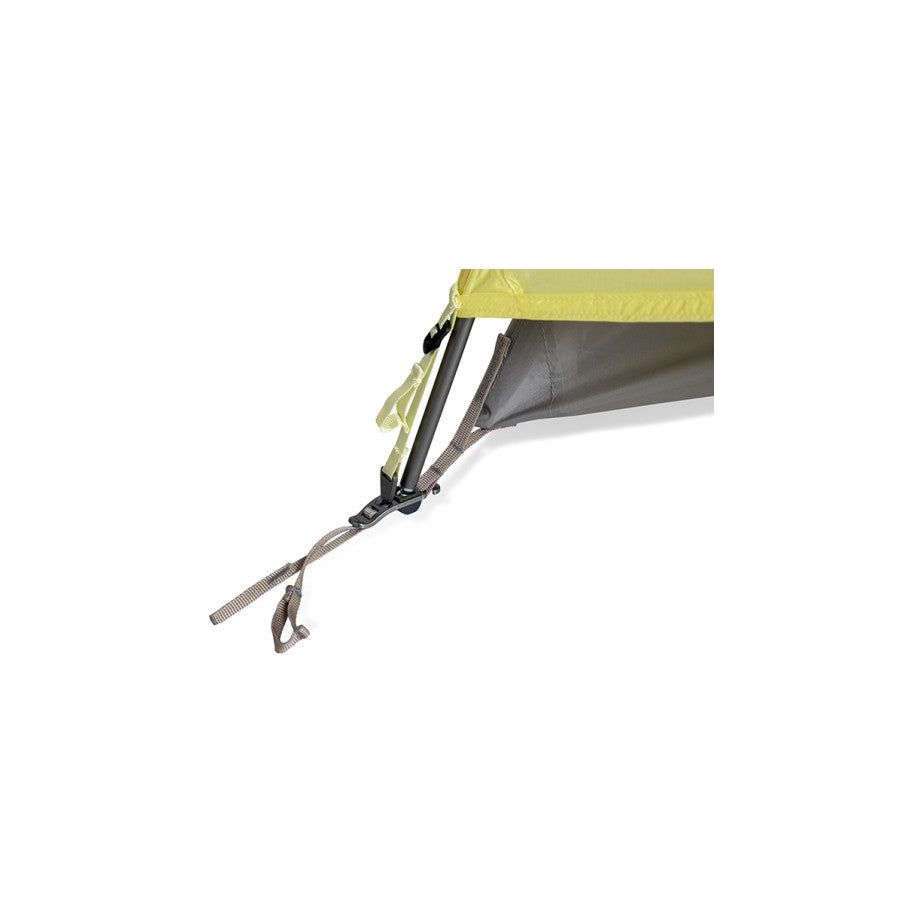
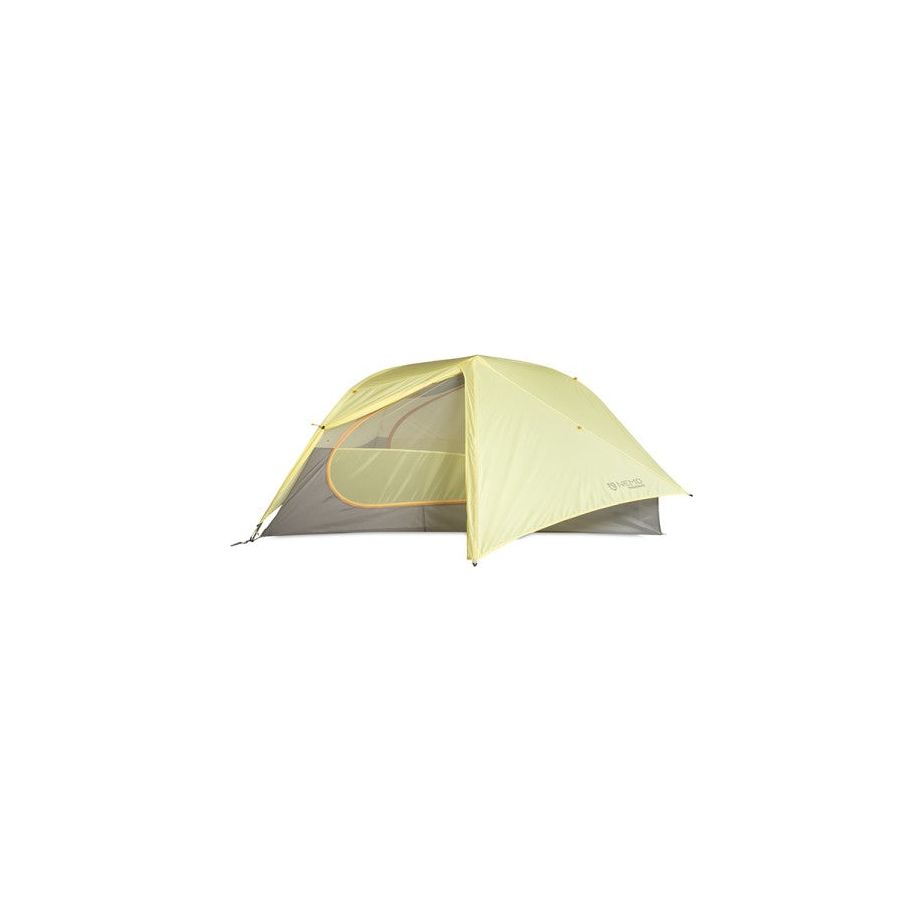
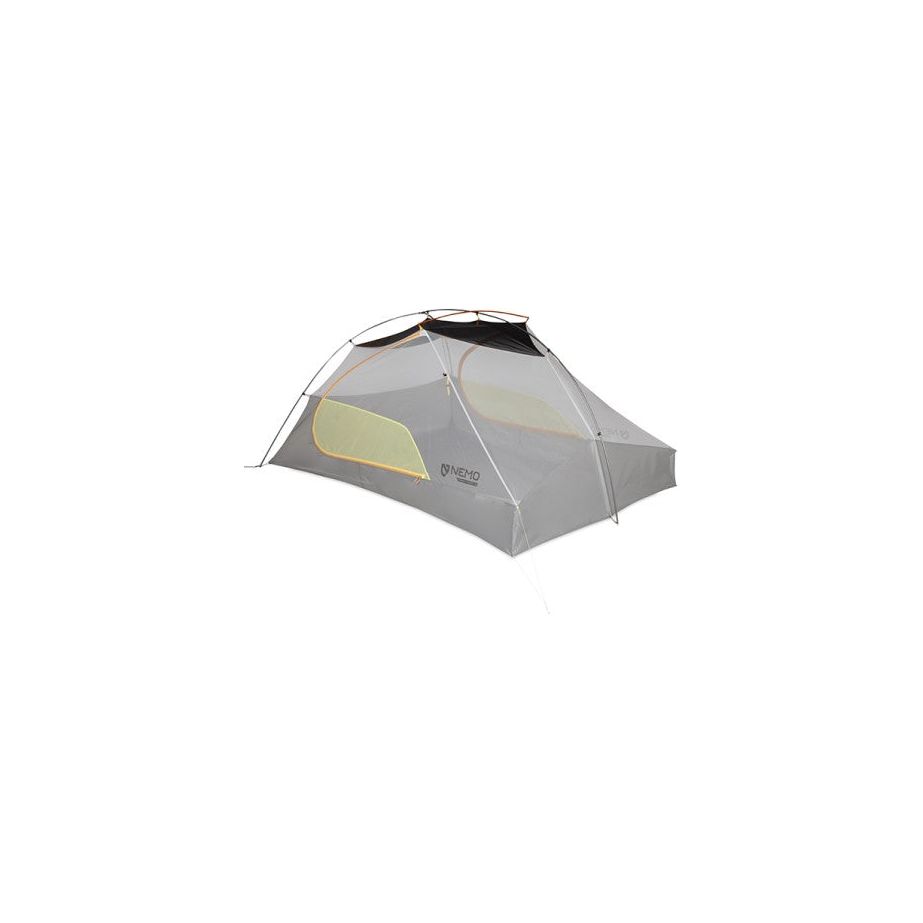
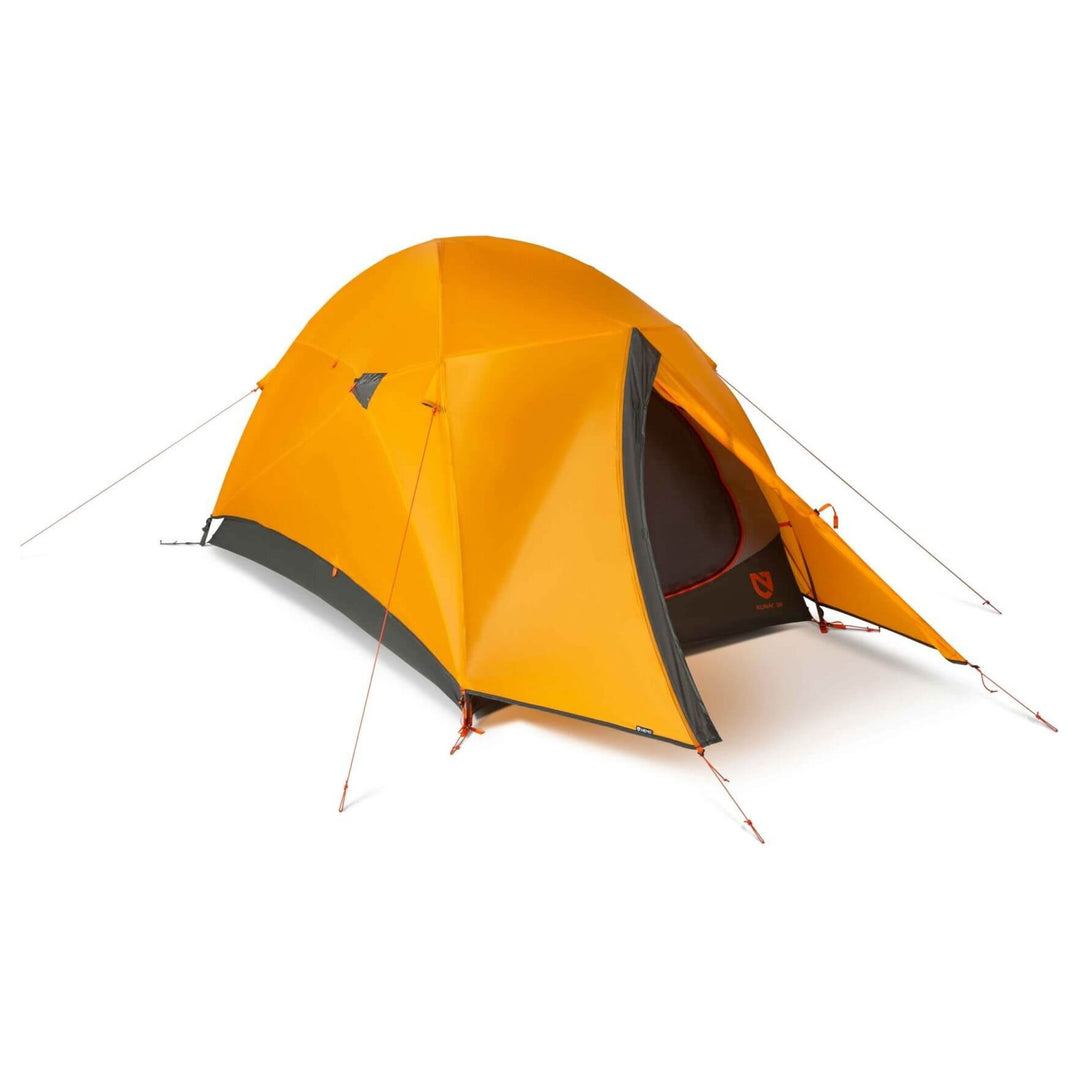
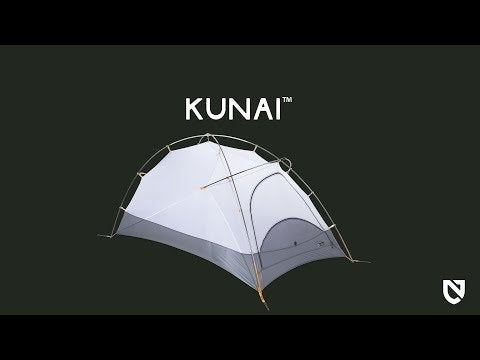
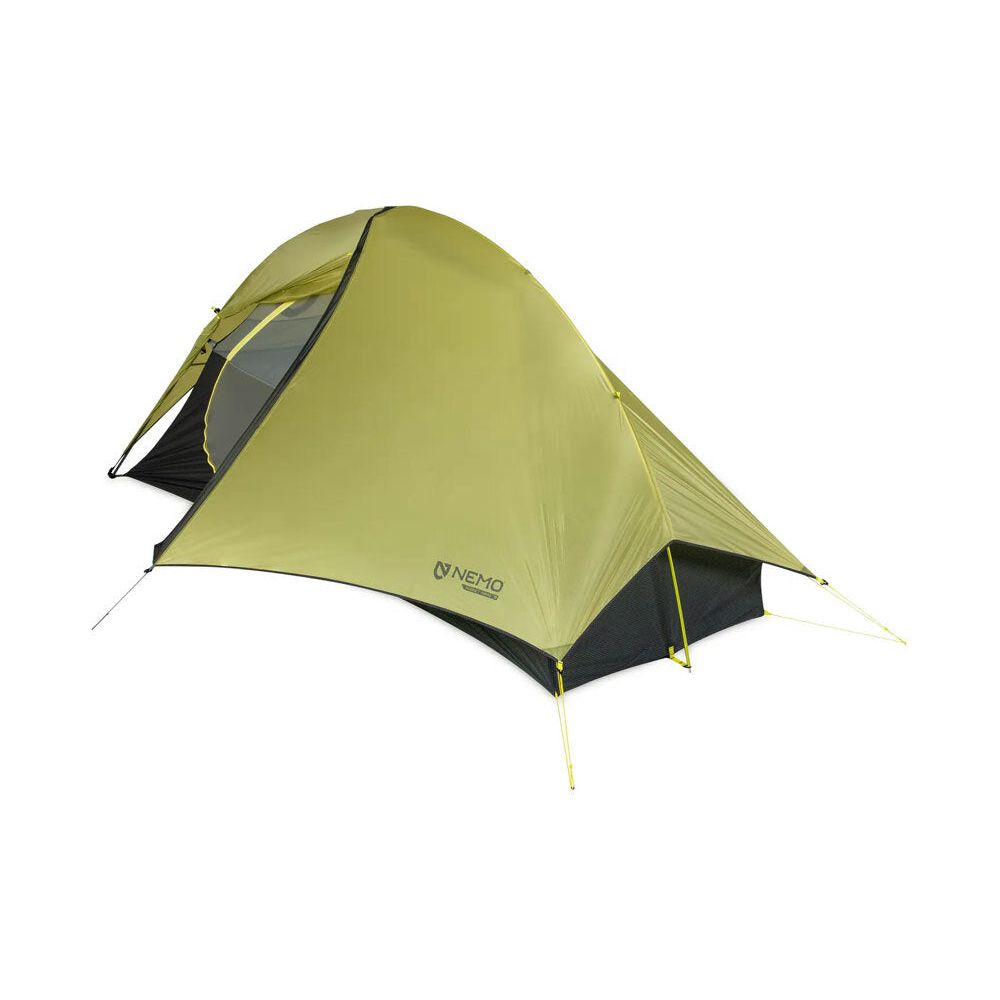
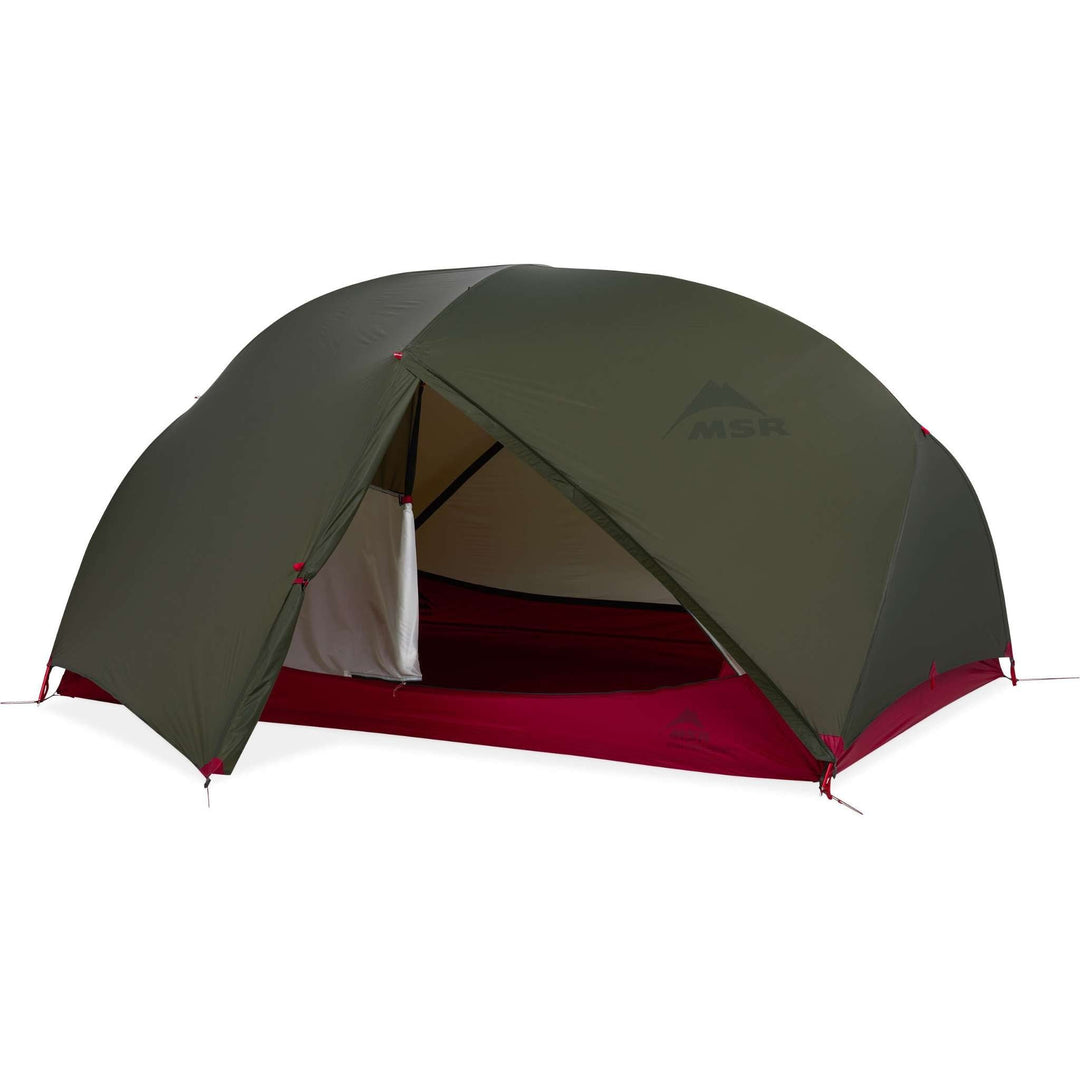
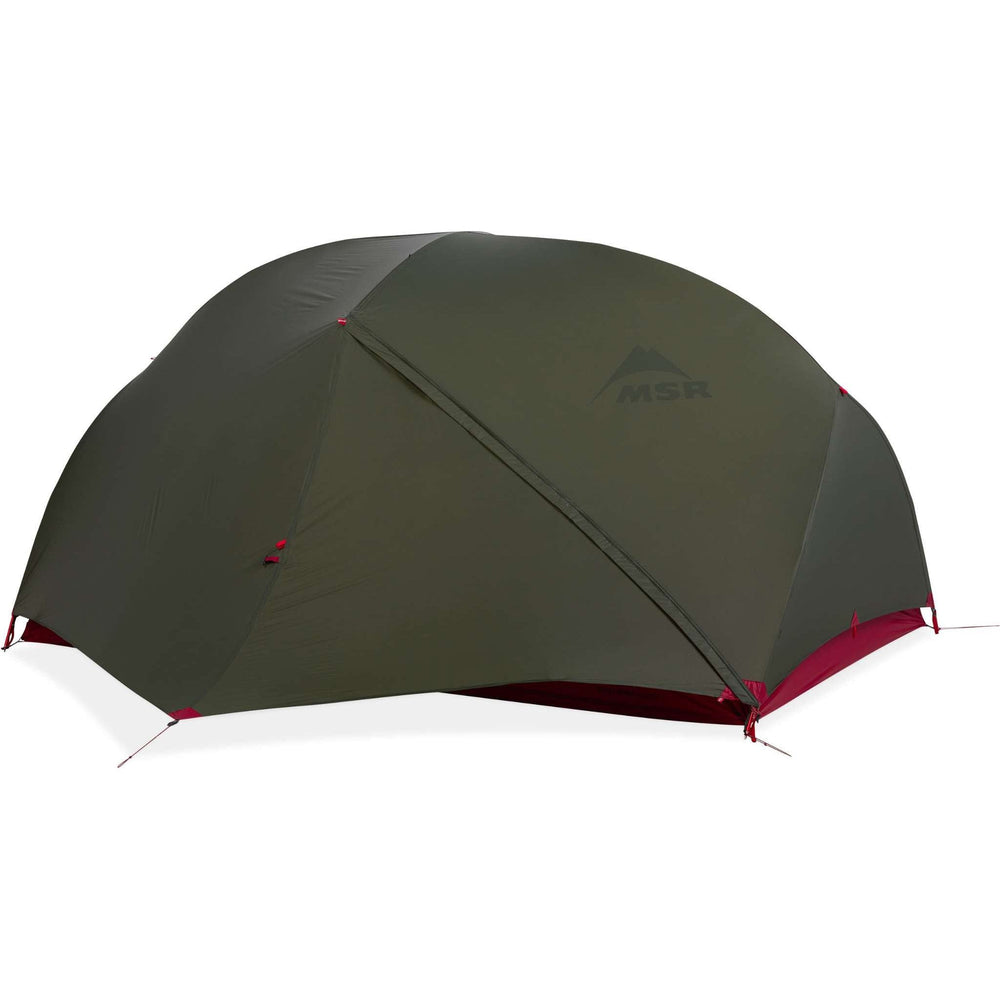
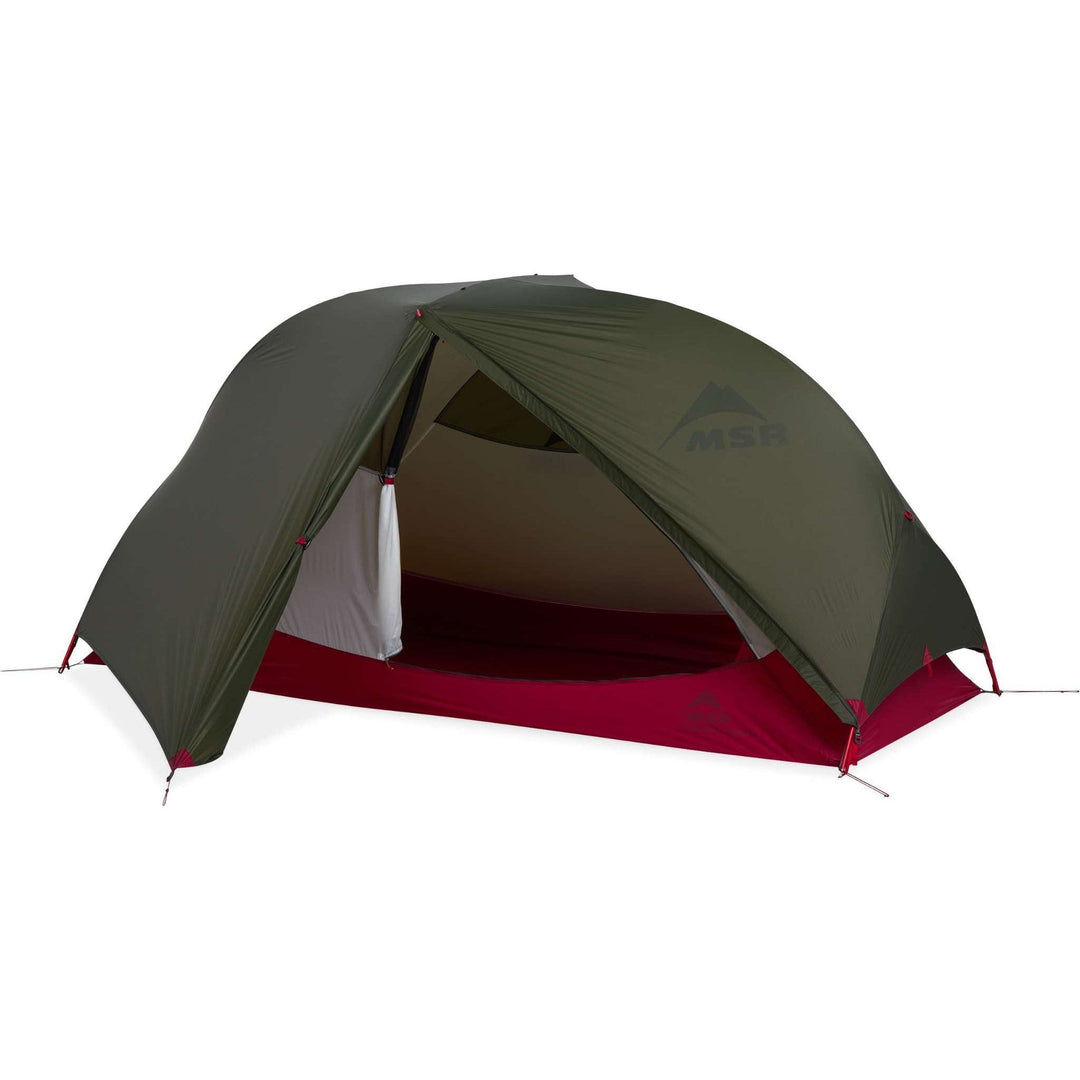
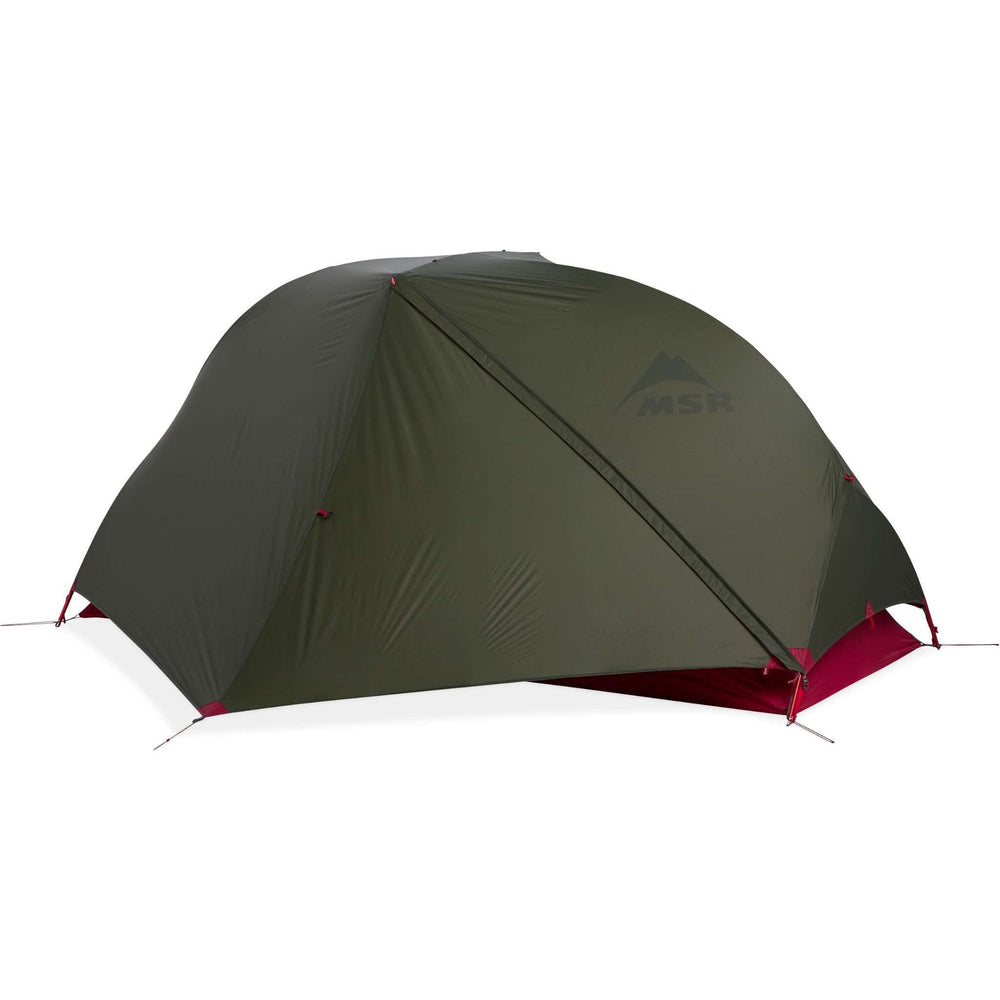
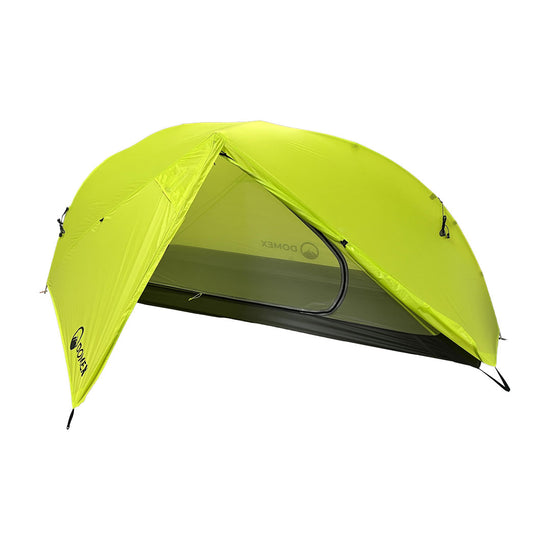
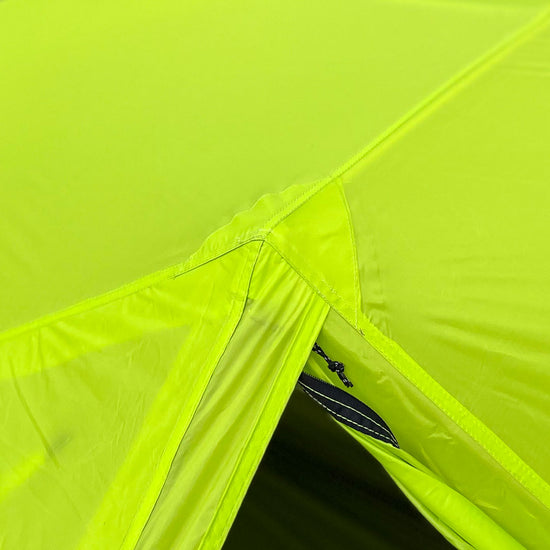
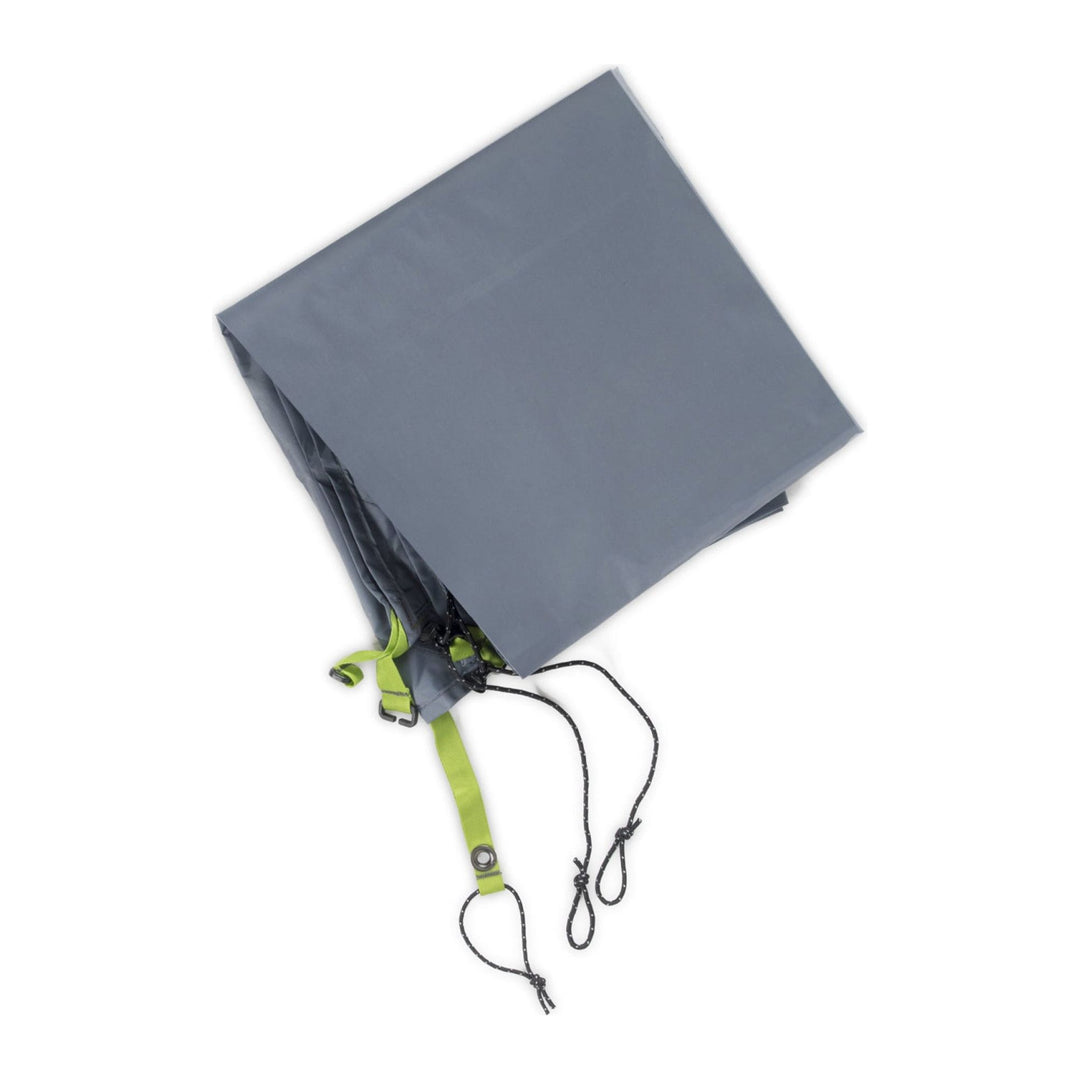
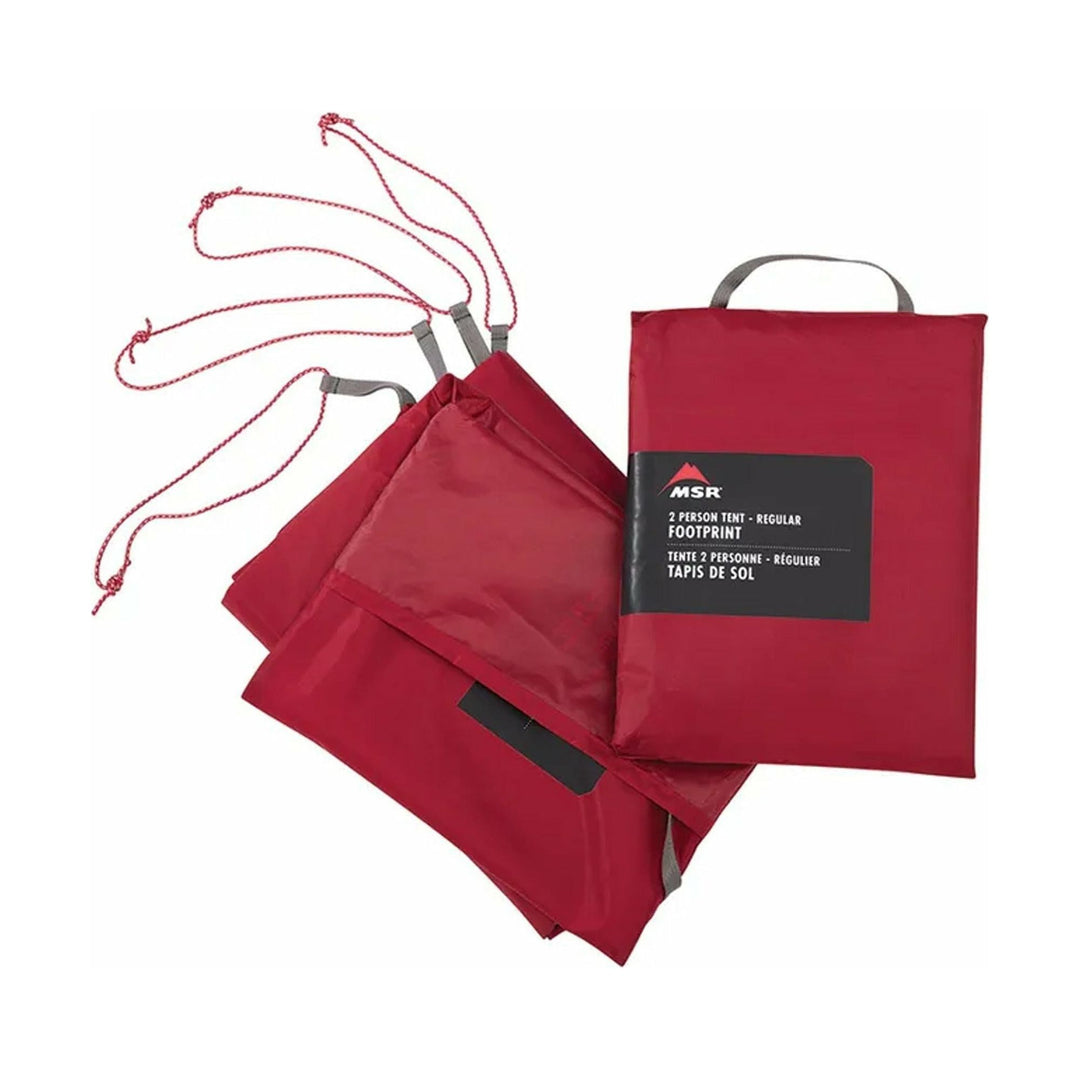
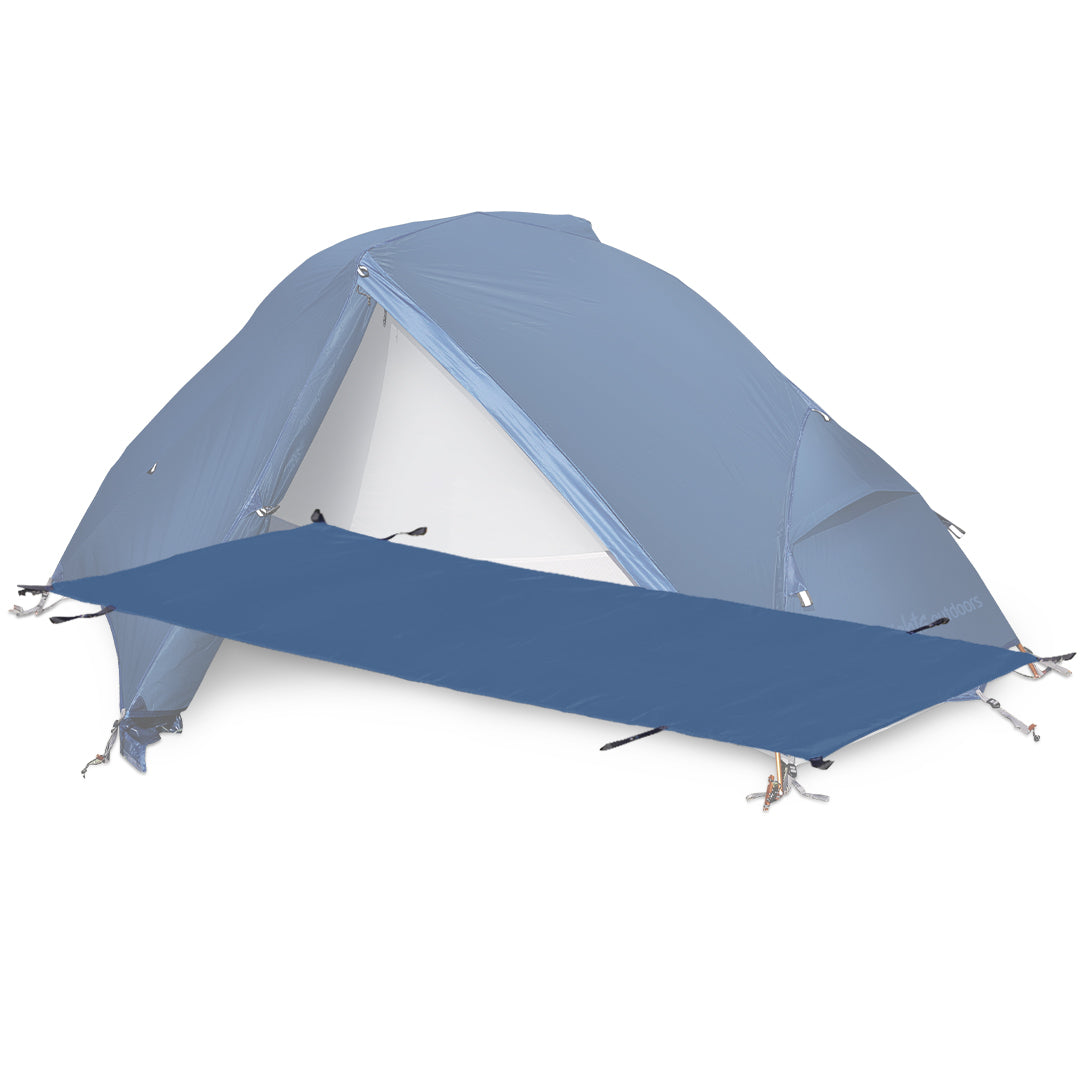
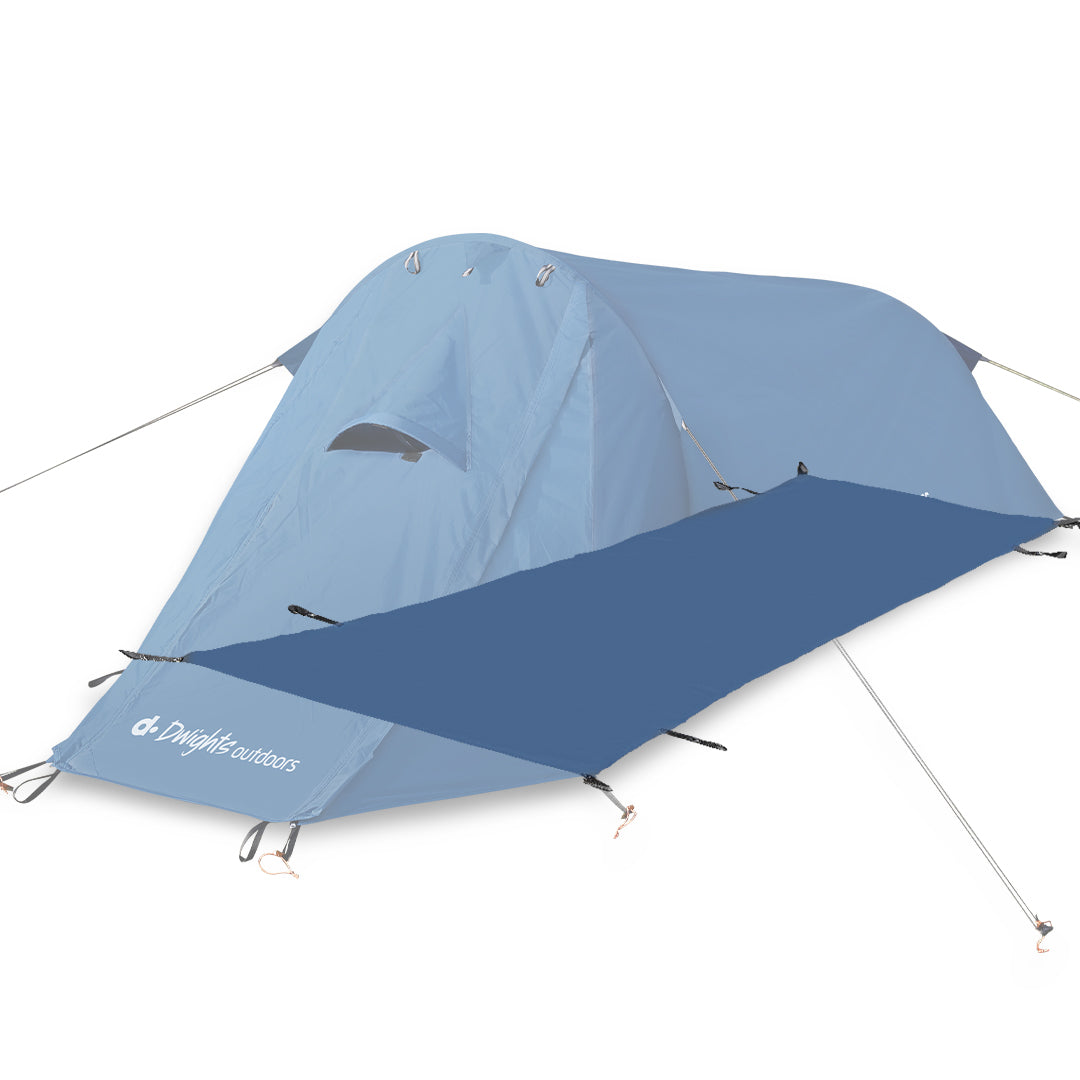
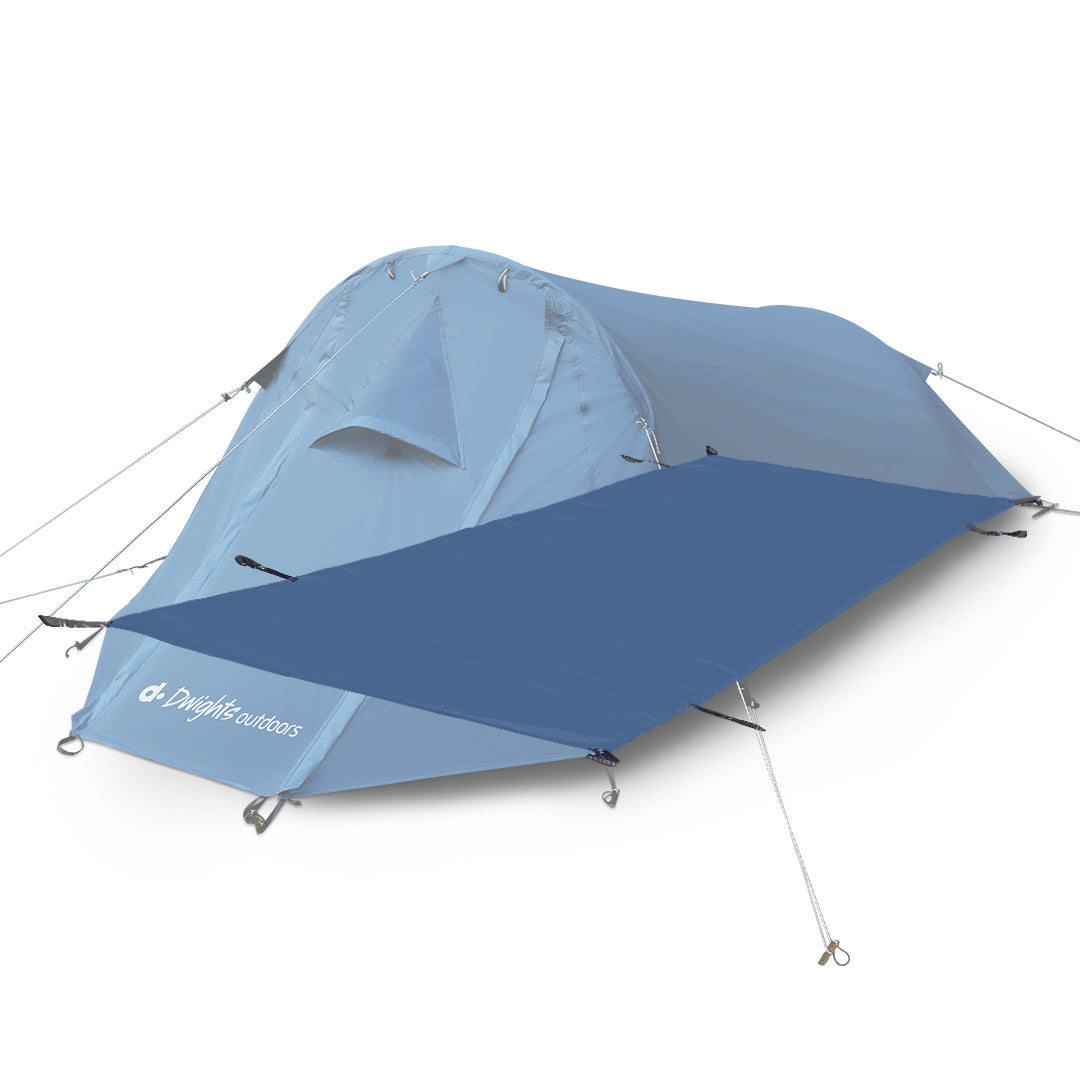
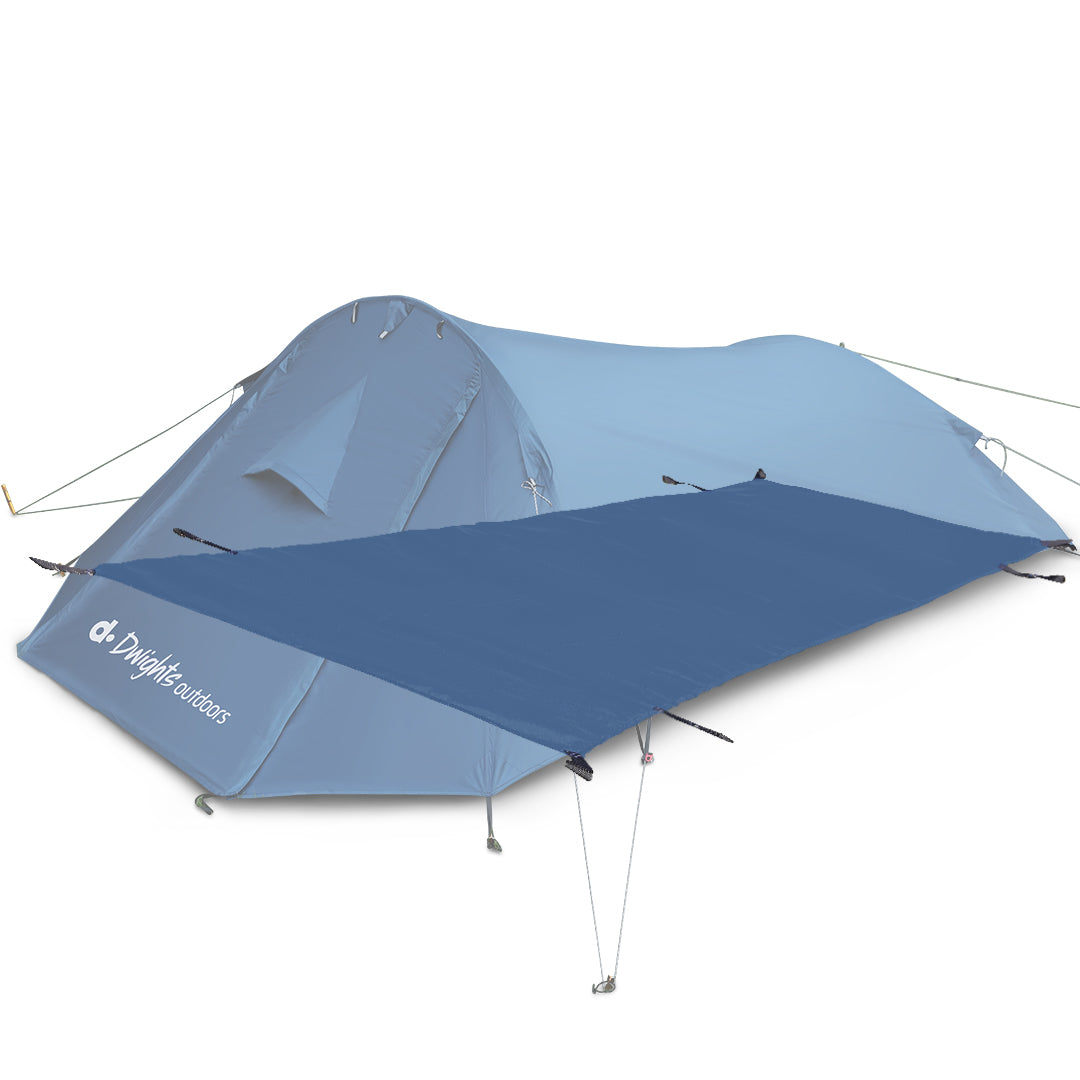
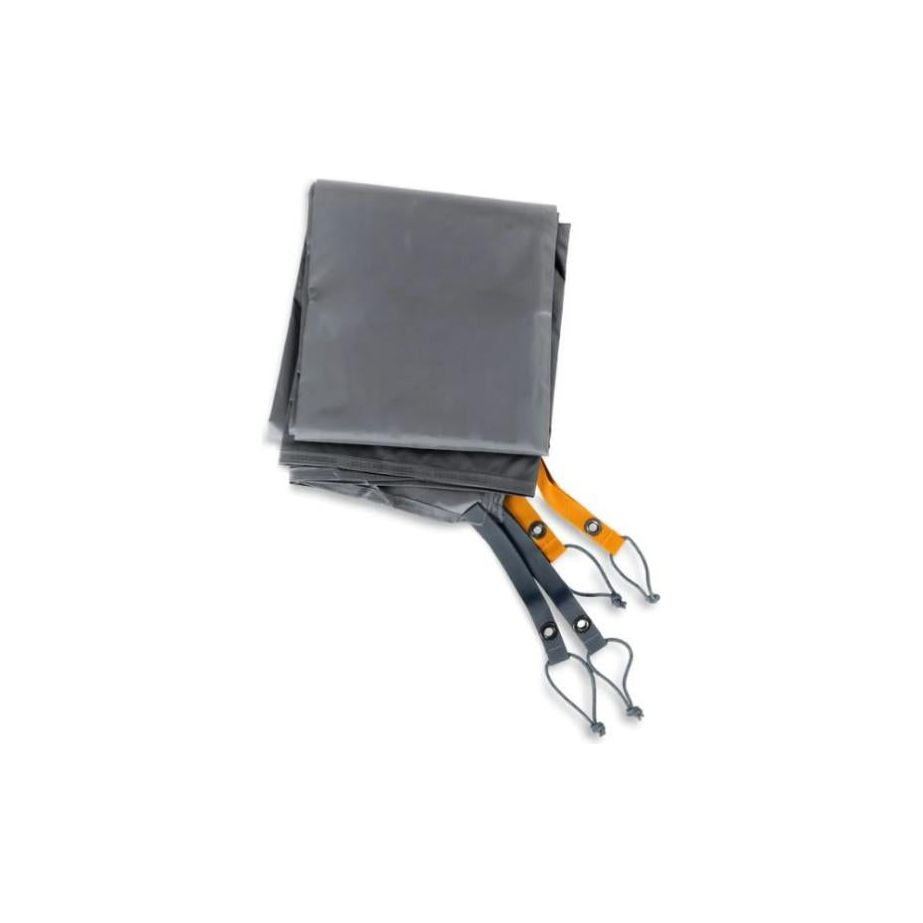
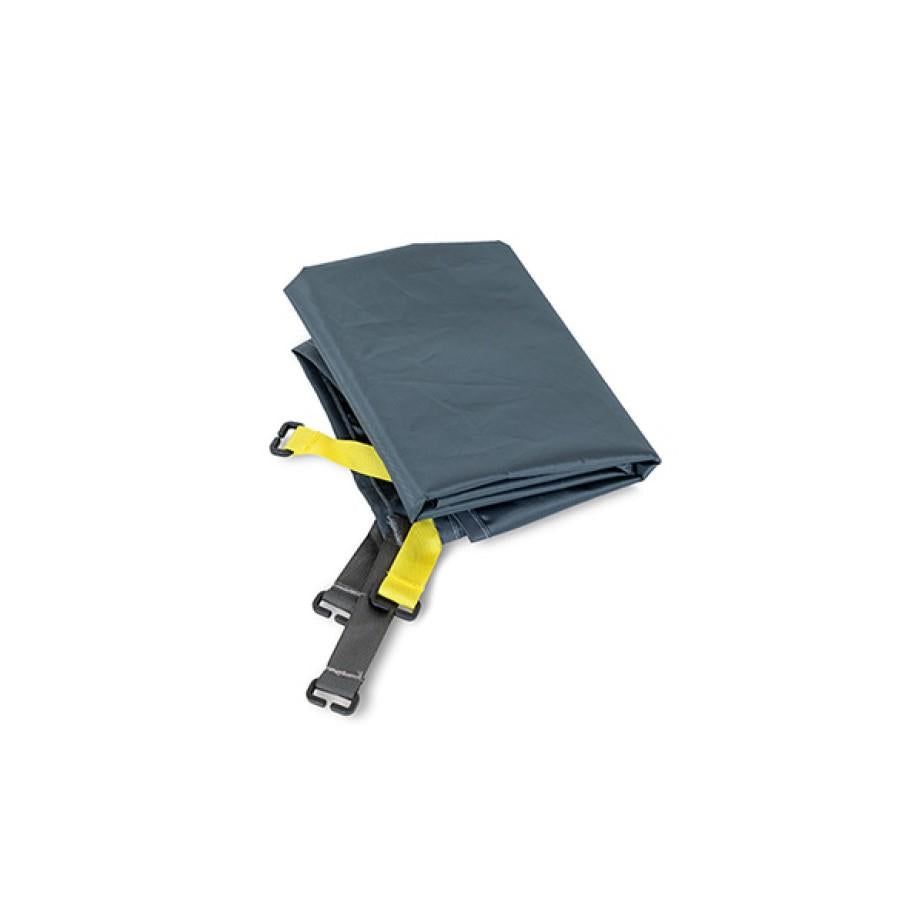


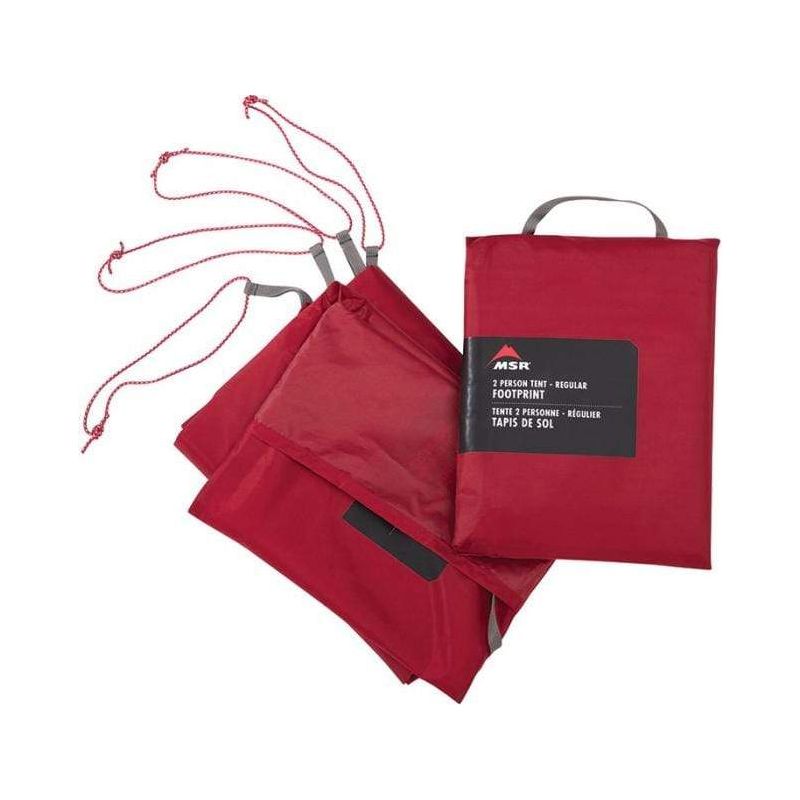
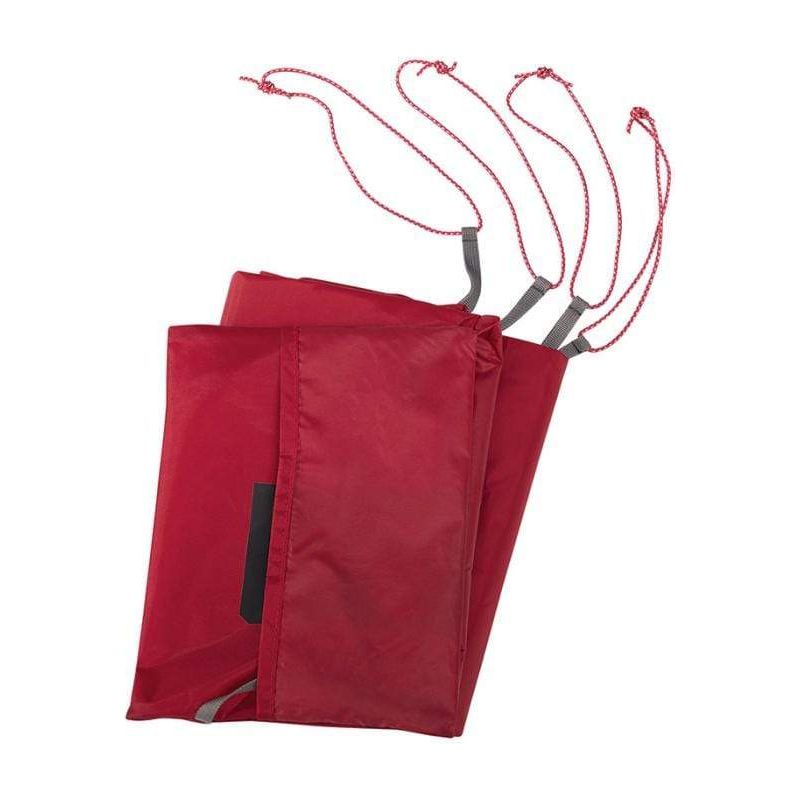


When you're heading into the backcountry under your own steam, your tent choice matters more than almost any other piece of gear. A tramping tent needs to be light enough to carry comfortably on a long day, tough enough to handle the wind and rain without warning, and compact enough to stuff into the bottom of a pack without dominating your loadout.
At Dwights we stock a curated range of hiking tents from NEMO, MSR, the Dwights Explore range, and Domex — options covering ultralight solo shelters through to robust 3-season 3-person tents. We're authorised dealers for NEMO and MSR, meaning genuine product backed by full manufacturer warranty. For general guidance, read our tent buying guide.
Tent Capacity: 1P, 2P, and 3P Options
Tent capacity ratings are optimistic — manufacturers measure "fits" based on sleeping mats laid side by side with no gear inside. In practice, a 2-person tent is comfortable for one person with gear, and workable (not roomy) for two. A 3-person tent becomes genuinely comfortable for two trampers. Consider:
- 1P tents: Lightest option. Suitable for minimalist solo trampers who sleep still and are disciplined about gear storage. Interior space is snug.
- 2P tents: The most popular category for NZ tramping. Works well for solo trampers who want space, or pairs who don't mind being cosy. Look for vestibule space for wet gear and boots.
- 3P tents: Comfortable for two, or a group of three on a budget. Weight penalty is real — consider whether the extra space justifies it for your trip.
Weight Categories: What's Light Enough?
- Ultralight (under 1.5 kg): Trail runners, fastpackers, and gram-counters. Often involves trade-offs in durability or weather resistance.
- Lightweight (1.5–2.2 kg): The sweet spot for most NZ trampers. Quality 3-season performance without excessive weight.
- Standard (2.2–3 kg): More robust construction, often better suited to exposed or alpine terrain. Slightly heavier but a good choice for high-wind conditions.
For Great Walks and most DOC routes, a lightweight 2P tent in the 1.5–2.2 kg range hits the right balance.
Ultralight & Lightweight Hiking Tents
Ultralight tents (under 1.5 kg) and lightweight hiking tents (1.5–2.2 kg) are the go-to choice for serious trampers and fastpackers who count every gram. At Dwights we stock a range of lightweight and ultralight tents suited to NZ and Australian backcountry — from double-wall 3-season options that balance weight and weather resistance to minimalist shelters for experienced users.
For multi-day Great Walks or alpine routes where every gram matters, a genuine ultralight tent makes a real difference across a 6-day trip. Key features to look for: single vs double wall construction, pole material (carbon vs aluminium), vestibule size, and minimum weight vs packaged weight.
- Solo ultralight: Target under 1.2 kg for a genuine ultralight setup
- 2-person lightweight: 1.5–2.0 kg is achievable with modern fabrics and pole systems
- 3-season vs 4-season: Most NZ and Australian tramping suits a well-built 3-season tent
Seasonality: 3-Season vs 4-Season Tents
Most NZ tramping is covered by 3-season tents — designed to handle rain, wind, and above-freezing temperatures. They're lighter and more ventilated than 4-season tents, which are built for sustained snow loads and winter alpine use. Unless your plans include technical winter routes above the snowline, a 3-season tent is the right choice. NZ 3-season tents need to be genuinely robust: a 3,000mm+ flysheet HH rating and seam-sealed construction are the minimum standard, not a bonus.
Vestibule and Storage
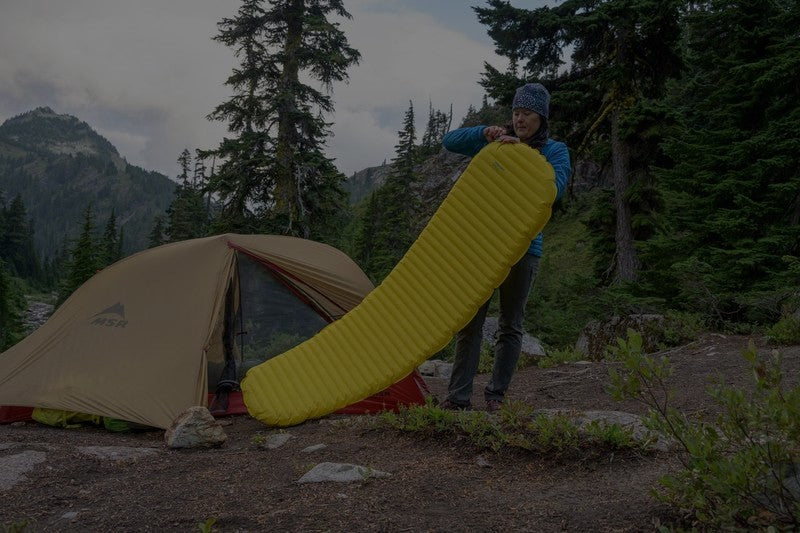
In NZ rain, a vestibule is less of a luxury and more of a necessity. A good vestibule lets you store wet boots, a pack, and damp outer layers outside the inner tent without bringing moisture inside your sleeping area. Look for at least one vestibule on any tramping tent; two vestibules is ideal for couples sharing a tent. Vestibule depth matters — deep enough to sit and remove boots without getting rained on is the practical benchmark.
Tent Brands at Dwights
We stock hiking tents from four brands across different price points and performance tiers:
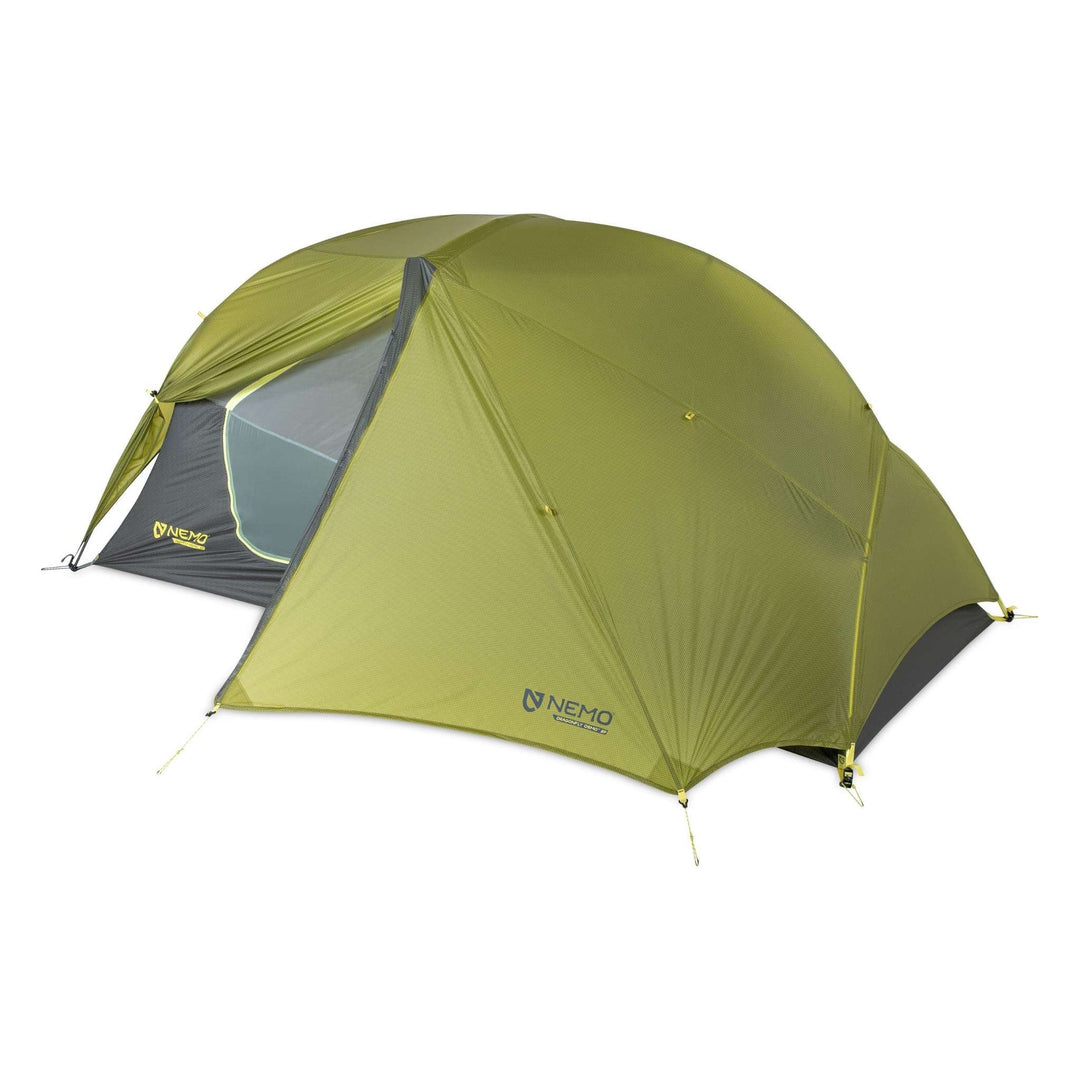
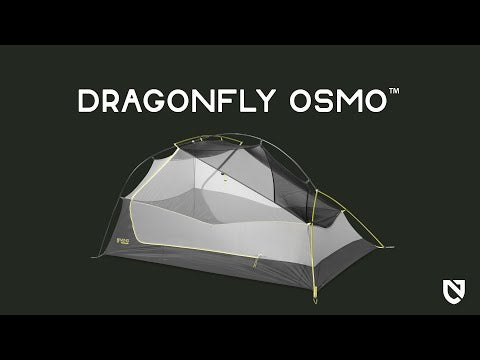
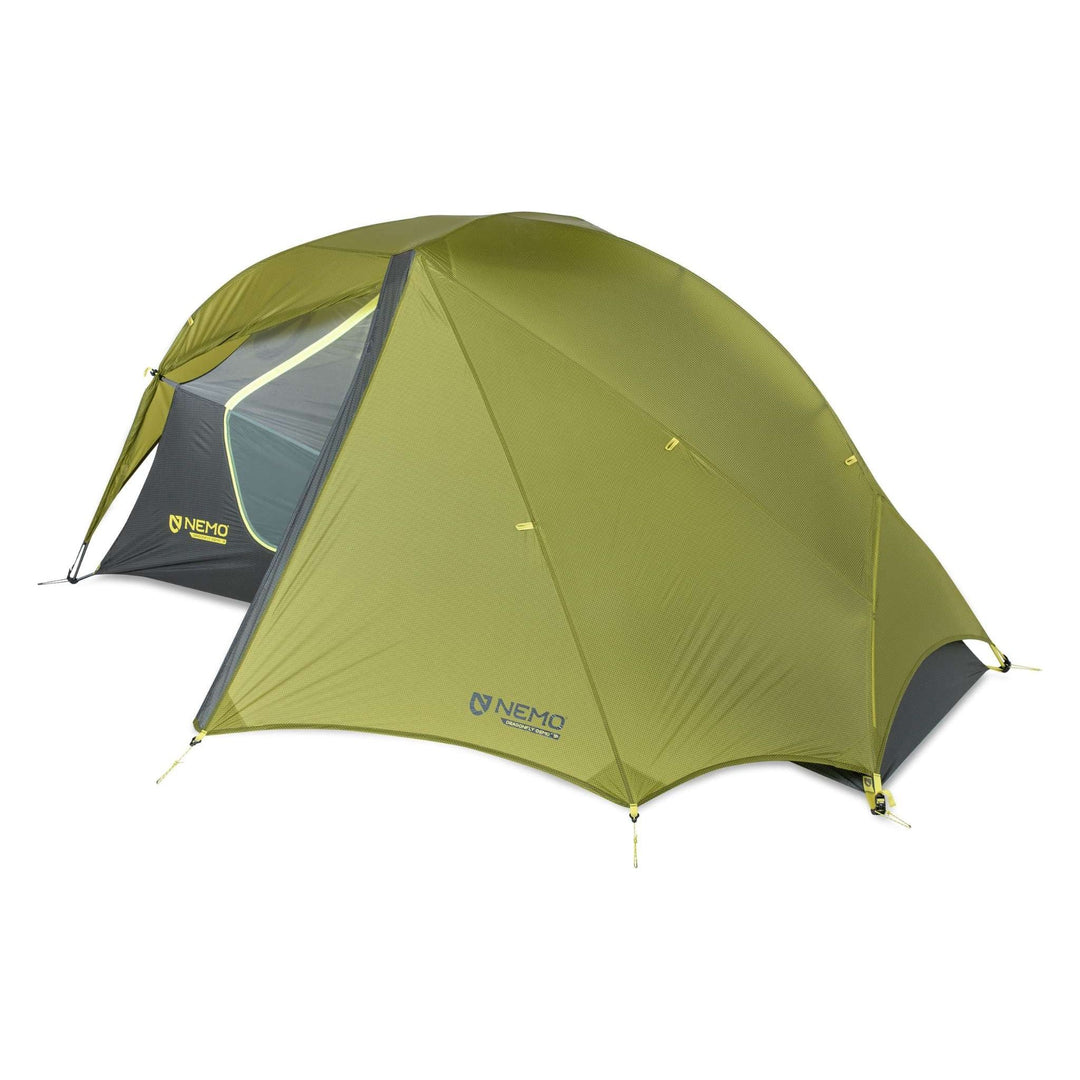
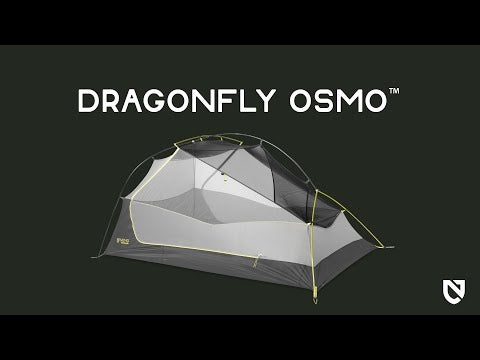
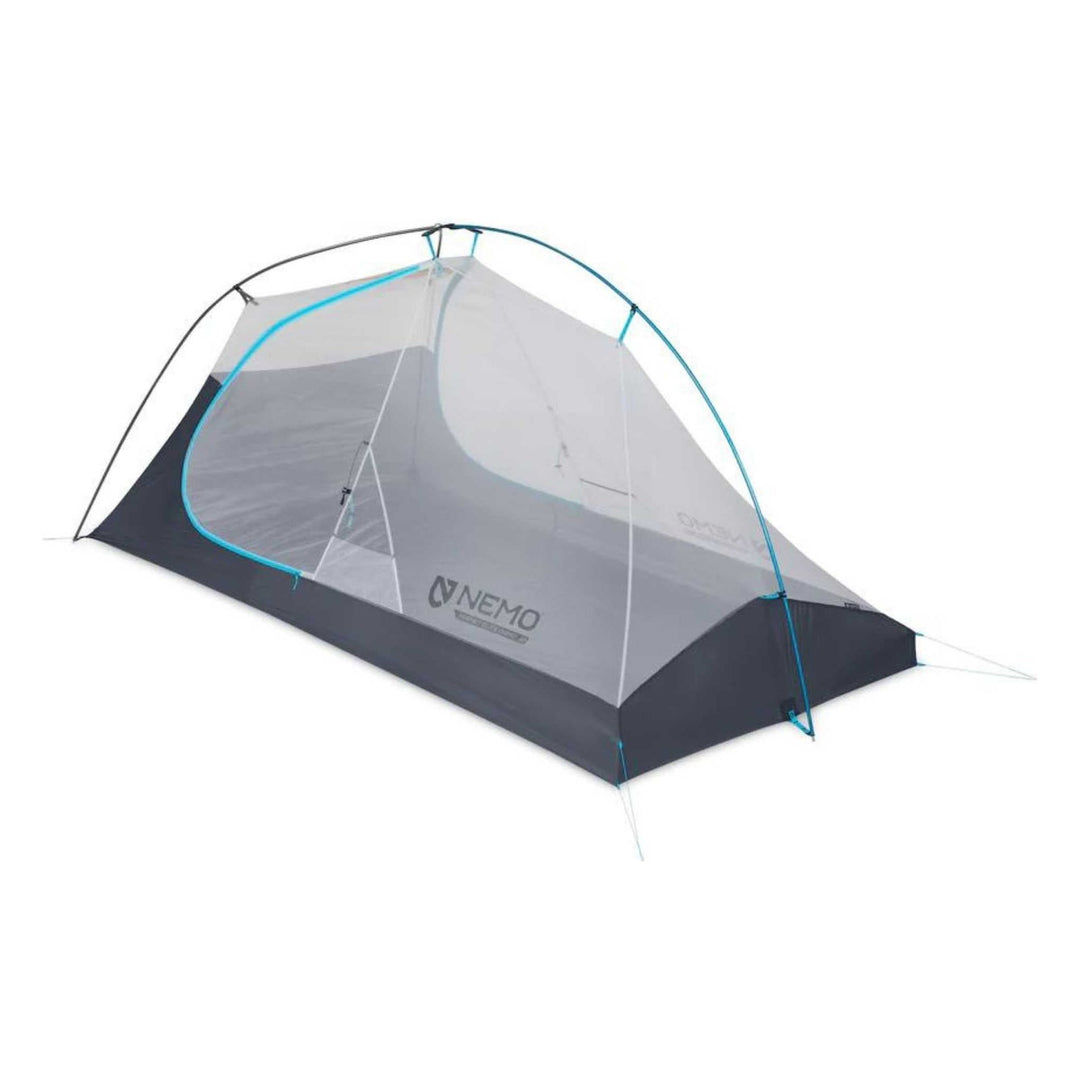
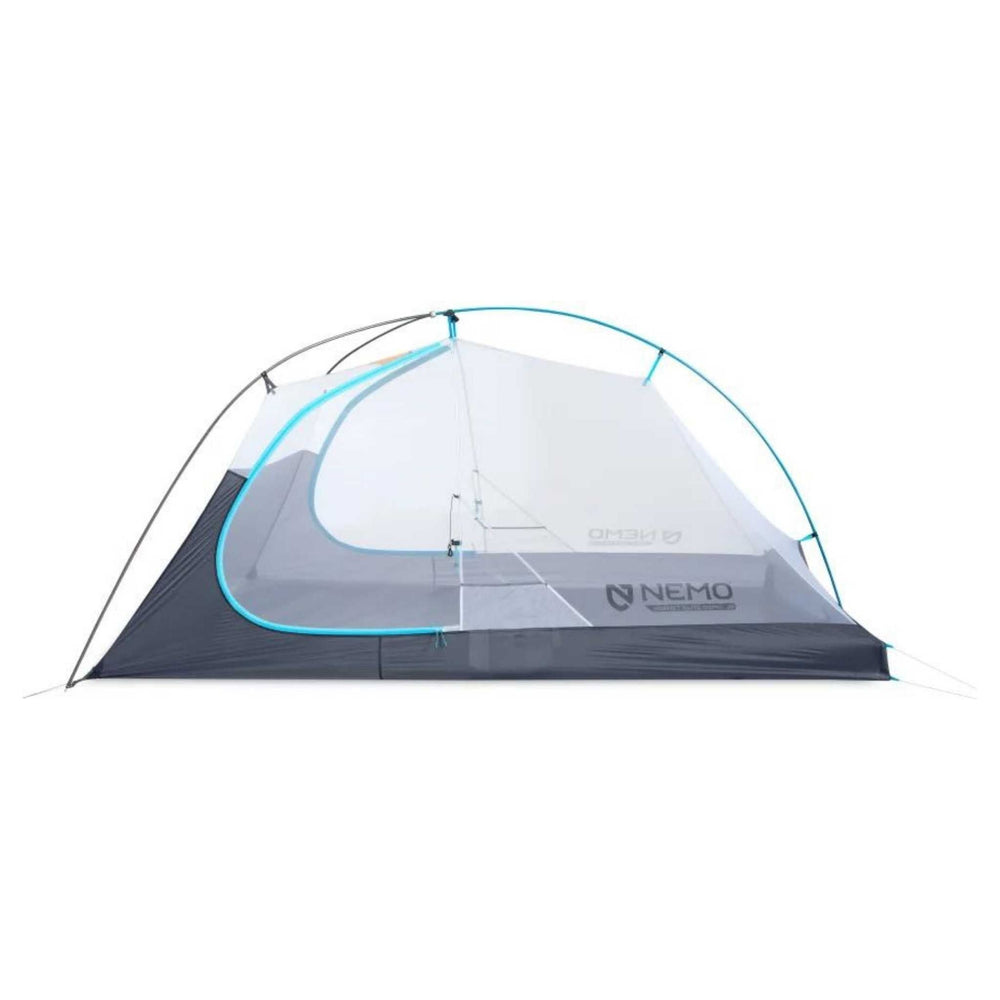
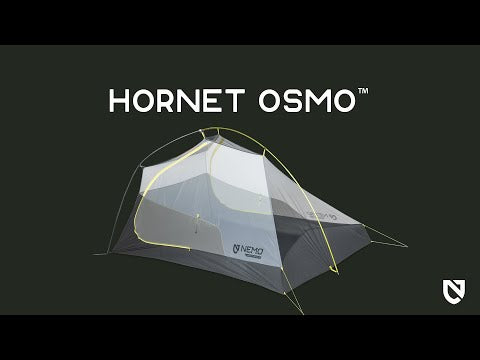
- NEMO Equipment: Premium ultralight tents built around innovative design. The Nemo Hornet OSMO 2P is one of the lightest double-wall 2-person tents available. The Nemo Dragonfly OSMO 2P offers more liveable space at a modest weight penalty.
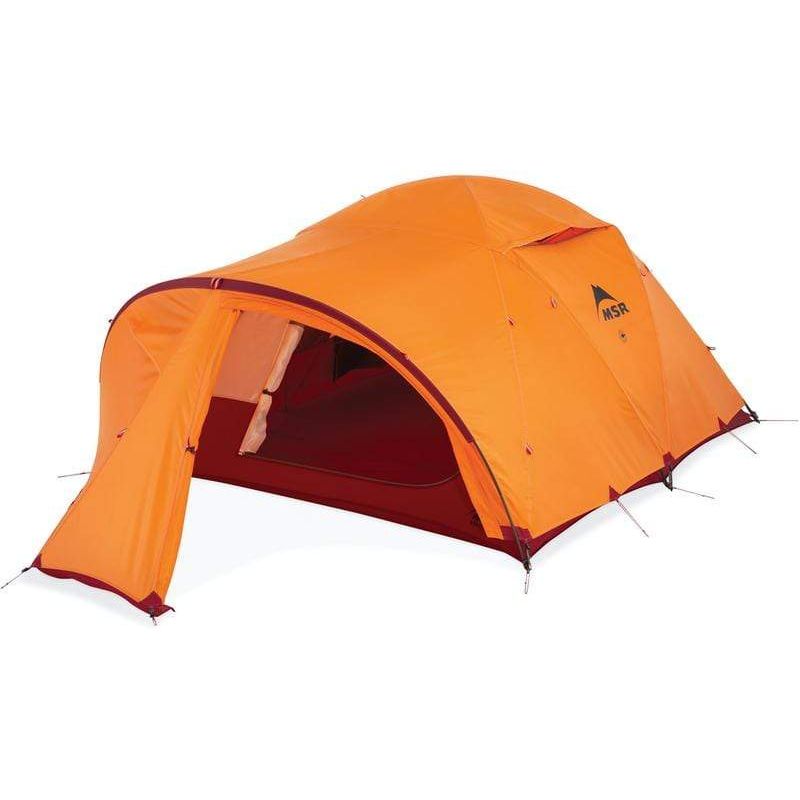
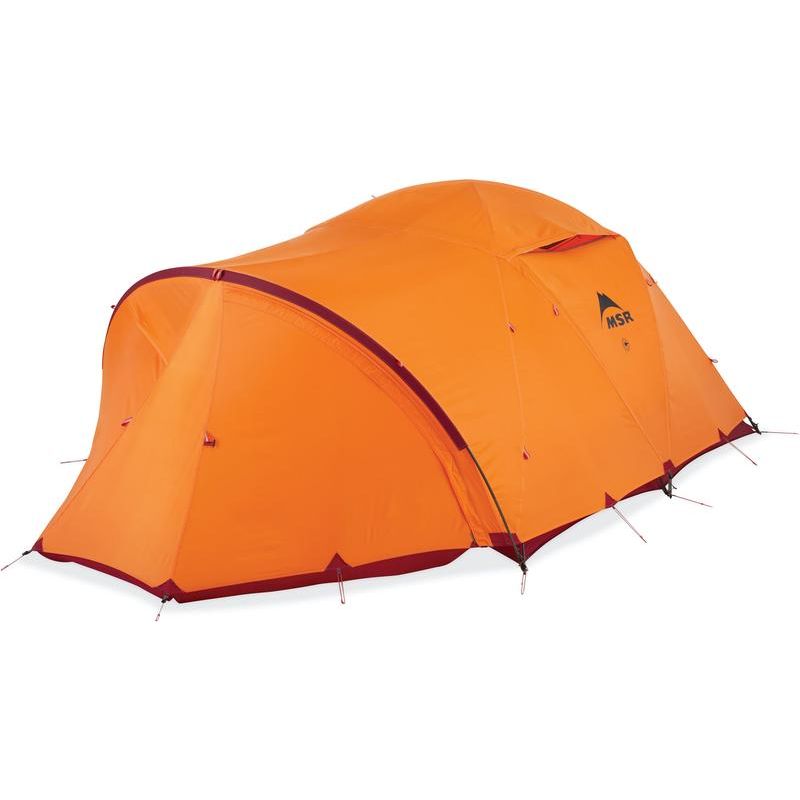
- MSR: Trusted for reliability and build quality. The MSR Hubba Hubba LT 2 is a benchmark lightweight 2-person tent. The MSR Freelite range offers ultralight construction for serious weight savers. MSR's 4-season Access and Remote tents cover alpine and winter use.
- Dwights Explore: Our house range of hiking tents designed for solid 3-season performance at an accessible price point. The Explore 2 Ultralight is a popular choice for trampers wanting reliable shelter without the premium price tag.
- Domex: Budget-friendly hiking tents for occasional trampers and those new to the activity. A practical entry point without compromising on basic weather protection.
Pair your tent with a sleeping bag, sleeping mat, and a hiking pack sized for your trip length.
Frequently Asked Questions
What makes a tramping tent different from a camping tent?
Tramping tents are specifically engineered to be carried on your back, which means weight, pack size, and pitch speed are the primary design priorities. A typical tramping tent weighs between 1 and 2.5 kg and packs into a compact stuff sack, compared to car camping tents that can weigh 5 kg or more with bulky poles and fabrics. Tramping tents also use lightweight materials — silnylon, DCF, or ripstop nylon — and are designed to handle exposed, alpine, and rapidly changing NZ weather.
How heavy should a hiking tent be for NZ tramping?
As a general guide: under 1.5 kg is ultralight and suited to minimalist trampers or trail runners; 1.5–2.2 kg is the sweet spot for most NZ trampers balancing weight against durability and weather protection; 2.2–3 kg is acceptable for occasional trampers or those prioritising sturdiness on exposed terrain. For a Great Walk or multi-day backcountry trip, aim to keep your total pack weight under 18–20 kg — your tent is one of the heaviest items, so every 100g saved matters over a full day on track.
Do I need a 3-season or 4-season tent for NZ?
For the majority of NZ tramping — including all ten Great Walks and most DOC hut routes — a quality 3-season tent is sufficient. NZ 3-season tents must handle heavy rain, strong wind, and occasional frost, so they're more robust than equivalents in milder climates. A 4-season tent adds structural reinforcement and snow-shedding geometry at the cost of extra weight — relevant if you're doing routes above the snowline in winter. For summer and shoulder-season tramping, a well-constructed 3-season tent is the right choice.
What size tent do I need for a solo tramp vs a pair?
A 1-person (1P) tent is the lightest option for solo trampers, but interior space is tight. Many solo trampers prefer a 2-person (2P) tent for the extra space to spread out gear and avoid feeling confined on rest days or in bad weather. For two trampers, a 2P tent is the standard; a 3P tent offers noticeably more comfort but at a weight and cost premium. In NZ rain, a decent vestibule for wet boots and packs is near-essential.
What does double-wall vs single-wall mean for hiking tents?
A double-wall tent has two layers: an inner tent (breathable, non-waterproof fabric) and a separate rainfly (waterproof outer) with an air gap between them. This gap reduces condensation buildup inside the tent — a significant advantage in NZ's humid, high-rainfall environment. A single-wall tent uses one layer of waterproof-breathable fabric — lighter and faster to pitch, but more prone to condensation dripping onto your sleeping gear. For NZ conditions, double-wall construction is generally recommended, especially for multi-night trips.
Can I use a hiking tent on NZ Great Walk campsites?
Yes — all NZ Great Walk campsites are designed for tent camping and accommodate standard tramping tent footprints. DOC Great Walk campsites have designated tent platforms or grassed areas, cooking shelters, and toilet facilities. Note that you need a valid Great Walk ticket or pass to stay at these campsites. Freestanding tents are easier to pitch on the hard or compacted surfaces sometimes found at popular campsites. Check DOC's website before your trip for any campsite-specific rules.
What is the minimum waterproofing rating I need for a NZ hiking tent?
For NZ conditions, look for a flysheet with a hydrostatic head (HH) rating of at least 3,000mm — though 4,000mm or higher is preferable given the intensity of NZ rain events. The floor should be rated even higher, ideally 5,000–10,000mm, as it takes sustained pressure from you lying on it. NZ weather can be extreme: Fiordland averages over 7 metres of rain per year, and even fine-day trips can turn wet quickly. Seam-sealed construction and a robust HH rating are essential.