



How to Choose Waterproof Hiking Boots
Waterproof is one part of the boot system
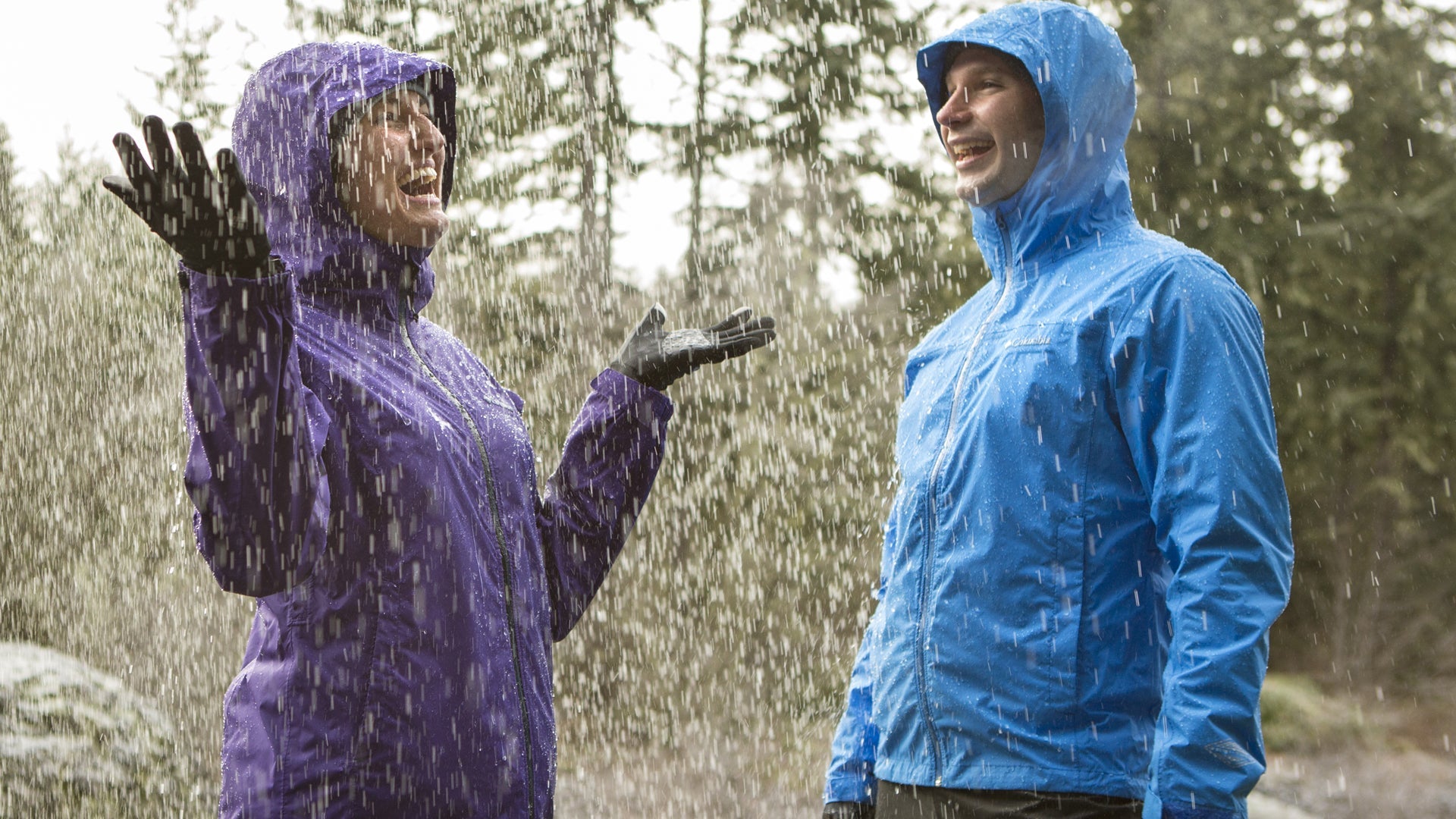
A waterproof lining can help in wet vegetation, rain and shallow splashes, but performance also depends on seams, upper construction, tongue, condition, water height and care. Water entering over the collar bypasses the lining.
Fit still comes first
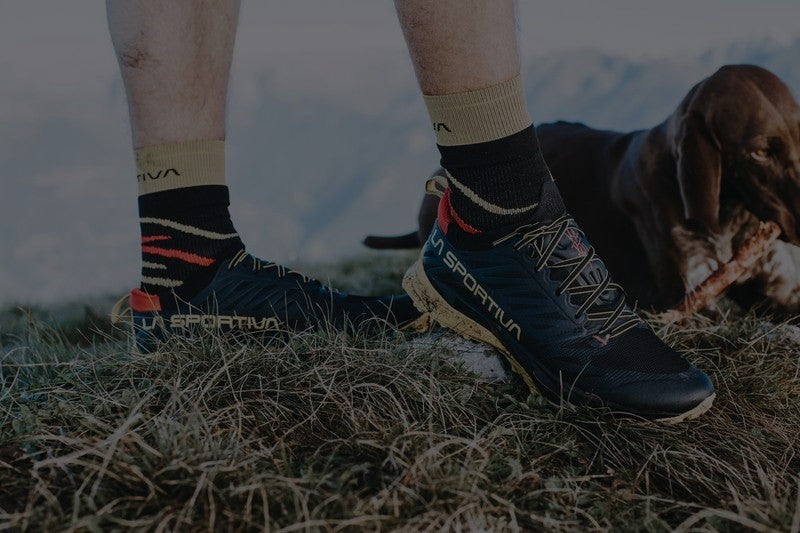
Check heel hold, toe clearance, forefoot width and pressure with the exact socks and footbeds you will use. A technically capable boot that does not fit will not become suitable because it has a waterproof label.
Match the route
- Wet tracks and mud may favour coverage, grip and a supportive construction.
- Warm conditions and repeated deep crossings can increase the importance of drying.
- Pack load and uneven terrain affect the required structure.
- Gaiters can reduce debris and water entry but do not make the complete system watertight.
Read the exact evidence
Confirm the lining, upper, sole, care instructions and any limits stated for the model. Do not infer a universal duration or depth guarantee from a category label.
Browse current hiking boots and complete a fit check. Clean and care for the boot according to its exact materials.
Final choice
Select the boot that fits and suits the route, then manage moisture with socks, gaiters where appropriate, dry camp layers and realistic expectations.